


 BOJ Set for 25-Basis-Point Rate Hike as Yen Weakness Fuels Inflation
  Carney Condemns Belleville Synagogue Shooting That Wounded Police Officer
  Marco Rubio to Meet Russia’s Lavrov in New York
  CNN, MS NOW and Politico Sue Trump Over White House Media Ban
  Yen Sinks as BOJ Rate Hike Fails to Impress Markets
  US-China Talks Target AI, Tariffs Ahead of Trump-Xi Summit
  Trump to Press Xi on Release of US Nuclear Expert Held in China
  Japanese Yen Retreats as Dollar Rises Ahead of Fed, BOJ Rate Decisions
  US, Japan and South Korea Back Taiwan Ahead of Trump-Xi Summit
  Zelenskiy Warns Russia Preparing Major Attack on Ukraine
  Lula Meets Mamdani in New York as Elections Approach
  UK, Mauritius Seek Diego Garcia Base Deal
  RBNZ Raises Interest Rate to 2.75%, Kiwi Dollar Slides
  Russian Strikes Kill Eight Across Ukraine as Energy Sites Hit
  Yen Extends Gains as BOJ Rate Hike Bets Rise


 Add as a preferred source on Google
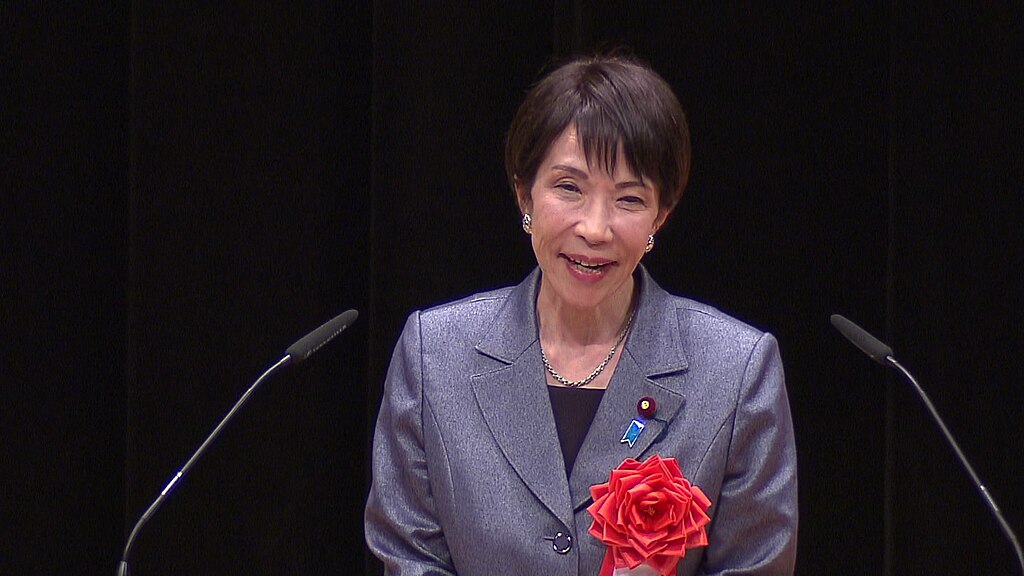
Japanese Prime Minister Sanae Takaichi unveiled her first economic policy blueprint on Tuesday, pledging to increase investment in strategic growth sectors while reaffirming cooperation with the Bank of Japan (BOJ). However, the plan has done little to ease investor concerns over fiscal spending and potential political influence on monetary policy, with Japanese government bond yields remaining near multi-decade highs.
Markets have closely watched Takaichi’s economic agenda amid fears that her administration could encourage higher government spending and pressure the BOJ to delay further interest rate hikes. Those concerns intensified as Japan’s long-term borrowing costs climbed sharply since June, prompting officials to revise the blueprint several times before its approval.
An earlier draft included language supporting monetary policy that would "bolster private demand," but the phrase was removed after bond yields surged. A later version also unsettled investors by appearing to link BOJ policy directly to the government’s growth strategy. The final document clarified that the central bank independently sets monetary policy to achieve stable inflation, while adding a footnote referencing Japan’s legal protections for BOJ independence.
Although the blueprint still calls for coordination between the government and the BOJ, it acknowledges the central bank’s autonomy under Japanese law. The document states that appropriate monetary policy remains essential for maintaining stable price growth and supporting a stronger economy.
Takaichi, a long-time supporter of former Prime Minister Shinzo Abe’s "Abenomics" strategy of aggressive fiscal spending and accommodative monetary policy, pledged to reverse years of underinvestment by encouraging public and private capital into strategic industries. The government expects combined investment to exceed 370 trillion yen (about $2.28 trillion) by fiscal 2040.
The blueprint also shifts away from previous administrations’ emphasis on restoring fiscal discipline, instead prioritizing economic expansion alongside long-term fiscal sustainability.
Since taking office in October, Takaichi has consistently promoted investment-led growth while expressing caution over the BOJ’s rate hikes. Meanwhile, the BOJ, which ended its massive stimulus program in 2024, has continued gradually tightening policy, raising its benchmark rate to 1% in June while signaling that further increases remain possible if economic conditions support them.







