


 South Korea, US Discuss Warship Building Cooperation
  US Stock Futures Fall as Treasury Yields Surge Ahead of Trump-Xi Summit
  European Stocks Slip as Iran Tensions Offset Strong Eurozone Data
  US Dollar Hits Two-Month High as Fed Rate Hike Bets Rise
  Australia Unemployment Hits Five-Year High Despite Strong Jobs Growth
  China’s ‘Lipstick King’ Says AI Won’t Replace Livestream Hosts
  Soybean Futures Slip as Traders Await Trump-Xi Trade Signals
  U.S. Dollar Hits Two-Month High as Oil, Treasury Yields Surge
  US, China Extend Trade Truce to Jan. 10 Ahead of Trump-Xi Summit
  Wall Street Ends Flat as Oil, Treasury Yields and Fed Jitters Rattle Markets
  Asian Currencies Mixed as Dollar Holds Near Two-Month High
  Oil Prices Surge as U.S.-Iran Diplomacy Hopes Fade
  US 10-Year Treasury Yield at 6% Emerges as New Market Risk Threshold
  Fed Unveils Stablecoin Rules Under GENIUS Act
  Russian Envoy Dmitriev Heads to US for Ukraine Talks
  Gold Prices Fall as Treasury Yields Rise on Fed Rate Hike Bets


 Add as a preferred source on Google
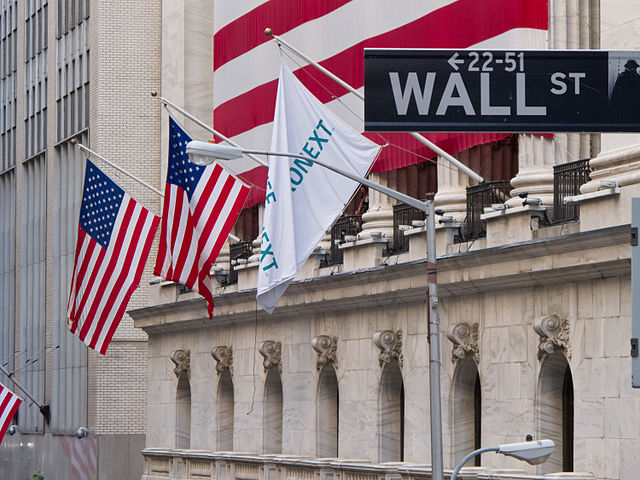
U.S. stock index futures traded little changed late Tuesday after Wall Street rallied on the back of a strong rebound in technology shares, while investors shifted their attention to upcoming second-quarter earnings from Tesla and Alphabet. Ongoing U.S.-Iran military tensions also remained a key driver of market sentiment, supporting oil prices and raising concerns about inflation.
As of 20:35 ET (00:35 GMT), S&P 500 Futures slipped 0.06% to 7,541.25, Nasdaq 100 Futures edged down 0.1% to 29,282.25, and Dow Jones Futures declined 0.06% to 52,409.0.
Wall Street ended Tuesday's session higher, led by a sharp recovery in semiconductor stocks after last week's losses. The Philadelphia Semiconductor Index surged 5.2%, reflecting renewed optimism across the chip sector following strong gains in Asian markets.
The Nasdaq Composite climbed 1.3%, while the S&P 500 advanced 0.9% and the Dow Jones Industrial Average gained 0.7%.
Investor focus is now firmly on earnings from Alphabet and Tesla, two of the biggest companies reporting this week. Alphabet's results will be closely analyzed for updates on its artificial intelligence investments, as the Google parent remains one of the largest AI infrastructure spenders among major technology companies.
Tesla's earnings are expected to provide fresh insight into its autonomous driving technology, robotics initiatives, and vehicle delivery trends after signs of improving sales following a prolonged slowdown.
Beyond the tech giants, investors are also awaiting quarterly results from Philip Morris, GE Vernova, and AT&T on Wednesday. Chipmakers Texas Instruments and Intel are scheduled to report later this week, with markets looking for additional signals on AI-driven semiconductor demand.
Meanwhile, geopolitical risks continued to weigh on investor sentiment as the United States and Iran exchanged military strikes for an eleventh consecutive day. President Donald Trump warned of potential attacks on Iran's nuclear infrastructure after three U.S. service members were killed over the weekend, while Tehran threatened retaliation.
The escalating conflict pushed oil prices to their highest levels in more than five weeks, fueling concerns that higher energy costs could complicate the outlook for inflation and interest rates. Investors also continued to monitor diplomatic efforts by regional mediators, although meaningful progress toward de-escalation remained limited.







