


 China Tightens Fentanyl Rules Ahead of Trump-Xi Summit
  Macron, Trump Discuss Ukraine-Russia Energy Strike Moratorium
  Marco Rubio to Meet Russia’s Lavrov in New York
  Trump Says ‘Freedom’ Is Coming to Cuba
  Iran Vows ‘Crushing’ Response as US Talks Continue
  Kremlin Says No Grounds Yet for Ukraine Peace Talks
  Trump Meets Venezuela’s Delcy Rodriguez at UN Assembly
  Russian Strikes Kill Eight Across Ukraine as Energy Sites Hit
  South Korea, US Discuss Warship Building Cooperation
  US Officials Split Over Response to Israeli West Bank Settlements
  Zelenskiy Warns Russia Preparing Major Attack on Ukraine
  US, China Extend Trade Truce to Jan. 10 Ahead of Trump-Xi Summit
  Burnham Eyes UK Leadership Role in AI Ahead of Trump Meeting
  Europe Warns Russia Is Escalating Hybrid Attacks Across NATO
  Canada Unveils Bill to Fast-Track Major Resource Projects
  Ghana Says Western Support Growing for Slave Trade Reparations
  Trump to Press Xi on Release of US Nuclear Expert Held in China


 Add as a preferred source on Google
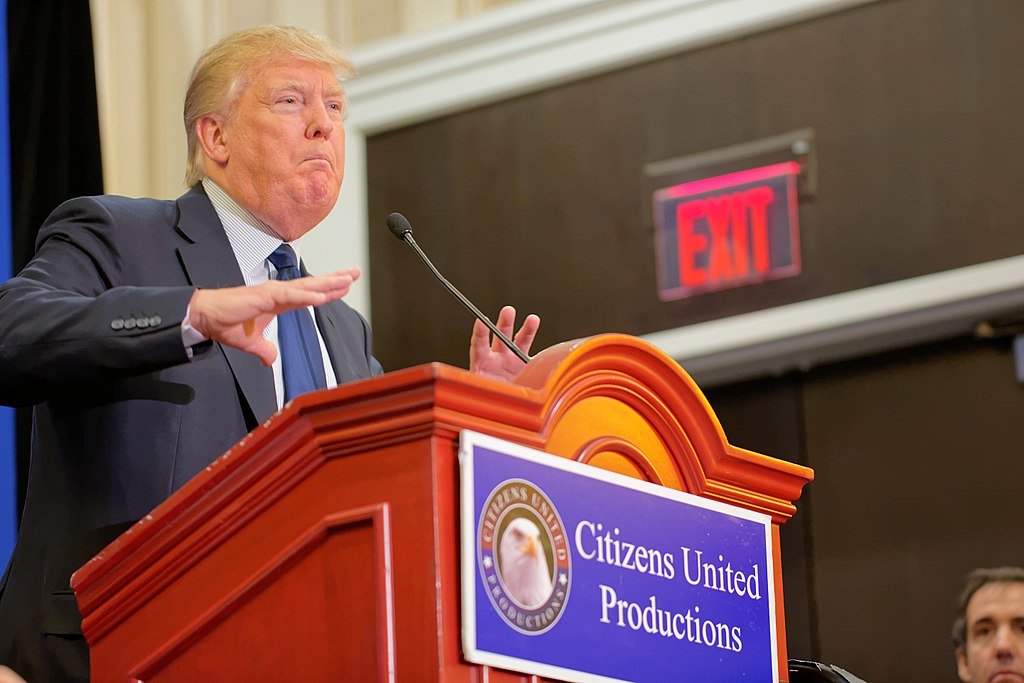
President-elect Donald Trump's proposed trade policies for 2025 are poised to significantly impact global markets, with aggressive tariffs and protectionist measures at the forefront of his agenda. These strategies have sparked widespread debate over their potential winners and losers.
Aggressive Tariff Measures
Central to Trump's "America First" agenda is the imposition of substantial tariffs on imports from key trading partners, including China, Mexico, and Canada. The administration aims to reduce trade deficits and revitalize domestic manufacturing through these measures. However, such strategies have raised concerns about potential retaliatory actions and disruptions to global supply chains.
Impact on Global Markets
The proposed tariffs are expected to introduce volatility in global markets, with potential increases in inflationary pressures. Analysts predict that these policies could lead to a deceleration in global economic growth, as uncertainties surrounding U.S. trade policies may constrain major central banks from easing monetary policies.
Reactions from Trade Partners
Officials from Mexico, Canada, and China have expressed concerns that the U.S. tariffs would harm all involved economies, potentially causing inflation to spike and damaging job markets. These sentiments underscore the potential for escalating trade tensions and the need for diplomatic negotiations to mitigate adverse effects.
Market Outlook
Despite the anticipated challenges, some investors believe that Trump's aggressive trade rhetoric serves primarily as a negotiation tactic. Historical patterns suggest that while tariff threats may result in temporary volatility, overall stock returns have remained robust. However, the scale of the proposed tariffs for 2025 could have more significant consequences, potentially increasing costs for U.S. consumers and businesses.
Netizens React
Social media platforms have been abuzz with reactions to Trump's trade policies:
- @GlobalTrader: "Trump's tariffs could disrupt global markets. Brace for impact!"
- @EconAnalyst: "Protectionism may backfire, leading to higher consumer prices."
- @MarketWatcher: "Investors should prepare for increased volatility amid trade tensions."
- @PolicyCritic: "Diplomatic solutions are crucial to avoid a full-blown trade war."
- @TradeExpert: "Global supply chains face significant challenges under new U.S. tariffs."
- @FinanceGuru: "Monitoring the situation closely; markets may react unpredictably."
Conclusion
As the world anticipates the implementation of President-elect Trump's trade policies, global markets remain on alert. The balance between protecting domestic industries and maintaining healthy international trade relations will be crucial in determining the overall impact on the global economy.







