


 Russian Strikes Kill Eight Across Ukraine as Energy Sites Hit
  Trump Meets Venezuela’s Delcy Rodriguez at UN Assembly
  Gaza Faces Evacuation Crisis as War-Damaged Buildings Risk Collapse
  Trump Says ‘Freedom’ Is Coming to Cuba
  Venezuela Promises Elections as Delcy Rodriguez Pledges Democratic Transition
  Marco Rubio to Meet Russia’s Lavrov in New York
  Iran Vows ‘Crushing’ Response as US Talks Continue
  Trump Board of Peace Unveils $2.45 Billion Gaza Recovery Plan
  Scott Bessent Eyed as Trump’s New AI Czar
  Trump to Press Xi on Release of US Nuclear Expert Held in China
  Canada Unveils Bill to Fast-Track Major Resource Projects
  Russian Envoy Dmitriev Heads to US for Ukraine Talks
  US Officials Split Over Response to Israeli West Bank Settlements
  Macron, Trump Discuss Ukraine-Russia Energy Strike Moratorium
  Trump Says U.S.-Iran Peace Deal Near After UN Talks
  China Tightens Fentanyl Rules Ahead of Trump-Xi Summit
  Burnham Eyes UK Leadership Role in AI Ahead of Trump Meeting


 Add as a preferred source on Google
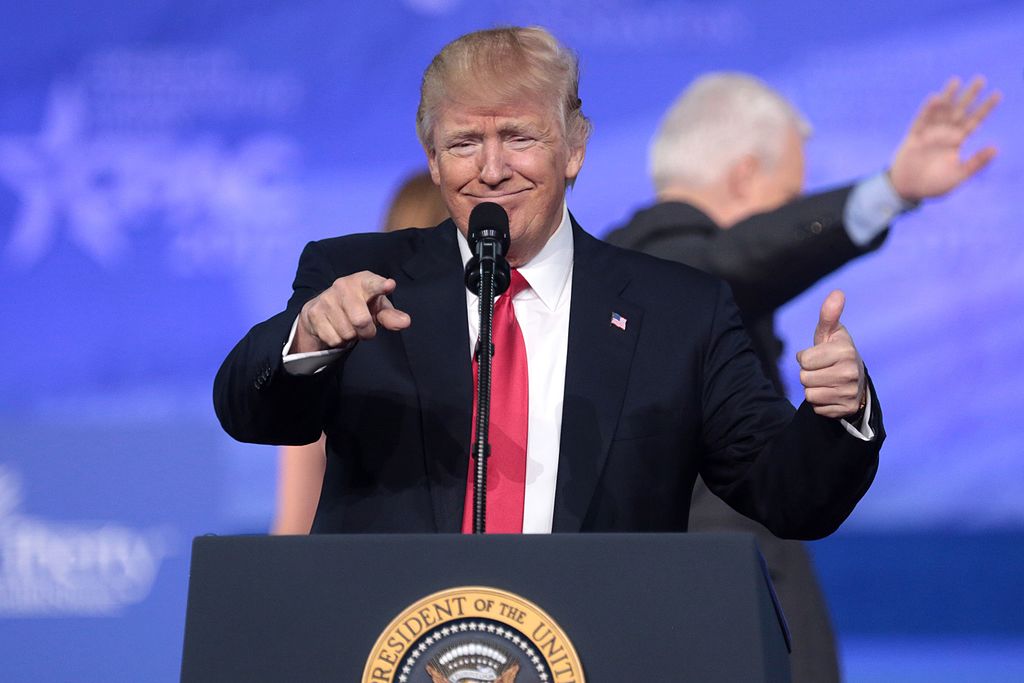
Following President-elect Donald Trump's victory in the 2024 U.S. presidential election, Iran has reportedly suspended its plans for military action against Israel. This decision reflects Tehran's anticipation of potential shifts in U.S. foreign policy under the incoming administration.
Iran's Strategic Reassessment
Iran's decision to halt its "True Promise 3" operation against Israel indicates a strategic reassessment in light of Trump's election. The operation, initially planned as a retaliatory measure, has been postponed, suggesting Tehran's intent to avoid immediate escalation.
This move aligns with Iran's historical pattern of calibrating its military strategies based on U.S. political transitions. The Iranian leadership appears to be weighing the potential for renewed diplomatic engagement or, conversely, the reimposition of stringent sanctions reminiscent of Trump's previous tenure.
Economic Constraints and Regional Dynamics
Iran's economy continues to grapple with challenges stemming from past sanctions and internal mismanagement. These economic constraints, coupled with the weakened state of its ally Hezbollah, have likely influenced Tehran's decision to suspend aggressive military actions.
Hezbollah, operating primarily in Lebanon, has faced significant setbacks due to regional conflicts and internal political pressures. Its diminished capacity reduces Iran's leverage in proxy engagements against Israel, prompting a more cautious approach.
Anticipating U.S. Policy Shifts
President-elect Trump's campaign rhetoric emphasized a desire to reduce U.S. involvement in Middle Eastern conflicts. Iran may interpret this as an opportunity to de-escalate tensions and seek relief from economic sanctions. However, uncertainties remain regarding the specifics of the forthcoming U.S. foreign policy.
The Iranian government has expressed readiness for confrontation if necessary, with officials stating that their defense capabilities are prepared to respond to any aggression.
Public Reaction on Social Media
The suspension of Iran's military plans has elicited varied responses on social media platforms:
-
@MiddleEastAnalyst: "Iran's pause on attacking Israel post-Trump election shows strategic patience. They're waiting to see U.S. policy direction."
-
@PeaceNowAdvocate: "Encouraging to see Iran halting aggressive plans. Diplomacy should be the focus moving forward."
-
@DefenseWatchDog: "Iran's decision is likely a tactical move. They might be buying time to strengthen their position."
-
@GlobalAffairsGuru: "This suspension reflects Iran's economic struggles and weakened alliances. Their options are limited."
-
@PolicyPundit: "Trump's victory has clearly impacted Iran's military calculus. U.S. foreign policy shifts are pivotal."
-
@RegionalSecurityExpert: "Hezbollah's weakened state plays a crucial role in Iran's restraint. Regional dynamics are shifting."
Looking Ahead
As the U.S. prepares for a transition of power, Iran's future actions will likely hinge on the policies adopted by the incoming administration. The international community remains watchful, hoping for a reduction in hostilities and a renewed focus on diplomatic solutions to longstanding conflicts in the Middle East.







