


 Gaza Faces Evacuation Crisis as War-Damaged Buildings Risk Collapse
  Taiwan Vows to Advance US Arms Sales Ahead of Trump-Xi Meeting
  Trump Board of Peace Unveils $2.45 Billion Gaza Recovery Plan
  Vietnam, US Trade Deal Could Be Signed Soon, To Lam Says
  Trump Says U.S.-Iran Peace Deal Near After UN Talks
  Russian Strikes Kill Eight Across Ukraine as Energy Sites Hit
  South Korea, US Discuss Warship Building Cooperation
  Zelenskiy Warns Russia Preparing Major Attack on Ukraine
  Trump to Press Xi on Release of US Nuclear Expert Held in China
  Europe Warns Russia Is Escalating Hybrid Attacks Across NATO
  Trump Administration Plans Faster FDA Reviews for Smoke-Free Nicotine Products
  Scott Bessent Eyed as Trump’s New AI Czar
  US Officials Split Over Response to Israeli West Bank Settlements
  Macron Challenges Trump’s Gaza Peace Claims at UN
  Ghana Says Western Support Growing for Slave Trade Reparations
  Macron, Trump Discuss Ukraine-Russia Energy Strike Moratorium
  Canada Unveils Bill to Fast-Track Major Resource Projects


 Add as a preferred source on Google
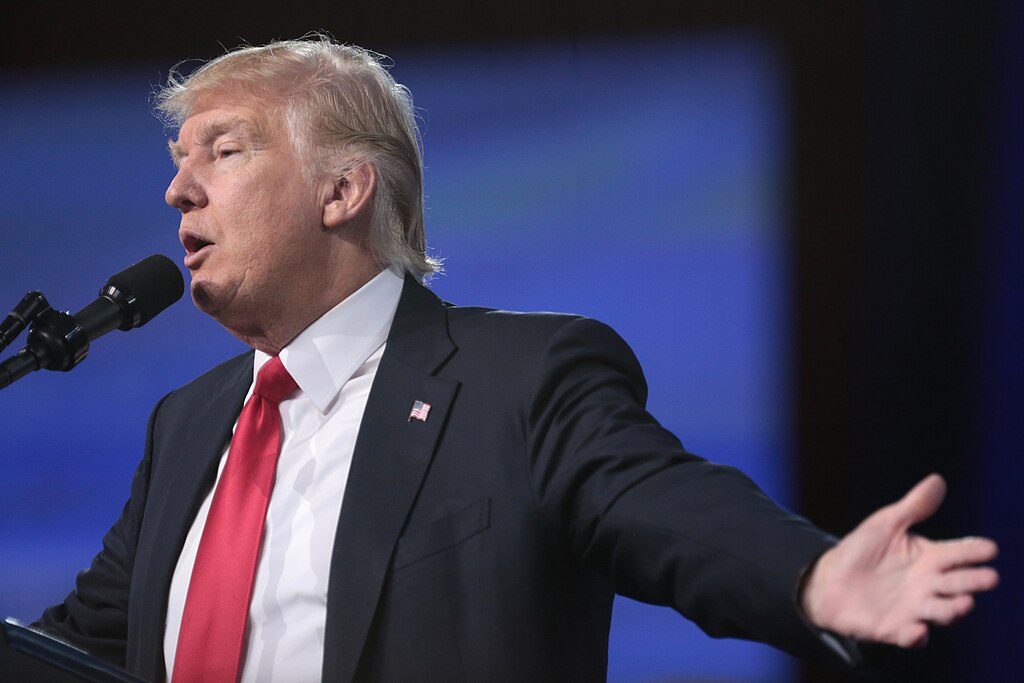
In 2025, President Donald Trump is pursuing dramatic changes to U.S.-Mexico relations, prioritizing border security, trade negotiations, and combating drug trafficking. Building on his "America First" agenda, the administration has introduced policies aimed at tightening immigration controls and reshaping economic ties with Mexico.
While Trump’s allies argue the new approach restores American strength, critics warn it risks straining an already complex relationship. Mexican President Claudia Sheinbaum has responded cautiously, emphasizing Mexico’s commitment to maintaining diplomacy but vowing to protect her nation’s sovereignty.
Heightened Border Policies and Immigration Crackdowns
Central to Trump’s reshaped U.S.-Mexico strategy is a renewed focus on border enforcement. The administration has revived plans for mass deportations and enhanced border wall construction, emphasizing a zero-tolerance approach to illegal immigration. Local law enforcement and federal agencies have been tasked with implementing these policies under tighter oversight.
Additionally, Trump has introduced a new tariff scheme targeting Mexican goods, threatening economic repercussions if drug trafficking and migration flows are not addressed. The proposed 25% tariff on imports has sparked widespread criticism, with economists predicting rising costs for American consumers.
Mexican officials, including Sheinbaum, have called the tariffs “punitive” and warned of retaliatory measures. Sheinbaum stated earlier this month that while her government seeks cooperation, Mexico would not “bow to coercion.”
Economic Fallout and Diplomatic Concerns
Economists and business leaders are voicing concerns over the potential fallout from Trump’s policies. Mexico, the United States’ largest trading partner in 2023, accounts for nearly $800 billion in goods and services exchanged annually. Key industries, including automotive manufacturing, agriculture, and electronics, rely on seamless cross-border collaboration.
In response, Mexican officials are exploring diversifying trade partnerships, potentially strengthening ties with Canada, China, and other nations. Diplomats on both sides warn that escalating tensions could destabilize the region’s economic growth and security.
Social media users have fiercely debated Trump’s approach:
- @BorderWatch2025: “Finally, a leader holding Mexico accountable. These policies will protect our borders and jobs. #AmericaFirst”
- @GlobalEconomyGuru: “Trump’s tariffs are reckless. Alienating Mexico will backfire and hurt American families at the checkout line.”
- @MexicoMatters: “Sheinbaum is right—Mexico deserves respect. We won’t be bullied by threats and economic warfare.”
- @PatriotPolicyFan: “Immigration reform is long overdue. Trump’s leadership on Mexico sends the message we needed all along.”
- @TradeAnalystPro: “Severing ties with Mexico jeopardizes decades of progress. Short-term gains aren’t worth long-term instability.”
- @LatAmObserver: “This is the most strained U.S.-Mexico relationship in decades. Diplomacy is the only way forward.”
Future of U.S.-Mexico Relations
As Trump’s administration implements its plans, the long-term implications for U.S.-Mexico relations remain uncertain. While the president’s supporters celebrate his assertive leadership, critics question whether his policies will cause more harm than good.
Observers argue that the success of Trump’s strategy depends on balancing security concerns with economic stability. Mexico’s government continues to engage diplomatically, seeking to prevent further escalation while defending its interests.
The world will closely watch how both nations navigate this delicate balancing act. Whether Trump's reshaped U.S.-Mexico relationship strengthens the region or ignites further tensions remains to be seen.







