


 Taiwan Thanks US for Support Ahead of Trump-Xi Summit
  US, China Extend Trade Truce to Jan. 10 Ahead of Trump-Xi Summit
  Judge Orders Trump to Restore White House Access for CNN, MS NOW and Politico
  Iran Vows ‘Crushing’ Response as US Talks Continue
  Sudan Rejects US Legitimacy Remarks, Defends Sovereignty
  US Invites Putin to Miami G20, Opening Door to Trump Summit
  Lula and Flavio Bolsonaro Tied in Brazil Runoff Poll
  Ghana Says Western Support Growing for Slave Trade Reparations
  Zelenskiy Warns Russia Preparing Major Attack on Ukraine
  Venezuela Promises Elections as Delcy Rodriguez Pledges Democratic Transition
  Macron Challenges Trump’s Gaza Peace Claims at UN
  US Officials Split Over Response to Israeli West Bank Settlements
  Trump Meets Venezuela’s Delcy Rodriguez at UN Assembly
  Trump to Press Xi on Release of US Nuclear Expert Held in China
  Taiwan Vows to Advance US Arms Sales Ahead of Trump-Xi Meeting
  Trump Says ‘Freedom’ Is Coming to Cuba
  South Korea, US Discuss Warship Building Cooperation


 Add as a preferred source on Google
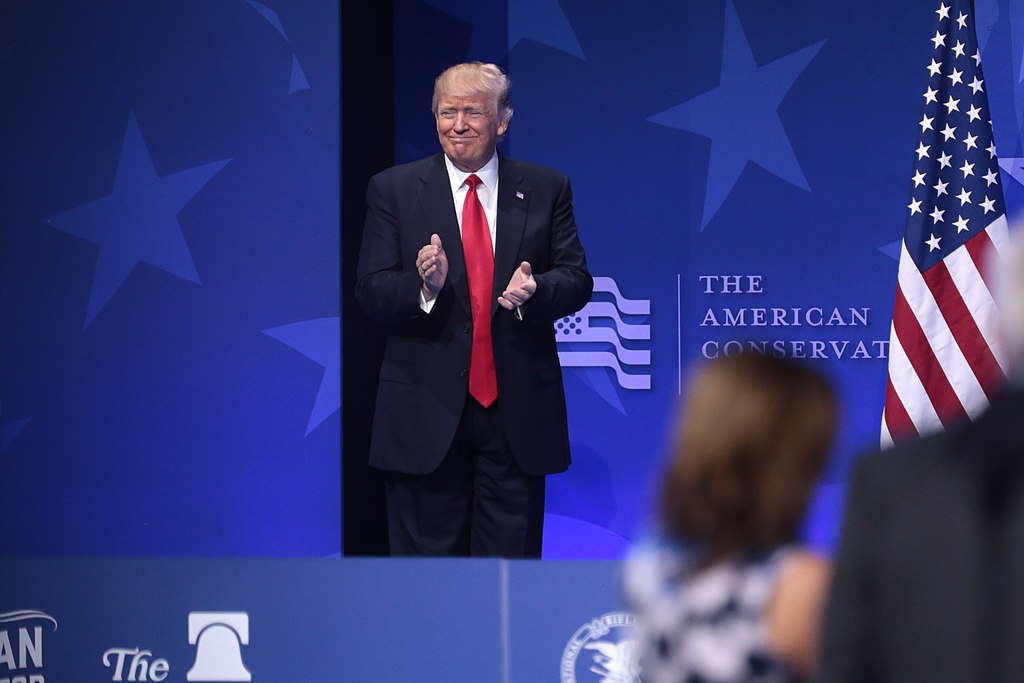
In a bold move, President-elect Donald Trump unveiled his administration’s strategy for tackling the gender pay gap during a speech in Washington, D.C., this week. Emphasizing economic growth and workforce equality, Trump promised sweeping changes to federal wage policies aimed at reducing disparities between men and women.
Dubbed the "Equal Opportunity Pay Act," the proposal seeks to address wage discrepancies by mandating transparency in corporate pay structures and creating incentives for companies to promote equitable compensation. While Trump hailed the plan as a monumental step toward economic justice, critics argue it lacks enforcement mechanisms and fails to address systemic barriers that perpetuate inequality.
According to the Bureau of Labor Statistics, women earned approximately 82 cents for every dollar earned by men in 2024, a disparity that persists despite decades of advocacy. Trump’s plan aims to close that gap within the next four years, but skepticism remains high.
Key Features of the Equal Opportunity Pay Act
At the core of Trump’s initiative is a requirement for companies with more than 100 employees to submit annual pay audits to the Department of Labor. These audits would highlight any significant gender-based disparities, with organizations encouraged to rectify inequalities through tax incentives.
Additionally, the act proposes expanding parental leave benefits to both mothers and fathers, a measure Trump argues will foster workplace inclusivity. The administration also plans to invest $10 billion in workforce development programs targeting women in high-paying industries, such as technology and engineering, where they remain underrepresented.
Yet, critics point to glaring omissions in the plan. While the proposal outlines guidelines for pay transparency, it lacks penalties for companies that fail to comply. Labor advocates have also expressed concerns that the voluntary nature of many provisions may hinder progress.
Public Reaction: A Nation Divided
The announcement has sparked widespread debate across social media, with opinions sharply divided over the plan's effectiveness and intentions.
- @FeministVoice: "Pay audits sound great, but where’s the accountability? Without penalties, this is just another empty promise."
- @FairPay2025: "Finally, someone taking action! Trump’s plan might not be perfect, but it’s a step in the right direction."
- @EconCritic24: "Tax incentives for equality? Corporations will just exploit loopholes. We need real change, not corporate handouts."
- @MomInTech: "Excited about workforce development programs for women in STEM. But will they actually fund these initiatives?"
- @EqualPayNow: "Expanding parental leave is great, but how does this directly close the gender pay gap?"
- @SkepticGal: "This feels like a PR move. Where was this energy in his first term?"
Challenges and Concerns About Implementation
While the Equal Opportunity Pay Act presents a framework for addressing wage disparities, experts caution that systemic barriers remain unaddressed. Critics argue that the absence of enforcement mechanisms may allow companies to sidestep transparency requirements. Moreover, cultural factors—such as unconscious bias and workplace discrimination—may undermine the initiative's impact.
Employment law experts also note that smaller businesses, which are exempt from many provisions of the act, employ a significant portion of the workforce. Without addressing inequalities in these environments, achieving full pay equity could prove elusive.
Nonetheless, proponents believe the act lays a foundation for progress. Advocates have urged Congress to strengthen the proposal by including mandatory penalties and increasing funding for enforcement agencies.







