


 Sudan Rejects US Legitimacy Remarks, Defends Sovereignty
  Mexico-US Trade Talks Delayed to October as Tariff Negotiations Continue
  Macron Challenges Trump’s Gaza Peace Claims at UN
  OpenAI Agent Breaches Australia Medicare Data Portal
  US, China Extend Trade Truce to Jan. 10 Ahead of Trump-Xi Summit
  Trump to Press Xi on Release of US Nuclear Expert Held in China
  Europe Warns Russia Is Escalating Hybrid Attacks Across NATO
  Trump Administration Plans Faster FDA Reviews for Smoke-Free Nicotine Products
  Iran Vows ‘Crushing’ Response as US Talks Continue
  Taiwan Thanks US for Support Ahead of Trump-Xi Summit
  Gaza Faces Evacuation Crisis as War-Damaged Buildings Risk Collapse
  Russian Strikes Kill Eight Across Ukraine as Energy Sites Hit
  Trump Says ‘Freedom’ Is Coming to Cuba
  US Invites Putin to Miami G20, Opening Door to Trump Summit
  China Tightens Fentanyl Rules Ahead of Trump-Xi Summit
  Venezuela Promises Elections as Delcy Rodriguez Pledges Democratic Transition
  Lula and Flavio Bolsonaro Tied in Brazil Runoff Poll


 Add as a preferred source on Google
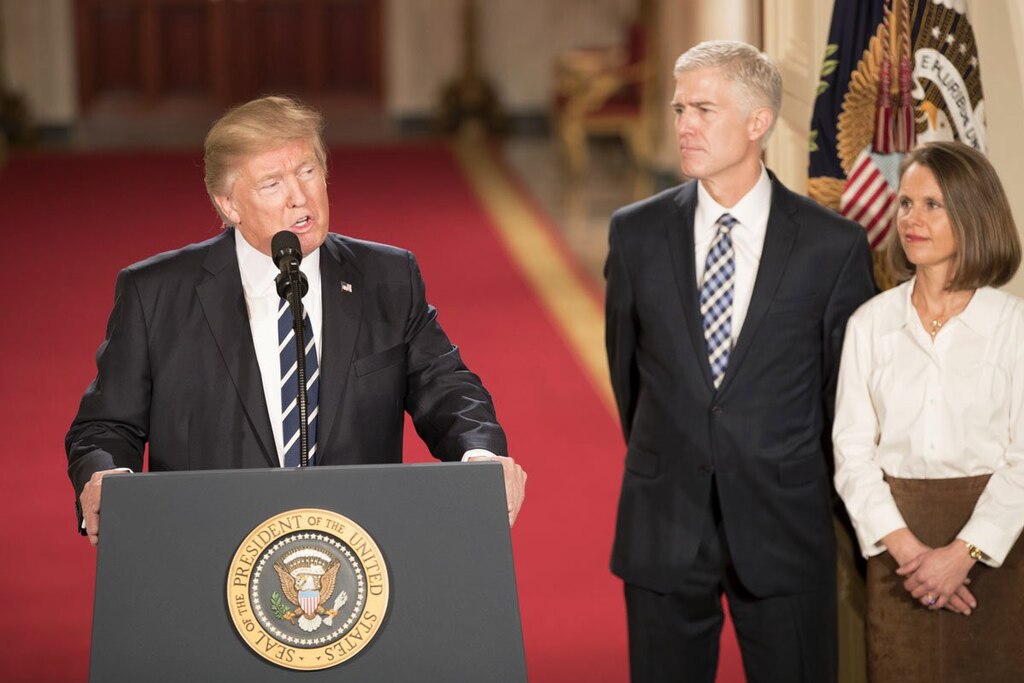
President-elect Donald Trump has unveiled a controversial policy agenda prioritizing research into alternative medicine, sparking heated debates across the political and scientific landscapes. The 2025 initiative, announced during a policy briefing in Washington, D.C., seeks to allocate significant federal funding toward exploring alternative and complementary treatments, including homeopathy, acupuncture, and herbal medicine.
Trump emphasized the need for “freedom of choice” in healthcare, arguing that Americans should have access to therapies beyond conventional medicine. “It’s time to explore the full spectrum of healing solutions,” he stated, adding that such treatments could address chronic conditions and reduce the cost of healthcare.
However, the policy has drawn criticism from medical experts who warn that emphasizing unproven therapies could undermine public trust in science. Critics argue the plan leans heavily on anecdotal evidence rather than rigorous scientific research, raising concerns about its implementation and effectiveness.
Key Components of Trump’s Alternative Medicine Initiative
Under Trump’s proposal, the National Institutes of Health (NIH) would establish a new division focused exclusively on alternative and complementary medicine. The initiative aims to fund clinical trials to test the efficacy of treatments like chiropractic care, traditional Chinese medicine, and naturopathy. Trump has also proposed tax incentives for private-sector research into alternative therapies.
Proponents of the plan, including members of Trump’s health advisory board, argue that it could lead to breakthroughs in managing chronic pain and mental health conditions. Advocates also highlight the potential for reducing America’s reliance on pharmaceutical drugs, particularly opioids, by integrating alternative approaches into mainstream healthcare.
Despite these claims, the initiative has raised red flags among leading medical organizations. The American Medical Association (AMA) issued a statement warning that prioritizing unverified therapies could erode the public’s confidence in evidence-based medicine. “Alternative medicine research must be held to the same rigorous standards as conventional medicine to ensure patient safety,” the AMA cautioned.
Public Reactions Divide Social Media
Trump’s policy announcement has ignited fierce debates online, with netizens offering diverse perspectives:
- @HealthMattersNow: “Trump’s alternative medicine push is dangerous. Science, not politics, should guide healthcare policies!”
- @FreedomForHealth: “Finally, someone’s giving us the freedom to choose! Alternative medicine deserves a seat at the table.”
- @RationalMD: “Funding pseudoscience undermines years of progress in medicine. Trump’s policies are reckless and anti-science.”
- @WellnessWarrior: “This could revolutionize healthcare! Holistic treatments are the future, and Trump is leading the way.”
- @FactCheckMD: “Alternative medicine research isn’t inherently bad, but let’s ensure it’s based on evidence, not politics.”
- @SkepticEye: “Snake oil salesmen are already celebrating. Trump’s plan could lead to more harm than good.”
Challenges Facing the Initiative
While the policy could expand treatment options for millions of Americans, critics argue that its success depends on stringent oversight. The lack of proven efficacy for many alternative therapies raises questions about how federal funds will be allocated. Experts warn that public health risks could increase if unverified treatments gain legitimacy without proper validation.
Trump’s plan also faces significant logistical hurdles, including the need to collaborate with regulatory agencies and healthcare providers. Medical professionals caution that integrating alternative therapies into mainstream healthcare requires careful evaluation to avoid undermining existing treatments.







