


 Mexico-US Trade Talks Delayed to October as Tariff Negotiations Continue
  Zelenskiy Warns Russia Preparing Major Attack on Ukraine
  Russian Envoy Dmitriev Heads to US for Ukraine Talks
  China Tightens Fentanyl Rules Ahead of Trump-Xi Summit
  Netanyahu Takes Aim at Mamdani as Israel Election Nears
  Marco Rubio to Meet Russia’s Lavrov in New York
  Trump Administration Plans Faster FDA Reviews for Smoke-Free Nicotine Products
  Trump Board of Peace Unveils $2.45 Billion Gaza Recovery Plan
  Sudan Rejects US Legitimacy Remarks, Defends Sovereignty
  Trump Says ‘Freedom’ Is Coming to Cuba
  Kremlin Says No Grounds Yet for Ukraine Peace Talks
  Iran Vows ‘Crushing’ Response as US Talks Continue
  Taiwan Vows to Advance US Arms Sales Ahead of Trump-Xi Meeting
  Trump Meets Venezuela’s Delcy Rodriguez at UN Assembly
  South Korea, US Discuss Warship Building Cooperation
  Venezuela Promises Elections as Delcy Rodriguez Pledges Democratic Transition
  Lula and Flavio Bolsonaro Tied in Brazil Runoff Poll


 Add as a preferred source on Google
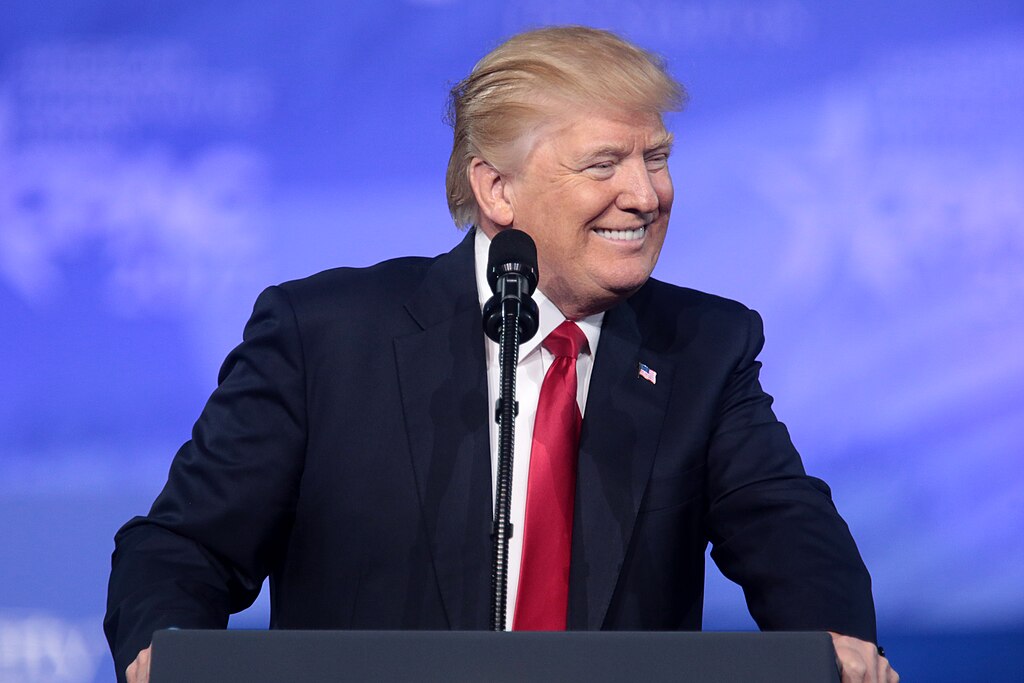
As President-elect Donald Trump prepares to take office in 2025, he has unveiled an ambitious plan to breathe life back into struggling coal mining towns across the United States. Promising to restore economic prosperity in historically coal-dependent regions, Trump’s strategy includes deregulation, infrastructure investments, and incentives for coal companies to reopen shuttered mines. However, critics argue the plan could undermine environmental progress and fail to deliver long-term economic stability.
During a rally in West Virginia, Trump emphasized his commitment to coal miners, declaring, “We are bringing back coal jobs and supporting the hardworking Americans who built this country.” His administration aims to introduce tax breaks for coal companies and streamline permitting processes to jump-start mining operations.
While the initiative has been applauded by coal town residents desperate for economic relief, environmentalists and policy experts question its feasibility and long-term impact.
Economic Promises Amid Environmental Concerns
Central to Trump’s coal revival strategy is the rollback of Obama-era environmental regulations, which coal advocates argue have stifled the industry. The administration also plans to invest in job training programs to help displaced workers re-enter the coal industry.
Trump’s team has highlighted several towns in Kentucky, West Virginia, and Pennsylvania as beneficiaries of the initiative. The administration’s infrastructure plan includes repairing roads and railways to improve coal transportation and incentivizing companies to invest in cleaner coal technologies.
Critics, however, warn that reviving coal may not provide sustainable economic growth. According to the Institute for Energy Economics and Financial Analysis, the global demand for coal is declining as renewable energy sources become more affordable. Analysts suggest that efforts to revitalize coal towns would be better spent diversifying local economies and investing in renewable energy jobs.
Environmental advocates have also raised alarms about the plan’s impact on climate change. Rolling back regulations could lead to increased greenhouse gas emissions, jeopardizing U.S. commitments to international climate goals.
Public Reactions: Divided Opinions on Coal Revival
Trump’s coal revitalization strategy has sparked a heated debate online, with netizens expressing polarized views on its potential success and consequences.
- @CoalMinerBob: "Trump is keeping his promises to the coal miners. Finally, someone is standing up for us!"
- @ClimateActionNow: "Reviving coal? In 2025? Trump’s plan ignores science and jeopardizes our planet for short-term gains."
- @AppalachiaStrong: "Our towns have been suffering for too long. This could be the fresh start we need!"
- @RenewableRevolution: "Instead of clinging to the past, invest in renewable energy. Coal is dead, and Trump can’t save it."
- @PatriotMinerWV: "I’d rather see coal back than depend on foreign energy. Trump is doing what’s right for America."
- @EcoRealist88: "Coal miners deserve better. Reopening mines won’t solve the bigger issue of economic diversification."
Challenges and the Road Ahead
While Trump’s plan offers hope to coal mining communities, its success faces significant hurdles. The decline of coal is tied to market forces, with renewable energy sources increasingly dominating the energy landscape. Experts caution that Trump’s policies may provide temporary relief but fail to address the long-term economic realities these towns face.
Policy analysts argue that a sustainable approach would include transitioning coal towns toward diversified industries, leveraging their skilled workforce for opportunities in manufacturing or renewable energy sectors.
Meanwhile, environmental groups continue to challenge Trump’s deregulation agenda, vowing to fight policies that undermine climate progress.
As the administration prepares to roll out its coal revitalization initiatives, the nation remains divided on whether Trump’s promises represent economic salvation or a misguided step backward.







