


 Trump to Press Xi on Release of US Nuclear Expert Held in China
  US Officials Split Over Response to Israeli West Bank Settlements
  Trump Says U.S.-Iran Peace Deal Near After UN Talks
  Sudan Rejects US Legitimacy Remarks, Defends Sovereignty
  Kremlin Says No Grounds Yet for Ukraine Peace Talks
  Scott Bessent Eyed as Trump’s New AI Czar
  China Tightens Fentanyl Rules Ahead of Trump-Xi Summit
  Trump Meets Venezuela’s Delcy Rodriguez at UN Assembly
  Russian Strikes Kill Eight Across Ukraine as Energy Sites Hit
  Macron, Trump Discuss Ukraine-Russia Energy Strike Moratorium
  Venezuela Promises Elections as Delcy Rodriguez Pledges Democratic Transition
  Marco Rubio to Meet Russia’s Lavrov in New York
  Taiwan Vows to Advance US Arms Sales Ahead of Trump-Xi Meeting
  Canada Unveils Bill to Fast-Track Major Resource Projects
  Trump Board of Peace Unveils $2.45 Billion Gaza Recovery Plan
  Burnham Eyes UK Leadership Role in AI Ahead of Trump Meeting
  South Korea, US Discuss Warship Building Cooperation


 Add as a preferred source on Google
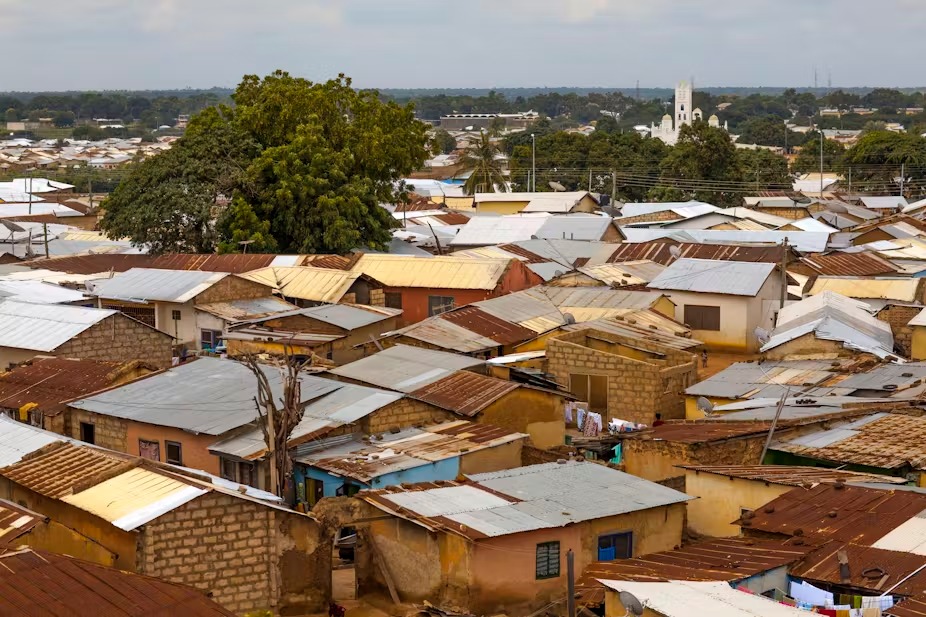
Ghana says Western support is increasing for its campaign seeking reparations for the trans-Atlantic slave trade, with the initial effort focused on securing the return of African artifacts taken during the colonial era.
Ghanaian Foreign Minister Samuel Okudzeto Ablakwa said Wednesday that restitution of looted cultural artifacts is the first priority of a broader reparatory justice campaign. He spoke at an event co-hosted by Ghana, Germany and France on the sidelines of the UN General Assembly.
The initiative is based on a 19-point reparations plan adopted in June by the African Union and the Caribbean Community Commission on Reparatory Justice. Beyond artifact restitution, later stages could involve formal apologies, debt relief and financial compensation.
In March, the United Nations passed a resolution recognizing trans-Atlantic slavery as “the gravest crime against humanity.” The measure received 123 votes in favor, while the United States, Israel and Argentina voted against it. Another 52 countries, including European Union members and the United Kingdom, abstained.
Ablakwa said attitudes have shifted since the UN vote, with many European governments that abstained now expressing willingness to participate in discussions.
“Virtually all the European countries that abstained during the vote have reached out and have said they are going to work with us on this journey,” he said.
According to Ablakwa, Britain and Portugal have offered support, while the United States has indicated it is prepared to engage with the Ghana-led initiative. France, Germany and the Netherlands have also signaled willingness to return artifacts.
“Restitution is very important to this journey,” Ablakwa said, arguing that African cultural objects should be returned to their countries of origin.
An estimated 12.5 million Africans were enslaved and transported across the Atlantic between the 16th and 19th centuries, according to the Trans-Atlantic Slave Trade Database. Enslaved Africans were taken primarily to South America, the Caribbean and North America to work on plantations and in mines.
The database estimates that Portugal and Britain were responsible for transporting more than 70% of enslaved Africans carried across the Atlantic.







