


 US Eyes Refinery Boost as Trump Seeks Relief From High Gas Prices
  Canada Faces 50% U.S. Tariffs as Trade Tensions Threaten USMCA Talks
  Pentagon Weighs Permanent U.S. Military Drawdown in Persian Gulf
  South Korea’s Lee Calls for Stronger Defence as US Eyes Reduced Joint Drills
  Trump Approval Rating Hits Presidency Low as Iran War Concerns Grow
  Trump Administration Allocates $206 Million for Gaza Peacekeeping Force
  Gaza Zoo Struggles to Save Animals Amid War
  Israeli Airstrike Kills Six Palestinians in Gaza as Trump Peace Plan Stalls
  Gérald Darmanin Backs Édouard Philippe for 2027 French Presidential Election
  Ukraine Names Yevhenii Khmara Defence Minister Amid Election Row
  Philippines Confident in U.S. Defense Commitment Despite Middle East Redeployment
  US, South Korea Cut Joint Military Drills After Trump Orders Reduced Role
  Trump Pauses 50% Canada Tariffs for Three Days as U.S. Trade Deal Takes Shape
  UN Chief Raises Concern Over US Sanctions on ICC Officials
  Erdogan Urges Trump to Resume Iran Talks, Offers Turkey’s Support for Peace Efforts
  Trump Says Iran Should Surrender as Nuclear Deal Talks Stall


 Add as a preferred source on Google
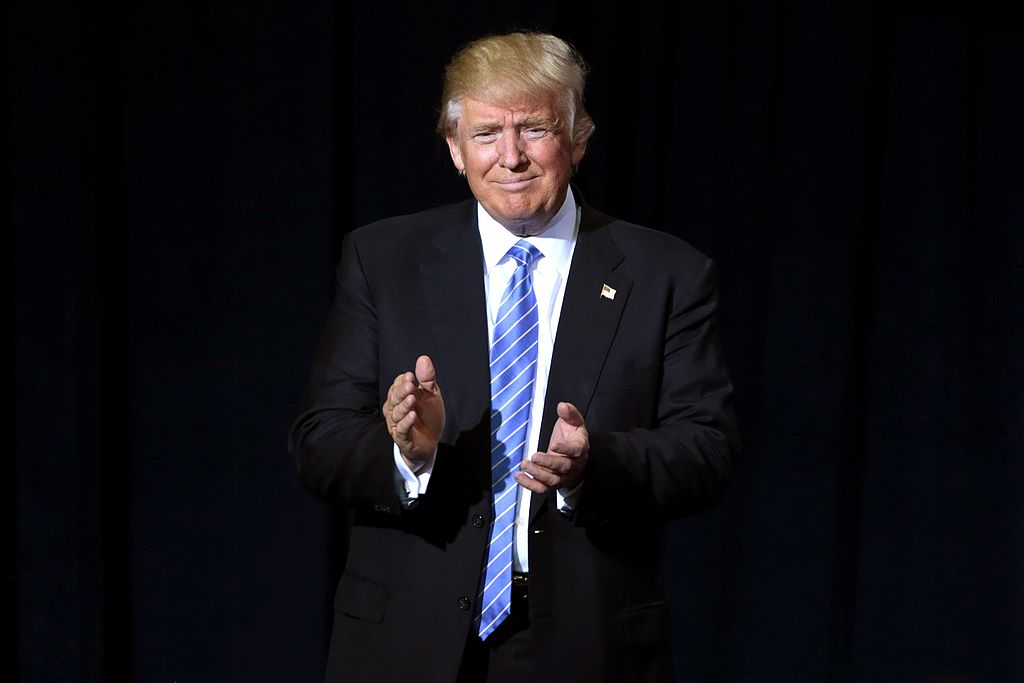
In 2025, former President Donald Trump has reportedly intensified efforts to combat fraudulent health insurance claims, a move his administration claims is designed to protect taxpayers and honest policyholders. Through sweeping policy changes and the introduction of stricter oversight measures, Trump aims to curb what he describes as a “rampant issue” within the healthcare industry.
A key component of the crackdown includes bolstering investigative resources within federal agencies tasked with monitoring healthcare fraud. Additionally, Trump’s policy encourages closer collaboration between insurance providers and law enforcement to identify and penalize fraudulent activity swiftly. These measures, according to his administration, could save billions of dollars annually and ensure greater transparency within the health insurance system.
However, the aggressive approach has drawn sharp criticism from healthcare advocates, legal experts, and consumer rights groups. They argue that the policies disproportionately target low-income individuals and create unnecessary bureaucratic hurdles for legitimate claimants.
Trump’s Plan Faces Backlash Over Accessibility Concerns
Among the most contentious aspects of Trump’s new measures is the expanded use of AI-driven algorithms to flag potentially fraudulent claims. Critics warn that these systems could wrongly label valid claims, causing delays and denying coverage to individuals in need of urgent care.
Another point of contention is the administration’s push to hold insurers more accountable for claims processing. While supporters view this as a step toward reducing industry-wide corruption, detractors argue that it could lead to increased premiums for consumers.
Civil rights organizations have also raised alarms, suggesting that marginalized communities may be unfairly scrutinized due to implicit biases embedded in fraud detection systems. “This is not just about stopping fraud; it’s about creating unnecessary barriers for the most vulnerable,” said a spokesperson for a leading healthcare advocacy group.
Despite the criticism, the Trump administration maintains that the measures are necessary to safeguard the integrity of the health insurance market. “This is about accountability,” Trump stated during a press conference. “We are taking action to stop criminals from exploiting hardworking Americans.”
Public Reaction Highlights Polarized Views
The announcement of Trump’s policies has sparked heated debate on social media, with netizens sharing mixed opinions:
- @HealthForAll: “Trump’s targeting vulnerable people under the guise of stopping fraud. This is unfair and unnecessary!”
- @PatriotGuard2025: “Finally, someone is standing up to fraud in our healthcare system. Go Trump!”
- @EqualRightsNow: “AI algorithms can’t be trusted. This will harm more people than it helps.”
- @HealthcareWatchdog: “Accountability is essential, but Trump’s plan seems more about politics than practical solutions.”
- @BlueWaveAction: “Marginalized communities will be hit the hardest by these policies. Where’s the empathy?”
- @FraudFreeUSA: “Taxpayers deserve protection. If you’re honest, you have nothing to worry about.”







