


 Prince Harry and Meghan Markle Reportedly Plan UK Move With Children
  Lebanon Lawyers Seek Probe Into Banker Over Alleged Netanyahu Dinner in Washington
  Trump Approval Rating Hits Presidency Low as Iran War Concerns Grow
  DOJ Subpoenas New York Times Freelancer Over North Korea Military Report
  Pentagon Weighs Permanent U.S. Military Drawdown in Persian Gulf
  Israeli Airstrike Kills Six Palestinians in Gaza as Trump Peace Plan Stalls
  25 Democratic-Led States Sue Trump Administration Over New Global Tariffs
  Maduro U.S. Drug Trafficking Trial Set for June 2027 as Immunity Defense Looms
  Sun Pharma Wins U.S. Appeal in Pfizer Lipitor Antitrust Case
  US CENTCOM Chief Praises USS Abraham Lincoln Crew Amid Mental Health Concerns
  Trump Administration Allocates $206 Million for Gaza Peacekeeping Force
  Domino’s Weighs Appeal After Australian Court Rules Workers Were Misled on Pay
  US Eyes Refinery Boost as Trump Seeks Relief From High Gas Prices
  Capital One Says AML Review Led to Closure of Trump Organization Accounts
  Trump Pauses 50% Canada Tariffs for Three Days as U.S. Trade Deal Takes Shape
  US, South Korea Cut Joint Military Drills as Trump Seeks North Korea Talks
  Israel, Syria Discuss Turkey’s Military Presence Before Airstrike


 Add as a preferred source on Google
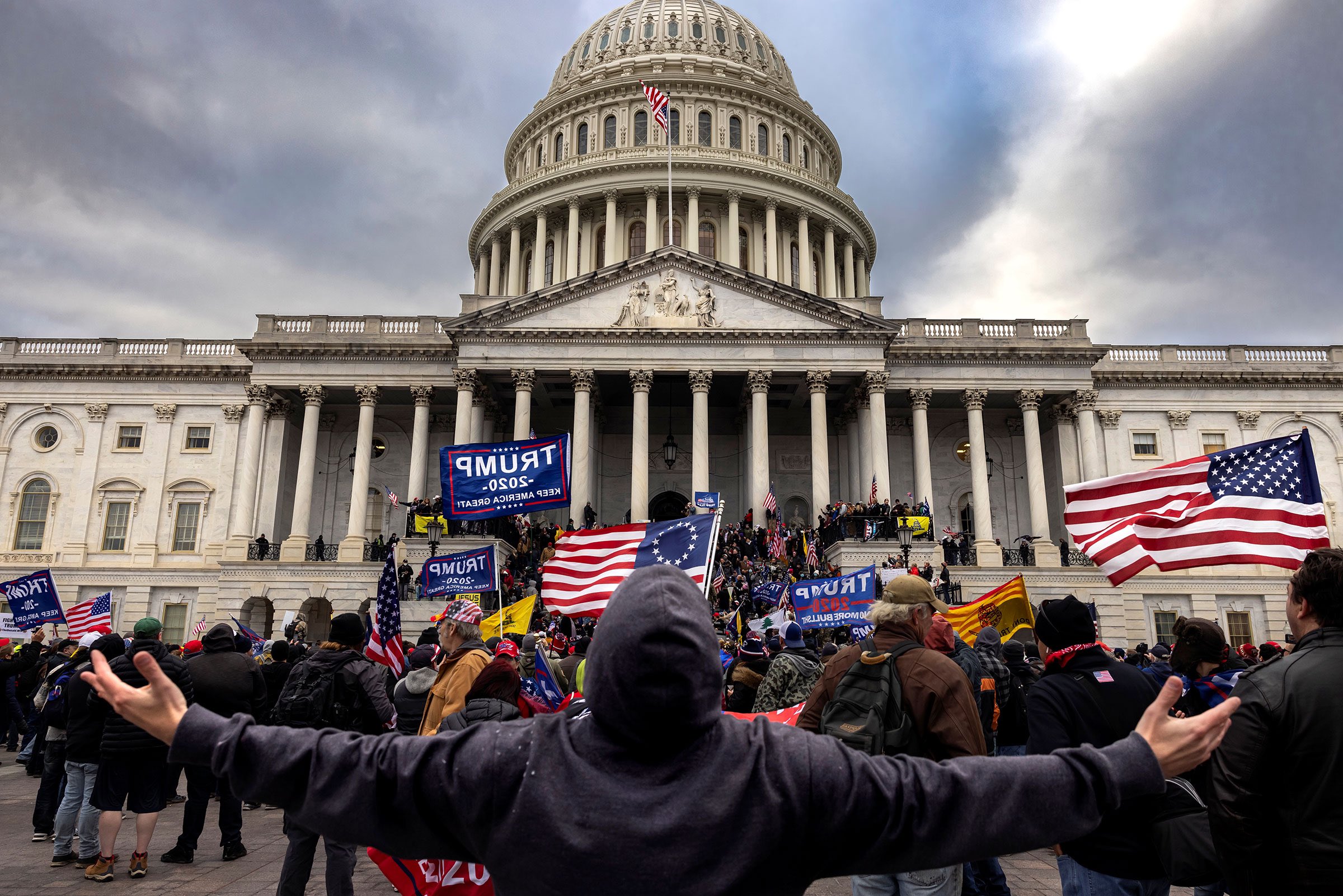
A recently released Department of Justice Office of the Inspector General (OIG) report has unveiled significant details about the FBI's deployment of confidential human sources during the January 6, 2021, Capitol events. According to the report, the agency had 26 confidential informants operating in Washington, D.C., that day. Out of these, 13 entered the restricted areas on Capitol Hill, while four reportedly made their way inside the Capitol building itself.
The revelations have reignited debates about the FBI’s role in the events of January 6, with critics questioning whether the agency adequately handled the intelligence gathered through its sources. The findings have also led to speculations regarding the extent of foreknowledge the agency had before the events unfolded.
Confidential Informants in Critical Areas
The OIG report sheds light on the movement and activities of these confidential human sources during the day of unrest. Sources operating on behalf of the FBI reportedly witnessed the chaos firsthand, including moments when protestors breached Capitol Hill's restricted zones. However, the report does not confirm whether these individuals actively participated in or instigated any of the activities.
The presence of FBI informants inside the Capitol has led some lawmakers and civil rights advocates to demand answers. Critics argue that if the FBI had prior intelligence about potential breaches, it raises questions about the adequacy of the agency’s preventive actions. At the same time, supporters of the agency emphasize that confidential sources are essential for monitoring and gathering intelligence during high-stakes events.
Accountability Concerns Spark Political Debate
The report has sparked widespread reactions across the political spectrum, with calls for greater transparency in the FBI’s operations. Some lawmakers have suggested that the agency must disclose whether these informants reported critical warnings before January 6.
“It’s one thing to deploy sources for intelligence purposes, but if these individuals had actionable information, why weren’t stronger preventive measures in place?” one legal expert commented.
Meanwhile, others have defended the agency's actions, citing the complexity of managing confidential sources and real-time intelligence in rapidly evolving situations. However, the report underscores the need for clear accountability measures to ensure that such operations align with ethical and legal standards.
Netizens React to the Report
Social media has erupted with varied opinions following the release of the OIG findings:
- @PatriotWatch42: “FBI informants INSIDE the Capitol? This raises serious questions about what they knew and didn’t act on!”
- @LibertyNow21: “If the FBI had 26 sources, why wasn’t the Capitol better protected? Feels like a cover-up.”
- @FactCheckPro: “Important context: informants don’t always mean foreknowledge. Let’s wait for more evidence before jumping to conclusions.”
- @TruthTeller88: “The FBI is supposed to protect us, not play along in chaos. This is a disaster!”
- @DataDiggerX: “13 sources in restricted areas and 4 inside? We need a full-scale investigation immediately.”
- @CapitolEyeWitness: “This changes the narrative. If FBI informants were there, why wasn’t the public warned?”







