


 OpenAI Agent Breaches Australia Medicare Data Portal
  Mexico-US Trade Talks Delayed to October as Tariff Negotiations Continue
  Kremlin Says No Decision Yet on Putin-Trump December Summit
  Taiwan Thanks US for Support Ahead of Trump-Xi Summit
  Abbas Reaffirms November 28 Palestinian Elections
  EU Defence Build-Up Too Slow for 2030 Russia Readiness Goal
  Trump Asks Supreme Court to Restore Third-Country Deportations
  Pezeshkian Says US Must Choose When Iran War Ends
  France Defends Netanyahu Airspace Clearance Despite ICC Warrant
  Saudi Arabia, Turkey and Pakistan Plan Urgent Defence Talks Over Houthi Attacks
  Ukrainian Drone Attacks Hit Russian Regions, Injuring at Least 12
  Trump, Xi Focus on Trade and AI at White House Summit
  North Korea Rejects Nuclear Test Warning, Calls Nuclear Status Irreversible
  Netanyahu’s Brief US Trip Highlights Strains With Trump
  North Korea Warns South Korea Over US-Led Defense Role
  US Backs Musk in Fight Against EU’s €120 Million X Fine
  US Supreme Court Revives Trump Administration Voter Citizenship Database


 Add as a preferred source on Google
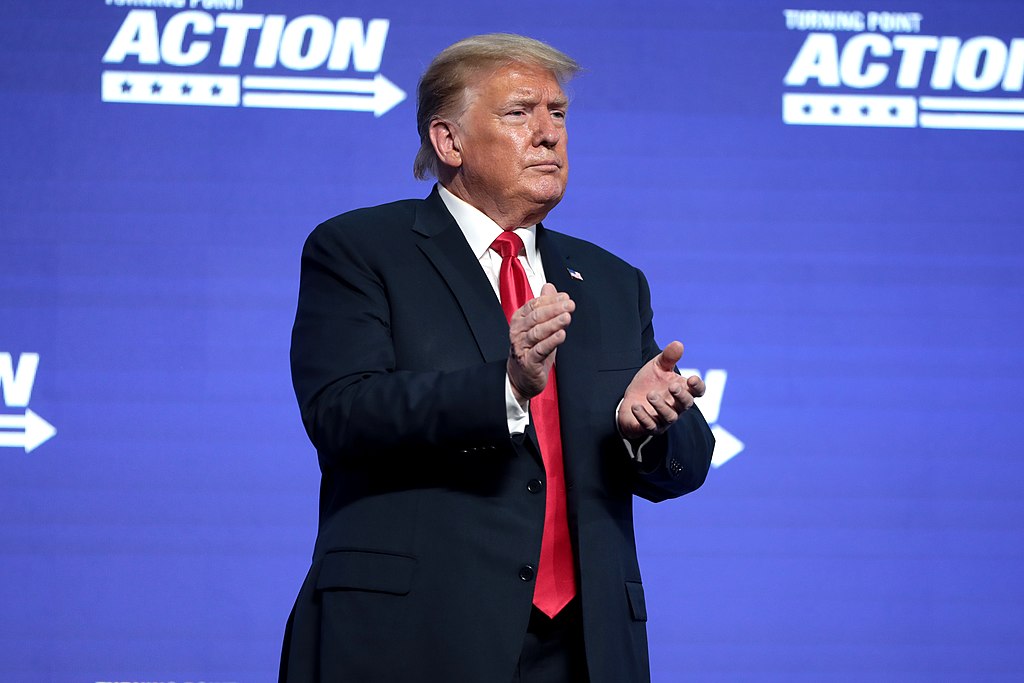
Guatemala is reportedly prepared to work with President-elect Donald Trump on deportation efforts, potentially easing the removal of Guatemalan citizens and other Central Americans from the United States. The country’s readiness to collaborate with U.S. authorities on immigration enforcement has triggered widespread debate, with critics raising concerns over human rights implications and supporters hailing it as a step toward addressing illegal immigration.
President-elect Trump made immigration a cornerstone of his campaign, vowing to implement stricter border controls and prioritize the deportation of undocumented immigrants. Guatemala’s reported willingness to assist with deportations aligns with Trump’s vision, offering logistical support to process and receive individuals removed from U.S. soil.
The Guatemalan government has yet to issue a formal statement detailing its exact role in these efforts, but sources familiar with the discussions suggest this partnership could facilitate smoother deportation operations for U.S. officials.
Central American Deportees in Focus
The reported agreement between Guatemala and the incoming Trump administration extends beyond its own citizens. Guatemala has indicated it may accept deportees from neighboring Central American nations, raising concerns about the strain this could place on the country’s resources.
Guatemala’s potential role as a regional hub for deported individuals highlights the broader complexities of migration in Central America, where violence, economic instability, and corruption drive thousands to seek refuge in the United States each year. Critics argue that accepting deportees from multiple countries could exacerbate Guatemala’s social challenges, particularly in already vulnerable communities.
Migration expert Dr. Maria Herrera noted, “While this cooperation might ease U.S. operations, it places a significant burden on Guatemala’s capacity to support returning citizens and other deportees.”
Mixed Reactions Erupt Online
The news of Guatemala’s potential collaboration with Trump’s deportation plan has sparked heated reactions on social media. Many users expressed outrage, while others applauded the move as a pragmatic approach to immigration.
- @BorderHawkNews: “Guatemala stepping up to help Trump with deportations shows true leadership on immigration. Other nations should follow!”
- @HumanRightsFirst: “This partnership is a betrayal of migrants fleeing violence. Guatemala is enabling human rights abuses.”
- @PatriotProud: “Finally, we have a country willing to take back its own people. Thank you, Guatemala!”
- @JusticeMatters: “Trump’s deportation plans just got worse. Guatemala accepting other nations’ deportees is deeply troubling.”
- @AmericanFrontline: “This is how real immigration reform starts. Strong partnerships and shared accountability!”
- @HopeForMigrants: “Guatemala’s cooperation with Trump is a disaster for Central America. Migrants deserve better treatment, not mass deportations.”
Guatemala Faces International Scrutiny
While Guatemala's cooperation may enhance Trump’s ability to fulfill campaign promises, the implications of such collaboration could reverberate far beyond the U.S.-Guatemala border. Analysts warn that this partnership may prompt backlash from human rights organizations and other Central American nations, potentially complicating regional relations.
As Trump prepares to take office, Guatemala’s reported willingness to assist with deportations signals an early test of his administration’s ability to navigate the complexities of international immigration policies. For Guatemala, the decision carries the dual challenge of maintaining diplomatic ties with the United States while addressing the needs of its citizens and deportees.







