


 Asian Stocks Fall as Bond Yields Surge Ahead of Trump-Xi Summit
  Russian Envoy Dmitriev Heads to US for Ukraine Talks
  Gold Holds Near $4,275 as Rising Treasury Yields Fuel Fed Rate Hike Bets
  Oil Prices Surge as U.S.-Iran Diplomacy Hopes Fade
  Oil Prices Jump 3% as Houthi Attack Revives Supply Fears
  US Stock Futures Fall as Treasury Yields Surge Ahead of Trump-Xi Summit
  Trump, Xi Focus on Trade and AI at White House Summit
  Fed Unveils Stablecoin Rules Under GENIUS Act
  Gold Prices Fall as Treasury Yields Rise on Fed Rate Hike Bets
  European Stocks Fall as Bond Yields and Geopolitical Risks Weigh
  South Korea, US Discuss Warship Building Cooperation
  US 10-Year Treasury Yield at 6% Emerges as New Market Risk Threshold
  Japan Private-Sector Growth Slows as Domestic Demand Weakens
  US, China Extend Trade Truce to Jan. 10 Ahead of Trump-Xi Summit
  Japanese Bank Stocks Surge as Bond Yields Fuel Rate Hike Bets
  Asian Currencies Mixed as Dollar Holds Near Two-Month High
  Wall Street Ends Flat as Oil, Treasury Yields and Fed Jitters Rattle Markets


 Add as a preferred source on Google
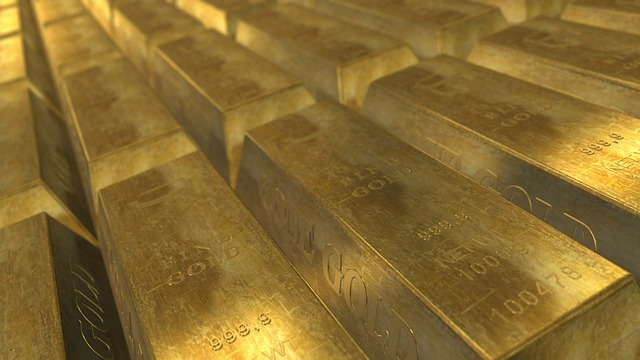
Gold prices edged lower during Asian trading on Tuesday as investors weighed geopolitical risks and monetary policy uncertainty. The precious metal remains range-bound, with traders closely monitoring developments surrounding potential U.S.-Iran peace talks and the upcoming Federal Reserve leadership decision.
Spot gold declined by 0.3% to $4,807.75 per ounce, while gold futures held steady at $4,827.39/oz. Despite ongoing geopolitical tensions, gold has struggled to break out of its recent $4,700–$4,900 trading range. Typically seen as a safe-haven asset, gold has underperformed since the escalation of the U.S.-Israel conflict involving Iran, as inflation concerns tied to the war have dampened demand.
Market sentiment remains cautious as uncertainty surrounds whether Washington and Tehran will resume negotiations before the current ceasefire expires. Former President Donald Trump indicated that a delegation led by Vice President JD Vance will head to Pakistan for potential talks. However, Iranian officials have expressed reluctance to engage while U.S. naval blockades remain in place, although reports suggest Tehran may still send representatives to Islamabad.
The fragile ceasefire is set to expire soon, raising concerns about renewed military conflict in the Middle East. Recent developments, including the U.S. seizure of an Iran-flagged vessel, have further heightened tensions and kept financial markets on edge.
In addition to geopolitical factors, investors are focusing on the Senate confirmation hearing for Kevin Warsh, Trump’s nominee for Federal Reserve Chair. His stance on interest rates and monetary policy is under scrutiny, particularly his perceived independence from political pressure. Warsh has previously supported lower rates but also advocated for reducing the Fed’s balance sheet, making his outlook less dovish than expected.
Gold and other precious metals, including silver and platinum, have faced pressure amid these developments. Analysts suggest that both geopolitical uncertainty and Federal Reserve policy direction will continue to influence gold price trends in the near term.







