


 Mexico-US Trade Talks Delayed to October as Tariff Negotiations Continue
  NATO Boosts Intelligence Sharing Amid Russia Hybrid Threats
  What ‘Taiwan Independence’ Means as Xi Presses Trump on US Policy
  Netanyahu’s Brief US Trip Highlights Strains With Trump
  Netanyahu Defends Israel at UN as Delegates Stage Walkout
  US Backs Musk in Fight Against EU’s €120 Million X Fine
  Saudi Arabia, Turkey and Pakistan Plan Urgent Defence Talks Over Houthi Attacks
  Netanyahu Takes Aim at Mamdani as Israel Election Nears
  Xi Calls for Deeper U.S.-China AI Cooperation in Trump Talks
  Judge Orders Trump to Restore White House Access for CNN, MS NOW and Politico
  Abbas Reaffirms November 28 Palestinian Elections
  Yemen Violence Displaces 130,000 as Civilian Toll Rises
  Ukrainian Drone Attacks Hit Russian Regions, Injuring at Least 12
  Trump, Xi Focus on Trade and AI at White House Summit
  Pezeshkian Says US Must Choose When Iran War Ends
  EU Defence Build-Up Too Slow for 2030 Russia Readiness Goal
  OpenAI Agent Breaches Australia Medicare Data Portal


 Add as a preferred source on Google
Israel confirmed on Friday that it had launched targeted airstrikes on Iranian nuclear facilities, including its main uranium enrichment site, in a bold move to hinder Tehran’s atomic weapons development. Prime Minister Benjamin Netanyahu described the operation as a “decisive moment in Israel’s history,” stating it also targeted Iranian scientists and missile factories, with plans for the campaign to continue for several days. In response, Israel has declared a nationwide state of emergency amid fears of imminent missile and drone retaliation from Iran.
The international community quickly reacted to the escalating conflict. U.S. Secretary of State Marco Rubio emphasized Washington's non-involvement, stating, “Israel took unilateral action against Iran. We are not involved in the strikes,” while warning Tehran against targeting U.S. interests or personnel in the region.
Australia’s Foreign Minister Penny Wong expressed deep concern, warning that the conflict “risks further destabilising a region that is already volatile.” She urged restraint and a return to diplomacy, highlighting the global threat posed by Iran’s nuclear and missile programs.
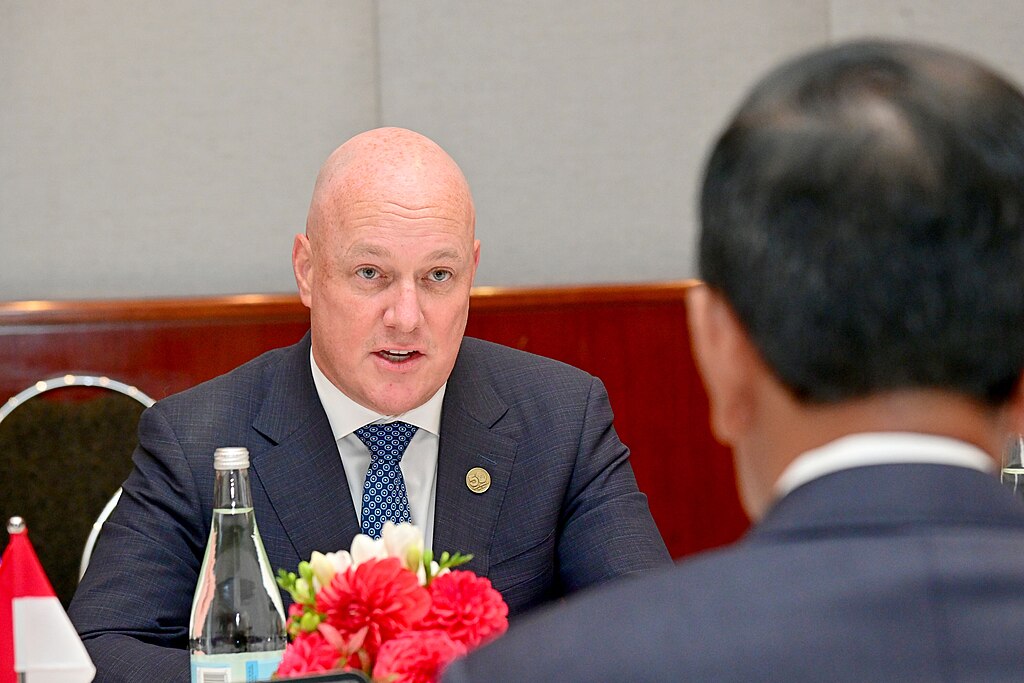
New Zealand Prime Minister Christopher Luxon called the escalation “a really unwelcome development,” adding that “the region does not need any more military action,” and warned of the heightened risk of miscalculation.
Japan’s Chief Cabinet Secretary Yoshimasa Hayashi reiterated Tokyo’s commitment to preventing further escalation and ensuring the safety of Japanese nationals abroad, stating Japan is pursuing all diplomatic avenues to stabilize the situation.
The airstrikes mark a sharp escalation in Middle East tensions, drawing global scrutiny as fears of a broader conflict mount. With the region already on edge following months of unrest, world leaders continue to urge restraint, dialogue, and a renewed focus on diplomacy to avoid full-scale war.







