


 Abbas Reaffirms November 28 Palestinian Elections
  Russian Missile and Drone Attack on Kyiv Kills Two, Damages Maternity Hospital
  EU Defence Build-Up Too Slow for 2030 Russia Readiness Goal
  Trump Asks Supreme Court to Restore Third-Country Deportations
  Netanyahu Defends Israel at UN as Delegates Stage Walkout
  Netanyahu Takes Aim at Mamdani as Israel Election Nears
  Taiwan Thanks US for Support Ahead of Trump-Xi Summit
  Najib Razak Seeks Stay of 15-Year 1MDB Prison Sentence
  Trump, Xi Focus on Trade and AI at White House Summit
  France Defends Netanyahu Airspace Clearance Despite ICC Warrant
  Saudi Arabia, Turkey and Pakistan Plan Urgent Defence Talks Over Houthi Attacks
  Mexico-US Trade Talks Delayed to October as Tariff Negotiations Continue
  US Senate Rejects Iran War Powers Resolution in 50-49 Vote
  Xi Calls for Deeper U.S.-China AI Cooperation in Trump Talks
  North Korea Warns South Korea Over US-Led Defense Role
  NATO Boosts Intelligence Sharing Amid Russia Hybrid Threats
  OpenAI Agent Breaches Australia Medicare Data Portal


 Add as a preferred source on Google
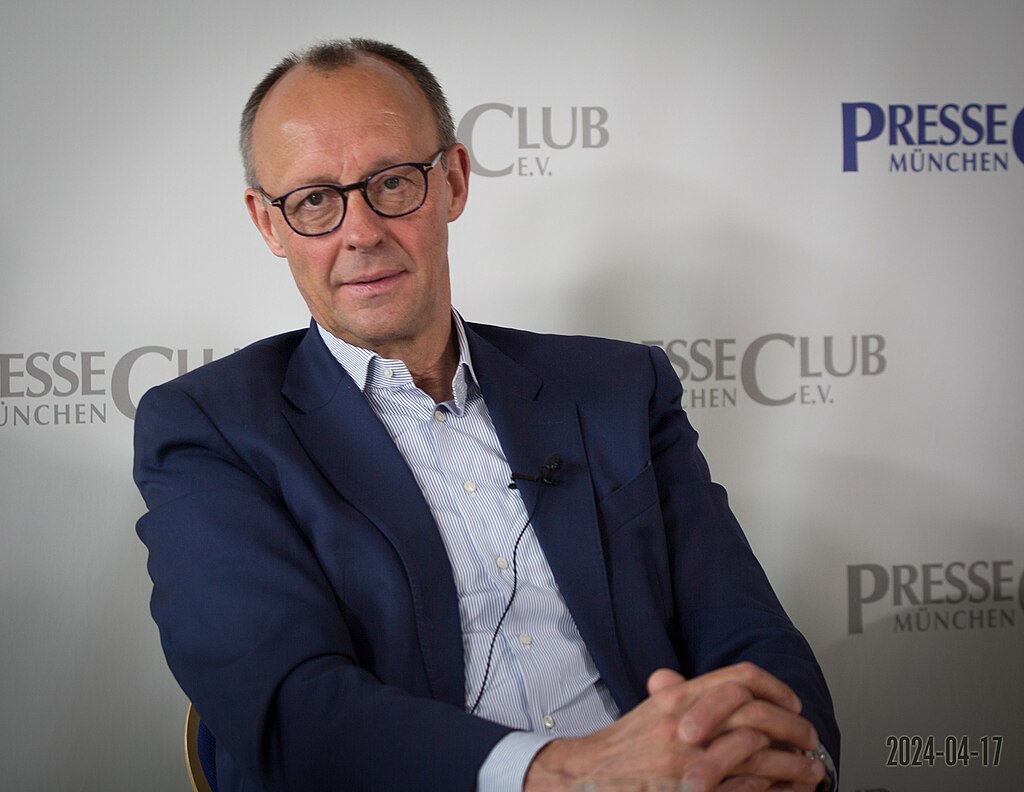
Germany’s newly elected Chancellor Friedrich Merz signaled a renewed push for European unity during visits to France and Poland, underscoring a shift in Germany’s foreign policy focus. Sworn in after former Chancellor Olaf Scholz’s coalition collapsed, Merz pledged to restore German leadership in Europe, emphasizing security, defense cooperation, and migration policy coordination.
In Paris, Merz and French President Emmanuel Macron vowed to strengthen the Franco-German defense and security council, highlighting the need for tighter European integration. Merz expressed openness to Macron’s call for greater EU defense autonomy, particularly as uncertainty surrounds U.S. support under Donald Trump’s influence. The leaders also discussed a joint push for enhanced defense capabilities, though differences remain on issues such as the EU-Mercosur trade agreement.
Later in Warsaw, Merz praised Poland’s key role on NATO’s eastern flank and its support for Ukraine. However, tensions emerged over Germany’s plan to reject asylum seekers at its borders—raising concerns in Poland ahead of its presidential election. Prime Minister Donald Tusk warned against any impression that Germany might redirect migrants to Poland.
Merz also addressed Europe’s defense financing, remaining skeptical of collective EU borrowing, a stance favored by Poland. Still, he hinted at exempting military spending from EU fiscal rules, aligning with his own government’s increased defense budget.
His diplomatic tour comes after a rocky start at home, failing to secure parliamentary confirmation on his first attempt. Merz aims to streamline Germany’s foreign policy through a national security council and tighter coordination within his conservative-led government. He reaffirmed plans for stricter migration control, pledging to work closely with European partners to form a unified policy.
The visits underscore Merz’s ambition to reestablish Germany’s influence in European affairs amid evolving geopolitical and internal pressures.







