


 Kremlin Says No Decision Yet on Putin-Trump December Summit
  Russian Missile and Drone Attack on Kyiv Kills Two, Damages Maternity Hospital
  North Korea Rejects Nuclear Test Warning, Calls Nuclear Status Irreversible
  Abbas Reaffirms November 28 Palestinian Elections
  Xi Calls for Deeper U.S.-China AI Cooperation in Trump Talks
  Pezeshkian Says US Must Choose When Iran War Ends
  Taiwan Thanks US for Support Ahead of Trump-Xi Summit
  Netanyahu Defends Israel at UN as Delegates Stage Walkout
  What ‘Taiwan Independence’ Means as Xi Presses Trump on US Policy
  Trump, Xi Visit US National Archives After White House Summit
  US Backs Musk in Fight Against EU’s €120 Million X Fine
  NATO Boosts Intelligence Sharing Amid Russia Hybrid Threats
  US Senate Rejects Iran War Powers Resolution in 50-49 Vote
  Ghana Says Western Support Growing for Slave Trade Reparations
  Netanyahu Takes Aim at Mamdani as Israel Election Nears
  Netanyahu’s Brief US Trip Highlights Strains With Trump
  Mexico-US Trade Talks Delayed to October as Tariff Negotiations Continue


 Add as a preferred source on Google
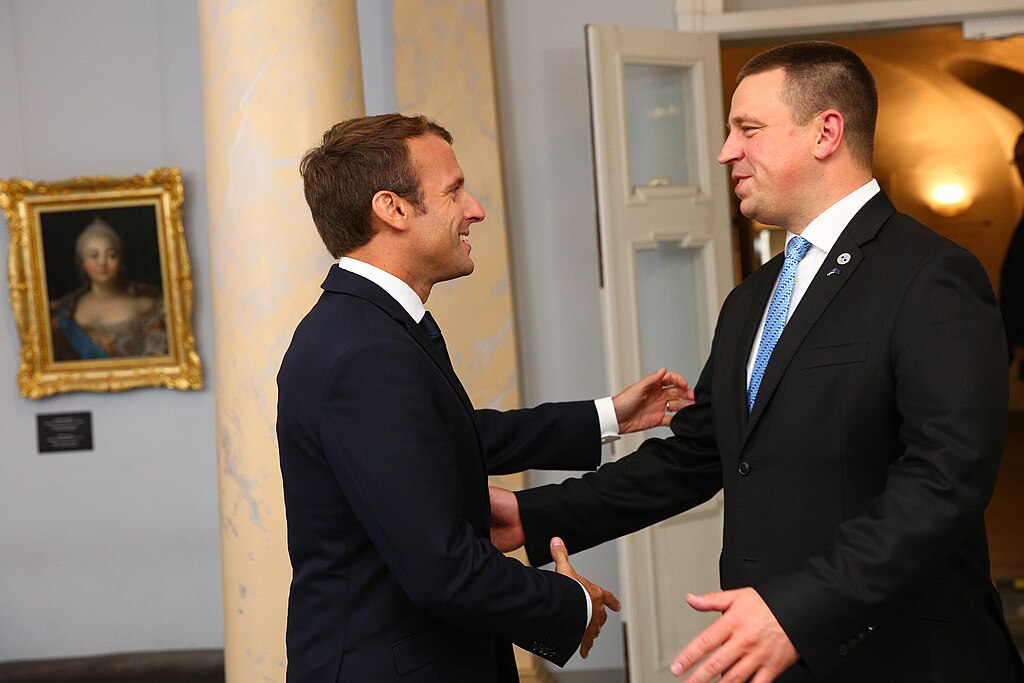
France and Poland are set to sign a landmark bilateral treaty on Friday aimed at boosting cooperation in defense and energy, signaling a shift toward stronger intra-European security ties amid growing doubts over long-term U.S. commitment to NATO.
The agreement, to be signed in the French city of Nancy, underscores Poland’s growing strategic importance on Europe’s eastern flank. As a NATO member and the alliance’s highest defense spender at 4.12% of GDP, Poland is increasingly central to European security efforts.
Polish Prime Minister Donald Tusk emphasized that the treaty will include mutual defense commitments and could open discussions on extending France’s nuclear deterrence—also known as the French nuclear umbrella—to Poland. While not replacing the U.S. security guarantee, French officials said this move would serve as a complementary shield.
Tusk clarified the pact is not a substitute for ties with Washington: “We need both America and a strong European Union.” His pro-European government seeks to diversify its security alliances as former U.S. President Donald Trump’s stance on NATO raises concerns.
The treaty marks the first of its kind between France and a Central European nation, following similar pacts with Germany, Italy, and Spain. It comes just a day after the 80th anniversary of World War II's end, coinciding with Russia’s military parade attended by Chinese President Xi Jinping.
The historic location of the signing—Nancy—also honors shared Franco-Polish history, being the residence of former Polish King Stanislaw Leszczynski.
This pact represents a significant step in France’s broader push for EU strategic autonomy and reinforces Poland’s emergence as a key player in shaping Europe’s collective defense posture.







