


 Republican Lawmaker Introduces AI Incident Reporting Bill to Strengthen U.S. AI Safety
  NATO Chief Tries to Ease Trump Alliance Dispute
  Trump Requests $11 Billion More in Farm Aid as Rising Costs Pressure U.S. Farmers
  White House Seeks $87.6 Billion Emergency Funding for Iran War, Farmers, and Ebola Response
  U.S. Eases Iran Team Travel Restrictions Ahead of Seattle World Cup Match
  US Seeks Gulf Support for Iran Peace Deal Amid Regional Tensions
  Young Brazilian Voters Shift Right Ahead of 2026 Election
  U.S. Reviewing Potential F-35 Fighter Jet Sale to Turkey Amid S-400 Dispute
  Marco Rubio Reassures Gulf Allies Over U.S.-Iran Peace Deal
  Crimea Power Outage After Ukrainian Drone Attack, Russian Authorities Say
  Johns Hopkins University Lays Off 110 Employees as Federal Research Funding Declines
  Bessent Says U.S. Must Strengthen Supply Chains and Economic Security
  US Reaffirms Taiwan Arms Sales Policy Despite Trump’s Comments on China
  US Mobilizes Aid After Powerful Earthquakes Devastate Venezuela
  Japan Signals Preference for Low Interest Rates as BOJ Policy Debate Intensifies


A second fatal shooting by federal agents in Minneapolis has pushed President Donald Trump’s aggressive immigration crackdown into the center of national politics, amplifying election-year tensions for both Republicans and Democrats. Two U.S. citizens have been killed this month during clashes linked to a sweeping federal immigration enforcement operation, raising questions about ICE tactics, public safety, and government accountability.
The most recent death involved Alex Pretti, an ICU nurse who was legally armed while attending a protest against the operation. His killing has intensified criticism from Democrats and alarmed gun rights advocates, complicating Republican efforts to defend the administration’s hard-line immigration stance. Earlier this month, another Minneapolis resident, Renee Good, was also killed during a confrontation tied to the same federal operation.
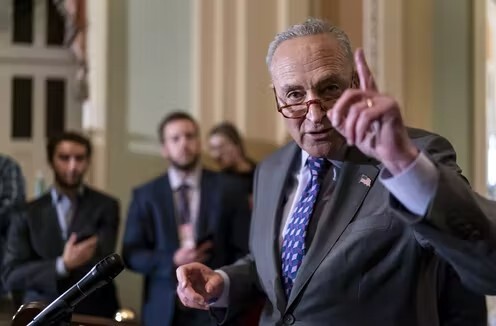
Senate Majority Leader Chuck Schumer announced that Democrats would oppose any government funding bill that includes money for the Department of Homeland Security agencies overseeing ICE and Customs and Border Protection unless reforms are addressed. With a January 30 deadline to avoid a partial government shutdown, immigration enforcement has become a flashpoint in budget negotiations. Even moderate Democrats, traditionally cautious about appearing anti-law enforcement, have joined calls to overhaul ICE operations, arguing that current tactics endanger citizens and law-abiding immigrants.
President Trump has doubled down, asserting on social media that the Minneapolis operation was central to his electoral success and blaming Democrats for what he described as chaos. However, recent polling shows significant public unease. While Democratic voters overwhelmingly oppose the enforcement surge, nearly 40% of Republicans and a strong majority of independents say authorities should prioritize minimizing harm, even if it results in fewer immigration arrests.
Republican lawmakers are also expressing concern. Senators from both parties have called the shootings disturbing and urged investigations into training, accountability, and use-of-force policies. Viral videos showing masked federal agents in tactical gear confronting civilians have fueled bipartisan discomfort, especially as voters face economic pressures ahead of midterm elections.
Minnesota Governor Tim Walz and local officials reject the administration’s narrative, saying federal actions are escalating tensions rather than improving safety. As Democrats frame the operation as government overreach and Republicans grapple with internal divisions, the Minneapolis ICE shootings are emerging as a defining issue in the broader debate over immigration enforcement, civil liberties, and federal power in America.







