


 Trump Board of Peace Unveils $2.45 Billion Gaza Recovery Plan
  Trump Scales Back Endangered Species Act Protections
  Trump Says U.S.-Iran Peace Deal Near After UN Talks
  Macron Challenges Trump’s Gaza Peace Claims at UN
  Canada Unveils Bill to Fast-Track Major Resource Projects
  China Tightens Fentanyl Rules Ahead of Trump-Xi Summit
  Scott Bessent Eyed as Trump’s New AI Czar
  US Plans Two New Military Bases in Greenland Under Arctic Deal
  UK, Mauritius Seek Diego Garcia Base Deal
  Trump Says ‘Freedom’ Is Coming to Cuba
  Macron, Trump Discuss Ukraine-Russia Energy Strike Moratorium
  Marco Rubio to Meet Russia’s Lavrov in New York
  Lula Meets Mamdani in New York as Elections Approach
  Kremlin Says No Grounds Yet for Ukraine Peace Talks
  Russian Strikes Kill Eight Across Ukraine as Energy Sites Hit
  Paramount-Warner Bros $110 Billion Deal Draws Antitrust Backlash
  Taiwan Vows to Advance US Arms Sales Ahead of Trump-Xi Meeting


 Add as a preferred source on Google
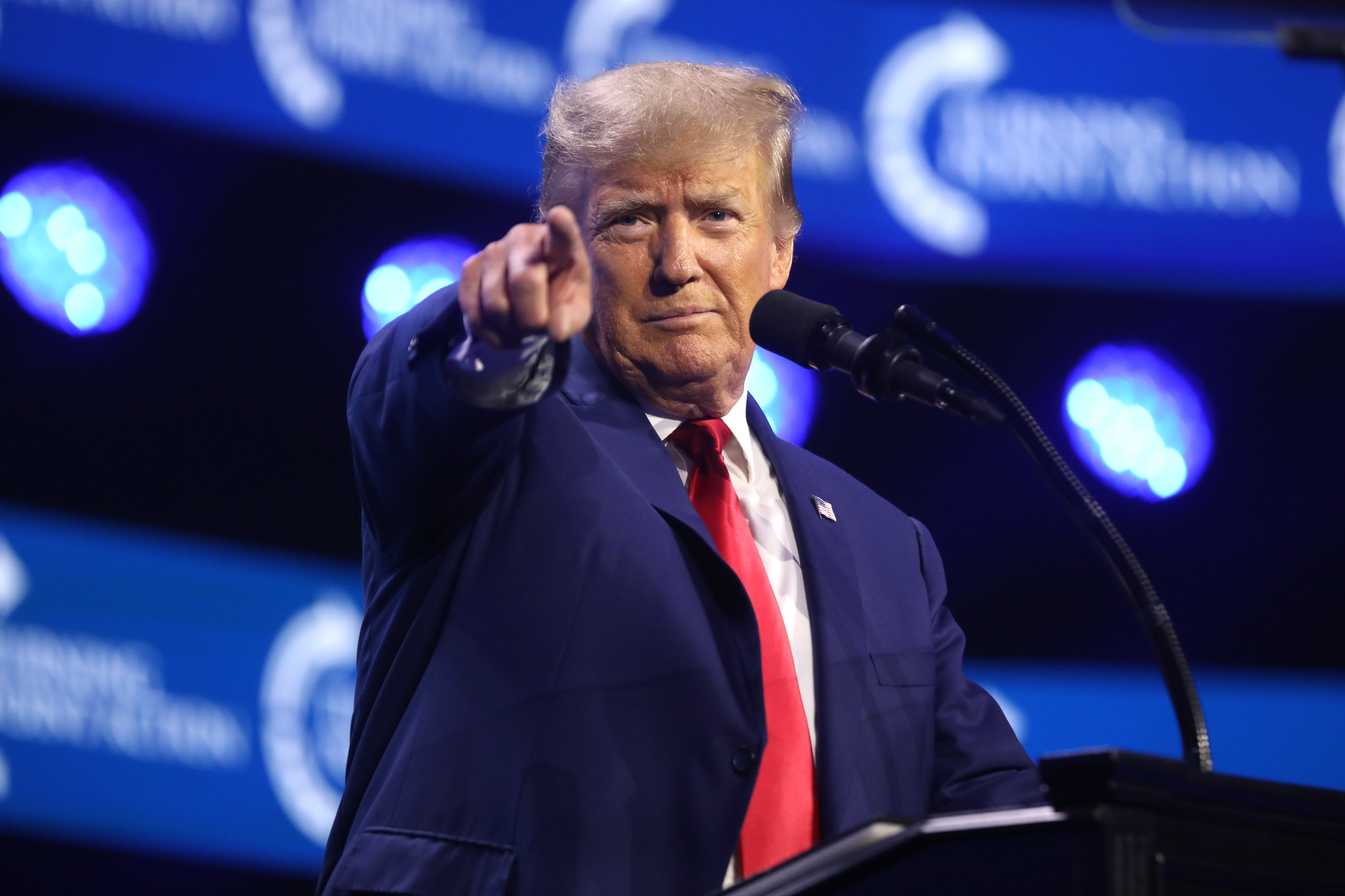
The Federal Bureau of Investigation remains uncertain about the specifics of the attempted assassination of former President Donald Trump, according to FBI Director Christopher Wray. During a marathon testimony on Wednesday, Wray disclosed that investigators are still unsure whether Trump was grazed by a bullet or a piece of shrapnel during the incident at a rally in Butler, Pennsylvania.
Throughout the lengthy session, Wray reiterated that the FBI is working diligently to determine what exactly struck Trump's right ear during the attack. He informed Rep. Kevin Kiley (R-Calif.) that the injury might have been caused by either a bullet or shrapnel, The Daily Mail.
The ambiguity surrounding the incident was further highlighted when Committee Chair Rep. Jim Jordan (R-Ohio) questioned Wray about the trajectory and final locations of the eight bullets fired by the assailant, Thomas Matthew Crooks. Wray admitted that the exact nature of what hit Trump's ear remains under investigation, leaving open the possibility that the bullet or shrapnel could have ended up elsewhere after causing the grazing wound.
The lack of clarity on whether Trump was struck by a bullet or shrapnel has not been resolved since the attack. Trump had described the event at the Republican National Convention shortly after the assassination attempt, recalling a loud whizzing sound and a forceful impact on his right ear.
In the days following the shooting, Rep. Ronny Jackson (R-Texas), Trump's former White House physician, examined the wound and suggested that the bullet was far enough from Trump's head to avoid a concussive effect, merely grazing the top of his ear.
Wray's testimony also shed light on new insights into the investigation. It was revealed that Crooks had researched details about the distance between the shooter and President John F. Kennedy during his assassination in 1963, suggesting a methodical approach to his attack on Trump.
Despite the ongoing investigation, Trump took to Truth Social to criticize Wray during the hearing, not for the handling of the assassination attempt, but for Wray's comments about his interactions with President Biden being "uneventful and unremarkable." Trump called for Wray's resignation, showcasing his continued discontent with the FBI director.
As the investigation continues, the FBI remains committed to uncovering the full details of the attempted assassination, ensuring that all aspects of the incident are thoroughly examined. The uncertainty over what struck Trump highlights the complexities and challenges faced by investigators in high-profile cases such as this.







