


 Mexico-US Trade Talks Delayed to October as Tariff Negotiations Continue
  Europe Warns Russia Is Escalating Hybrid Attacks Across NATO
  US, China Extend Trade Truce to Jan. 10 Ahead of Trump-Xi Summit
  Trump, Xi Focus on Trade and AI at White House Summit
  Kremlin Says No Decision Yet on Putin-Trump December Summit
  South Korea, US Discuss Warship Building Cooperation
  Netanyahu Takes Aim at Mamdani as Israel Election Nears
  US Senate Rejects Iran War Powers Resolution in 50-49 Vote
  Ghana Says Western Support Growing for Slave Trade Reparations
  Trump Asks Supreme Court to Restore Third-Country Deportations
  Gaza Faces Evacuation Crisis as War-Damaged Buildings Risk Collapse
  Russian Envoy Dmitriev Heads to US for Ukraine Talks
  US Invites Putin to Miami G20, Opening Door to Trump Summit
  North Korea Rejects Nuclear Test Warning, Calls Nuclear Status Irreversible
  NATO Boosts Intelligence Sharing Amid Russia Hybrid Threats
  Abbas Reaffirms November 28 Palestinian Elections
  Netanyahu Defends Israel at UN as Delegates Stage Walkout


 Add as a preferred source on Google
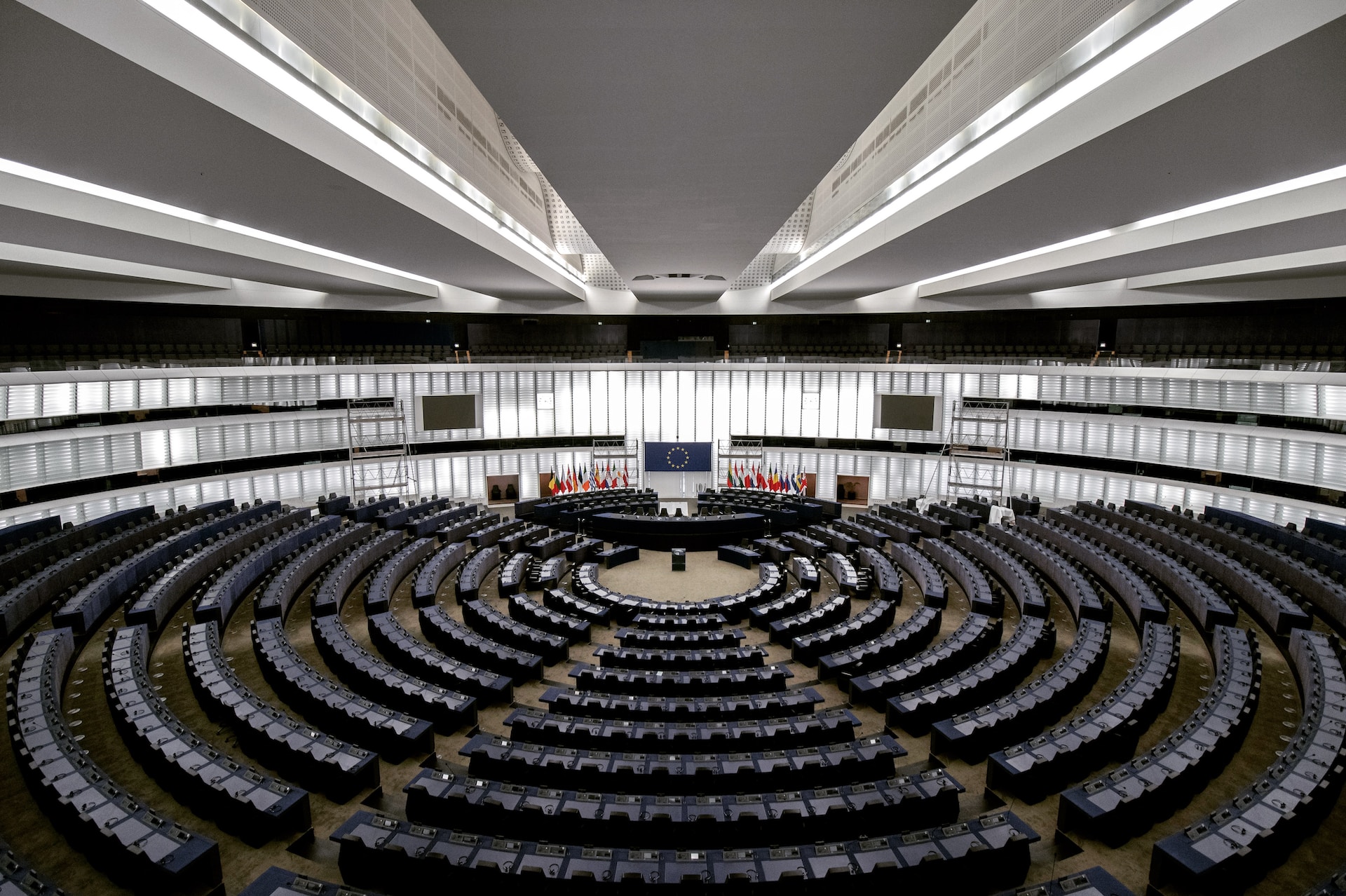
The European Parliament has delayed voting on the approval of new EU renewable energy targets. The delay was due to last-minute opposition filed by France and several other countries.
According to an internal email seen by Reuters, the EU parliament will postpone the planned vote on new renewable energy targets following the last-minute opposition filed by France, Bulgaria, Poland, and Romania to the law last week. The vote on the legislation was expected to take place on Tuesday but has run into opposition from several countries who said they would not support it. The email said the vote was postponed until June, but no specific date was determined.
This comes as the bloc is looking to finalize a key aspect of its climate agenda – a law that had a binding goal for the EU to get 42.5 percent of its energy from renewable sources by 2030.
The delay in the vote risks postponing the approval of the policy until September after the EU summer recess. The approval by parliament and EU member countries of the law was originally a formality, following what was supposed to be the agreement reached by negotiators on both sides.
However, France wants to include the recognition of low-carbon nuclear energy, saying that the proposed rules discriminate against the use of hydrogen taken from nuclear power by not allowing the countries to count the low-carbon fuel to the renewable energy targets for industry. Poland, Bulgaria, and Romania were also not happy with the proposed rules for a range of reasons, including some capitals citing that the target was too ambitious.
Sweden, which holds the bloc’s rotating presidency, said talks are already taking place to resolve the matter.
Meanwhile, the bloc and South Korea agreed on Monday to boost security cooperation at a time of tensions over North Korea’s ongoing nuclear and missile programs as well as Russia’s invasion of Ukraine. South Korean President Yoon Suk-yeol held a summit with European Commission President Ursula von der Leyen and European Council President Charles Michel, during which the leaders also agreed to cooperate on matters of health, supply chains, and climate change.
Photo: Frederic Koberl / Unsplash







