


 US, China Extend Trade Truce to Jan. 10 Ahead of Trump-Xi Summit
  Russian Strikes Kill Eight Across Ukraine as Energy Sites Hit
  Trump Says U.S.-Iran Peace Deal Near After UN Talks
  Iran Vows ‘Crushing’ Response as US Talks Continue
  Canada Unveils Bill to Fast-Track Major Resource Projects
  Trump Meets Venezuela’s Delcy Rodriguez at UN Assembly
  Taiwan Vows to Advance US Arms Sales Ahead of Trump-Xi Meeting
  China Tightens Fentanyl Rules Ahead of Trump-Xi Summit
  Marco Rubio to Meet Russia’s Lavrov in New York
  Ghana Says Western Support Growing for Slave Trade Reparations
  Vietnam, US Trade Deal Could Be Signed Soon, To Lam Says
  Sudan Rejects US Legitimacy Remarks, Defends Sovereignty
  Europe Warns Russia Is Escalating Hybrid Attacks Across NATO
  Lula and Flavio Bolsonaro Tied in Brazil Runoff Poll
  US Officials Split Over Response to Israeli West Bank Settlements
  Macron, Trump Discuss Ukraine-Russia Energy Strike Moratorium
  Burnham Eyes UK Leadership Role in AI Ahead of Trump Meeting


 Add as a preferred source on Google
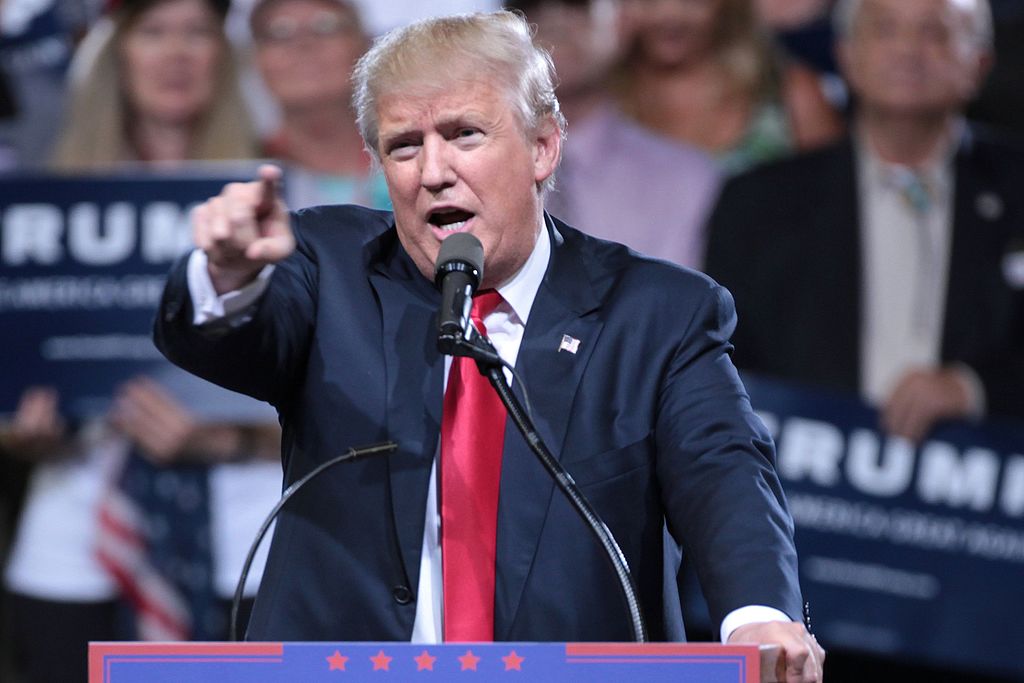
In his 2025 policy agenda, President Donald Trump has pledged to restore and protect free speech across the United States. This initiative, announced early in his administration, seeks to address what Trump and his supporters perceive as widespread censorship on social media, in education, and within corporate environments.
While the plan has garnered praise from conservatives and free speech advocates, it has also sparked concerns over its potential implications. Critics argue that the policies might blur the lines between protecting freedom of expression and promoting partisan narratives.
Trump’s free speech policies center on limiting content moderation by social media companies. He has called for tighter regulations on platforms like X (formerly Twitter), Facebook, and YouTube, accusing them of stifling conservative voices. His administration has also floated the idea of revoking Section 230 of the Communications Decency Act, which shields platforms from liability for user-generated content.
Additionally, Trump has proposed new laws to prevent colleges and universities from restricting speech on campuses. Institutions found to suppress differing viewpoints could face penalties, including cuts to federal funding. The administration claims these measures will foster open dialogue and intellectual diversity, but opponents worry they could disproportionately target progressive institutions.
Debates Over Speech Protections and Limitations
Trump’s renewed focus on free speech has intensified debates on how far protections should extend. Supporters view his agenda as a necessary countermeasure against what they describe as “cancel culture.” They argue that open expression is under attack and that regulatory oversight is critical to ensure all voices are heard.
Critics, however, warn that such policies may have unintended consequences. Revoking Section 230, they argue, could lead to increased censorship as platforms aim to avoid liability. Furthermore, some see the crackdown on educational institutions as a politically motivated effort to suppress liberal ideologies.
Civil liberties organizations like the American Civil Liberties Union (ACLU) have expressed reservations, emphasizing the delicate balance between free expression and accountability. “While combating censorship is important, we must tread carefully to avoid enabling harmful rhetoric,” an ACLU representative said.
Social media companies have also pushed back, stating that moderation is necessary to prevent the spread of disinformation, hate speech, and harmful content. Meta (formerly Facebook) released a statement urging policymakers to collaborate on balanced regulations rather than sweeping changes.
Netizens React to Trump’s Free Speech Plan
Trump’s policy has sparked a heated online debate, with users on X voicing contrasting opinions:
- @FreeThinkerUSA: “Finally, someone is standing up for free speech! Let’s end the censorship and bring back open dialogue. #FreeSpeech”
- @Educator4Equality: “This is not about free speech. It’s about controlling narratives and punishing dissent. #SpeechMatters”
- @LibertyNow: “Trump’s Section 230 move will fix the bias problem. Big Tech has been censoring us for years! #StopTheSilencing”
- @ACLUVoice: “Free speech is vital, but at what cost? These policies could create more problems than solutions. #CarefulReforms”
- @CampusDebater: “If colleges can’t decide their own policies, are they really free institutions? This is government overreach. #EducationMatters”
- @TruthDefender: “This will save America from woke ideology. Trump is right to defend conservative voices. #CancelCultureCrisis”
Balancing Free Expression and Regulation
Trump’s free speech agenda represents a bold push to redefine the boundaries of expression in the United States. Supporters see it as a vital step to safeguard individual liberties and counter perceived bias. However, critics argue that the proposed policies could lead to regulatory overreach and unintended consequences, particularly for online platforms and academic institutions.
As Trump’s administration moves forward, these initiatives will undoubtedly face legal and public scrutiny. Whether these policies succeed in their stated goals or ignite further controversy remains to be seen.







