


 US, China Extend Trade Truce to Jan. 10 Ahead of Trump-Xi Summit
  South Korea, US Discuss Warship Building Cooperation
  Macron, Trump Discuss Ukraine-Russia Energy Strike Moratorium
  Russian Strikes Kill Eight Across Ukraine as Energy Sites Hit
  Venezuela Promises Elections as Delcy Rodriguez Pledges Democratic Transition
  Trump Meets Venezuela’s Delcy Rodriguez at UN Assembly
  US Invites Putin to Miami G20, Opening Door to Trump Summit
  Russian Envoy Dmitriev Heads to US for Ukraine Talks
  Trump Administration Plans Faster FDA Reviews for Smoke-Free Nicotine Products
  Gaza Faces Evacuation Crisis as War-Damaged Buildings Risk Collapse
  Iran Vows ‘Crushing’ Response as US Talks Continue
  Trump to Press Xi on Release of US Nuclear Expert Held in China
  Europe Warns Russia Is Escalating Hybrid Attacks Across NATO
  Burnham Eyes UK Leadership Role in AI Ahead of Trump Meeting
  Scott Bessent Eyed as Trump’s New AI Czar
  Trump Says ‘Freedom’ Is Coming to Cuba
  Lula and Flavio Bolsonaro Tied in Brazil Runoff Poll


 Add as a preferred source on Google
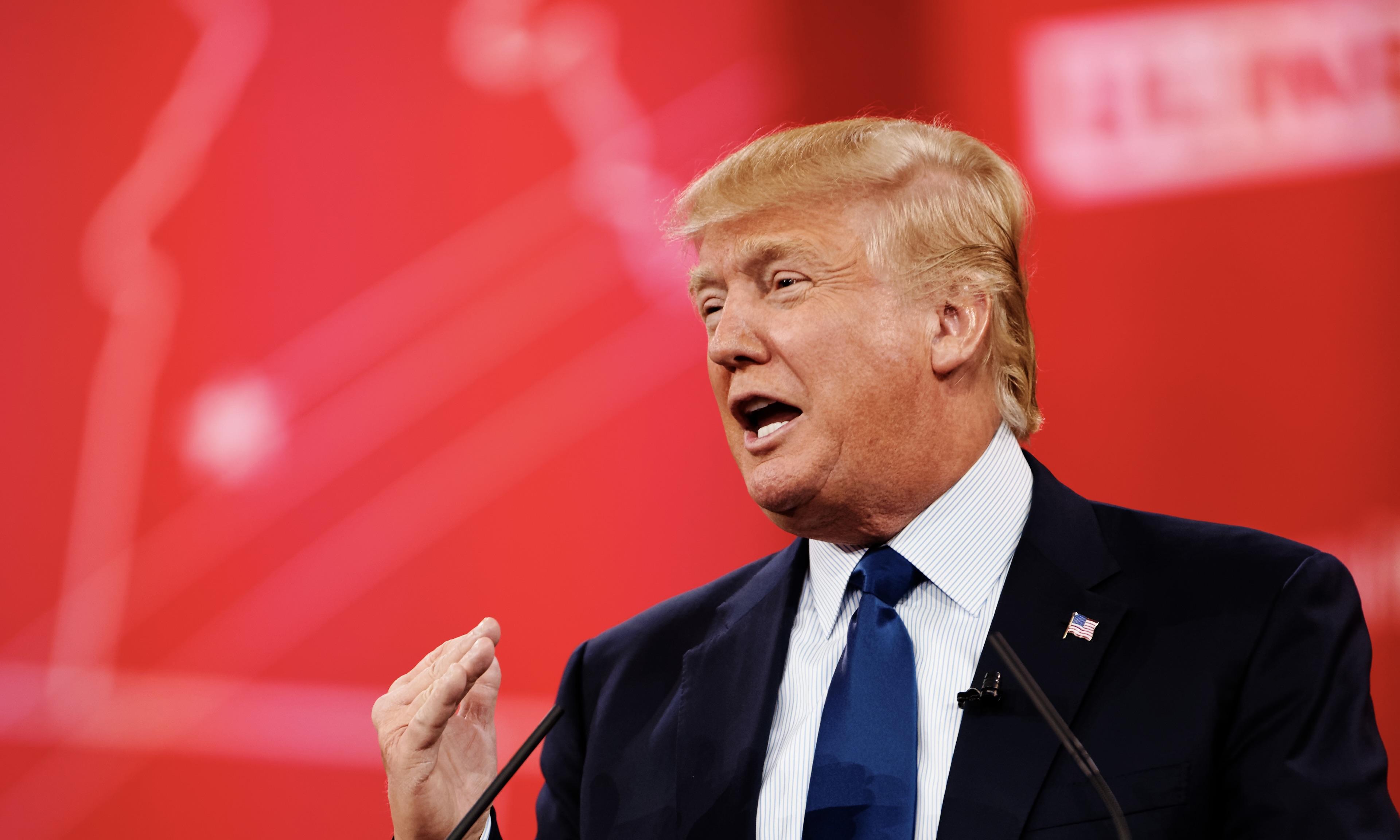
President Donald Trump has unveiled a sweeping initiative aimed at protecting intellectual property (IP) rights in 2025, emphasizing both domestic innovation and a tougher stance on international violations. As part of his broader economic vision, Trump is prioritizing stricter enforcement mechanisms, increased penalties for violators, and an international crackdown on counterfeit goods.
While the policies have received praise from U.S. industries reliant on intellectual property, they have also sparked global debate. Critics argue that the measures may create tensions with international trading partners, particularly China, which has historically been a focal point of IP disputes.
Trump's plan includes heightened federal support for American inventors and creators, as well as initiatives to work closely with tech firms, entertainment industries, and pharmaceutical companies. The administration asserts that protecting IP is essential to ensuring America’s competitive edge on the global stage.
Global Implications and Controversy Over Trade Policies
Central to Trump’s 2025 IP agenda is an aggressive push to counter international theft of intellectual property. The administration has announced plans to impose severe trade restrictions on countries that fail to curb IP violations, with China and other manufacturing-heavy nations under heightened scrutiny. This approach builds on Trump’s earlier tariffs, which targeted intellectual property theft during his first term.
Critics warn, however, that such measures could destabilize trade relations. Trade experts suggest that targeting IP issues through tariffs may provoke retaliatory actions, potentially harming American exporters in other industries.
In addition to trade-related measures, Trump’s administration is increasing penalties for domestic IP violations, including counterfeiting and patent infringement. These policies aim to create a robust deterrent to protect U.S. companies and innovators. However, some advocacy groups have raised concerns about potential overreach, arguing that small businesses and startups could face disproportionate consequences.
Netizens React: Praise, Skepticism, and Criticism
The announcement of Trump’s intellectual property policies has sparked significant debate on social media, with netizens weighing in on both the domestic and international implications.
- @IPAdvocateUSA: “Finally, an administration that takes intellectual property seriously! This will boost innovation and protect American jobs. #InnovationMatters”
- @GlobalTradeGuru: “Tariffs as an IP strategy? Sounds like we’re heading for another trade war. Not good for business. #ThinkGlobal”
- @TechCreator99: “About time someone defended U.S. creators! Counterfeit goods have hurt the tech industry for too long. #TrumpIP2025”
- @SmallBizFighter: “More regulations could mean more hurdles for small startups like mine. Is this really helping all innovators? #SmallBizConcerns”
- @TradeWatchdog: “Aggressive tariffs won’t fix IP theft. We need global collaboration, not isolation. #TradePolicyFail”
- @PatentPro247: “Great news for inventors! Stronger penalties will make IP theft less appealing. Let’s protect creativity. #ProtectIP”
Balancing Innovation and Global Trade
While Trump’s IP agenda has garnered praise from key industries, it also highlights the complexities of balancing domestic innovation with international trade relations. Legal experts caution that overly aggressive enforcement could stifle competition or discourage foreign investment in the United States.
Professor Sandra Ellis, a trade policy analyst, stated, “Protecting intellectual property is vital, but it must be implemented in a way that fosters collaboration rather than division.” She also emphasized the need for bipartisan support to ensure policies remain effective and fair.
As the Trump administration moves forward with these policies, global partners, U.S. businesses, and advocacy groups will closely monitor their effects. Whether the plan will solidify America’s position as a leader in innovation or strain international ties remains to be seen.







