


 Iran Vows ‘Crushing’ Response as US Talks Continue
  Macron, Trump Discuss Ukraine-Russia Energy Strike Moratorium
  US, China Extend Trade Truce to Jan. 10 Ahead of Trump-Xi Summit
  South Korea, US Discuss Warship Building Cooperation
  Kremlin Says No Grounds Yet for Ukraine Peace Talks
  Canada Unveils Bill to Fast-Track Major Resource Projects
  Marco Rubio to Meet Russia’s Lavrov in New York
  US Invites Putin to Miami G20, Opening Door to Trump Summit
  Russian Strikes Kill Eight Across Ukraine as Energy Sites Hit
  Scott Bessent Eyed as Trump’s New AI Czar
  Gaza Faces Evacuation Crisis as War-Damaged Buildings Risk Collapse
  Taiwan Vows to Advance US Arms Sales Ahead of Trump-Xi Meeting
  Lula and Flavio Bolsonaro Tied in Brazil Runoff Poll
  Macron Challenges Trump’s Gaza Peace Claims at UN
  Burnham Eyes UK Leadership Role in AI Ahead of Trump Meeting
  Trump Meets Venezuela’s Delcy Rodriguez at UN Assembly
  China Tightens Fentanyl Rules Ahead of Trump-Xi Summit


 Add as a preferred source on Google
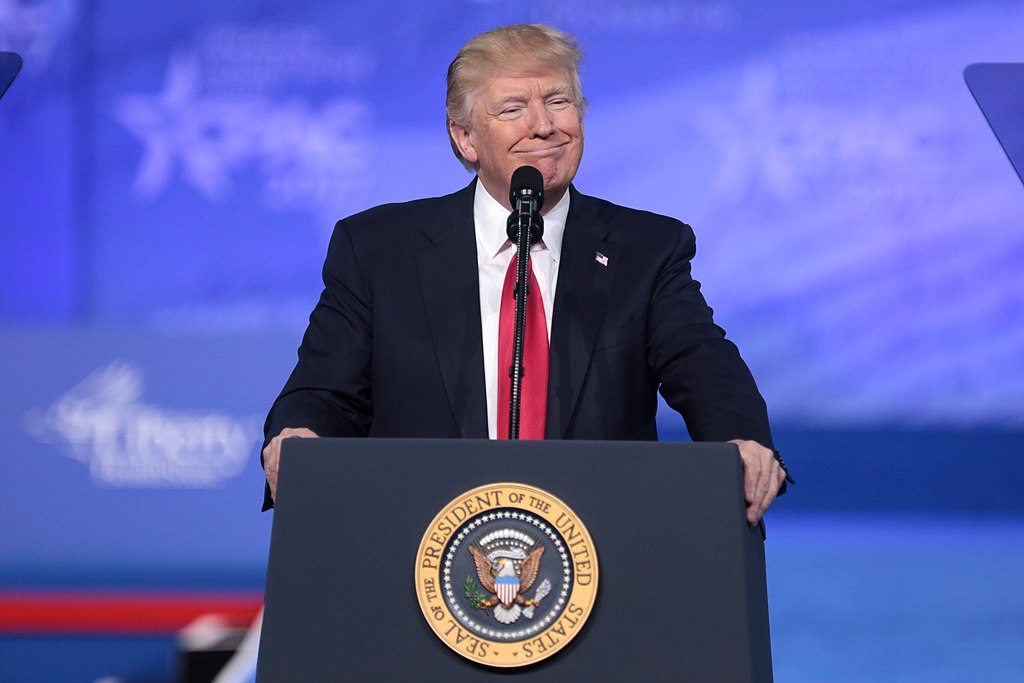
As President Donald Trump begins his second term in 2025, his administration’s approach to minimum wage policy is drawing sharp criticism and praise from opposing sides. Trump has reiterated his belief that the federal government should not mandate a higher minimum wage, emphasizing the role of market dynamics and state autonomy in determining wage floors. This decision has reignited debates over economic inequality and the struggles faced by low-income workers.
During his first term, Trump rejected proposals to increase the federal minimum wage from $7.25 an hour, a figure unchanged since 2009. His administration argued that wage increases should be left to individual states, citing varied economic conditions and costs of living across the country. In 2025, the same stance remains central to his administration's economic policy.
Supporters Call for State Flexibility, Critics Cite Rising Costs
Supporters of Trump’s stance argue that a uniform federal minimum wage increase could harm small businesses, especially in rural areas where operating costs are lower. They believe that state and local governments are better positioned to decide appropriate wage levels for their populations. Proponents also claim that artificially inflating wages could lead to job cuts, increased automation, and higher consumer prices.
Critics, however, paint a starkly different picture. Labor unions and workers' rights advocates have highlighted the increasing cost of living and the struggles of low-wage earners. They argue that a higher federal minimum wage is necessary to address economic inequality and improve the standard of living for millions of Americans.
Shannon Riley, a policy analyst at the Economic Justice Institute, said, “The reality is that $7.25 is no longer a livable wage anywhere in the country. States alone cannot fix this issue.”
Netizens have also weighed in, with mixed reactions online:
- @FairWage2025: “$7.25 is not a livable wage. People are struggling while billionaires get richer. #RaiseTheWage”
- @FreeMarketRules: “Wages should reflect market demand, not government mandates. Trump's decision is the right one for businesses. #Trump2025”
- @JusticeForWorkers: “Leaving wage increases to the states is a cop-out. Workers deserve better. #LivingWageNow”
- @SmallBizOwner23: “A federal hike would crush my business. State-level decisions make more sense. #SupportSmallBusiness”
- @WorkingClassHero: “How are families supposed to survive on $7.25? This policy shows a lack of compassion.”
- @TrumpFan2025: “Trump is protecting jobs by rejecting unrealistic wage hikes. States should have the power to decide. #TrumpEconomy”
Economic Implications of Wage Stagnation
Economists remain divided on Trump’s approach. Opponents warn that stagnant wages will exacerbate income inequality and push more families into poverty. Meanwhile, advocates for a decentralized approach say the policy will prevent job losses and keep small businesses afloat.
Reports from the U.S. Department of Labor reveal that 20 states still adhere to the federal minimum wage, leaving millions of workers earning $7.25 per hour. Critics argue that without federal intervention, these workers will continue to fall behind as inflation erodes their purchasing power.
As debates continue, the political fallout from Trump’s decision on the minimum wage is likely to influence discussions on broader economic policy and income inequality in 2025.







