


 Trump Administration Plans Faster FDA Reviews for Smoke-Free Nicotine Products
  Trump Says ‘Freedom’ Is Coming to Cuba
  Canada Unveils Bill to Fast-Track Major Resource Projects
  Russian Strikes Kill Eight Across Ukraine as Energy Sites Hit
  Trump to Press Xi on Release of US Nuclear Expert Held in China
  US Officials Split Over Response to Israeli West Bank Settlements
  Marco Rubio to Meet Russia’s Lavrov in New York
  Macron, Trump Discuss Ukraine-Russia Energy Strike Moratorium
  Venezuela Promises Elections as Delcy Rodriguez Pledges Democratic Transition
  Gaza Faces Evacuation Crisis as War-Damaged Buildings Risk Collapse
  Taiwan Vows to Advance US Arms Sales Ahead of Trump-Xi Meeting
  Ghana Says Western Support Growing for Slave Trade Reparations
  Trump Board of Peace Unveils $2.45 Billion Gaza Recovery Plan
  Zelenskiy Warns Russia Preparing Major Attack on Ukraine
  Vietnam, US Trade Deal Could Be Signed Soon, To Lam Says
  Macron Challenges Trump’s Gaza Peace Claims at UN
  US, China Extend Trade Truce to Jan. 10 Ahead of Trump-Xi Summit


 Add as a preferred source on Google
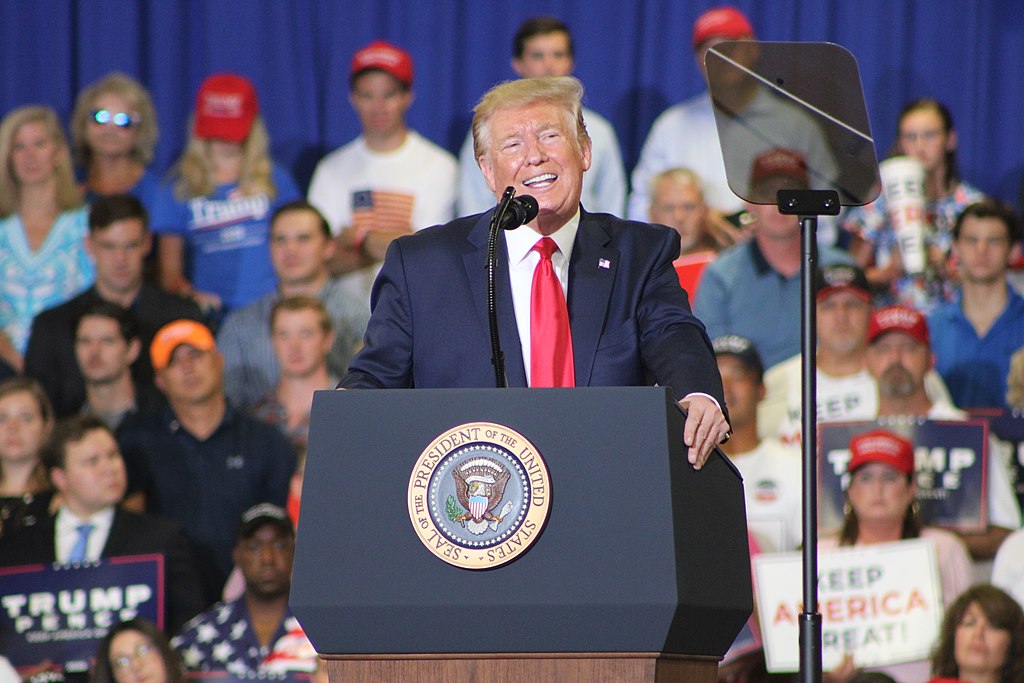
As President Donald Trump begins his second term in 2025, his administration is advancing a sweeping deregulation agenda aimed at reducing federal oversight in industries ranging from energy to healthcare. Advocates argue that these policies will boost economic growth, but critics warn that public safety, environmental protections, and labor rights could suffer as a result.
The plan seeks to roll back restrictions imposed during previous administrations, particularly in energy production, infrastructure development, and financial markets. Trump's administration claims that reducing regulatory red tape will attract investment, create jobs, and foster innovation. However, environmentalists and consumer advocates caution that such measures could lead to significant long-term consequences.
Energy and Environmental Protections Face Uncertainty
One of the most contentious aspects of Trump’s deregulation push involves the energy sector. The administration has proposed eliminating restrictions on offshore drilling and streamlining the approval process for fossil fuel infrastructure projects, including pipelines. Supporters argue that these measures will increase energy independence and lower consumer costs.
However, critics express concerns about environmental degradation and climate change. Advocacy groups point to potential risks of oil spills, habitat destruction, and the exacerbation of global warming. Sarah Thompson, a senior analyst at the Environmental Policy Institute, stated that deregulation might prioritize short-term gains over long-term sustainability.
Netizens have also weighed in on the issue, offering mixed reactions:
- @GreenEarthNow: “Rolling back environmental regulations is a disaster waiting to happen. We need progress, not regression. #ClimateCrisis”
- @EnergyJobsUSA: “Finally, a president who supports American energy and puts jobs first. This is what we need! #Trump2025”
- @EcoWarrior87: “Trump’s deregulation agenda is reckless. Our planet and future generations will pay the price.”
- @IndustryInnovator: “Cutting red tape allows businesses to thrive. Deregulation is exactly what the economy needs. #EconomicGrowth”
- @ProtectOurWildlife: “More drilling? More pollution? When will we learn? #SaveThePlanet”
- @BalancedView2025: “There’s merit to both sides, but where’s the plan for balancing economic growth with environmental safety?”
Impact on Workers and Consumers
Beyond energy, Trump’s deregulation policies extend to labor and consumer protections. Proposals to relax workplace safety rules and roll back financial regulations could affect millions of workers and consumers. While businesses may benefit from reduced compliance costs, labor unions argue that these changes put employees at greater risk.
Consumer advocates also worry about potential consequences for financial stability. Deregulation of banking and credit industries, they say, could pave the way for risky practices reminiscent of those that led to the 2008 financial crisis. However, proponents of deregulation argue that such policies will spur competition and innovation, ultimately benefiting consumers.
Future Implications of Deregulation
While Trump’s deregulation agenda promises economic growth, the long-term impacts remain uncertain. Critics contend that scaling back regulations could jeopardize public safety and environmental health, creating challenges for future administrations. Supporters, on the other hand, believe deregulation will usher in a new era of economic prosperity.
As these policies unfold, their success or failure will likely depend on the administration's ability to strike a balance between fostering growth and protecting vital interests. For now, the debate continues to divide Americans and dominate headlines.







