


 Macron, Trump Discuss Ukraine-Russia Energy Strike Moratorium
  Zelenskiy Meets CIA Chief John Ratcliffe at Ireland’s Shannon Airport
  US Plans Two New Military Bases in Greenland Under Arctic Deal
  North Korea Fires Two Ballistic Missiles From Wonsan
  UK, Mauritius Seek Diego Garcia Base Deal
  Canada Unveils Bill to Fast-Track Major Resource Projects
  Michelle Bachelet Withdraws From UN Secretary-General Race
  ICE Officer Shoots Man in Austin, Sparking Calls for Independent Probe
  Paramount-Warner Bros $110 Billion Deal Draws Antitrust Backlash
  Trump Sets High-Stakes UN Meetings With Zelenskiy, Gulf Leaders
  Trump Scales Back Endangered Species Act Protections
  CNN, MS NOW and Politico Sue Trump Over White House Media Ban
  Trump Open to Pezeshkian Meeting as Iran Tensions Escalate
  Russian Drone Attacks Kill Four in Kyiv Region, Including Three Children
  US-China Talks Target AI, Tariffs Ahead of Trump-Xi Summit
  Burnham Eyes UK Leadership Role in AI Ahead of Trump Meeting
  US, Denmark and Greenland Set to Sign Arctic Security Deal


 Add as a preferred source on Google
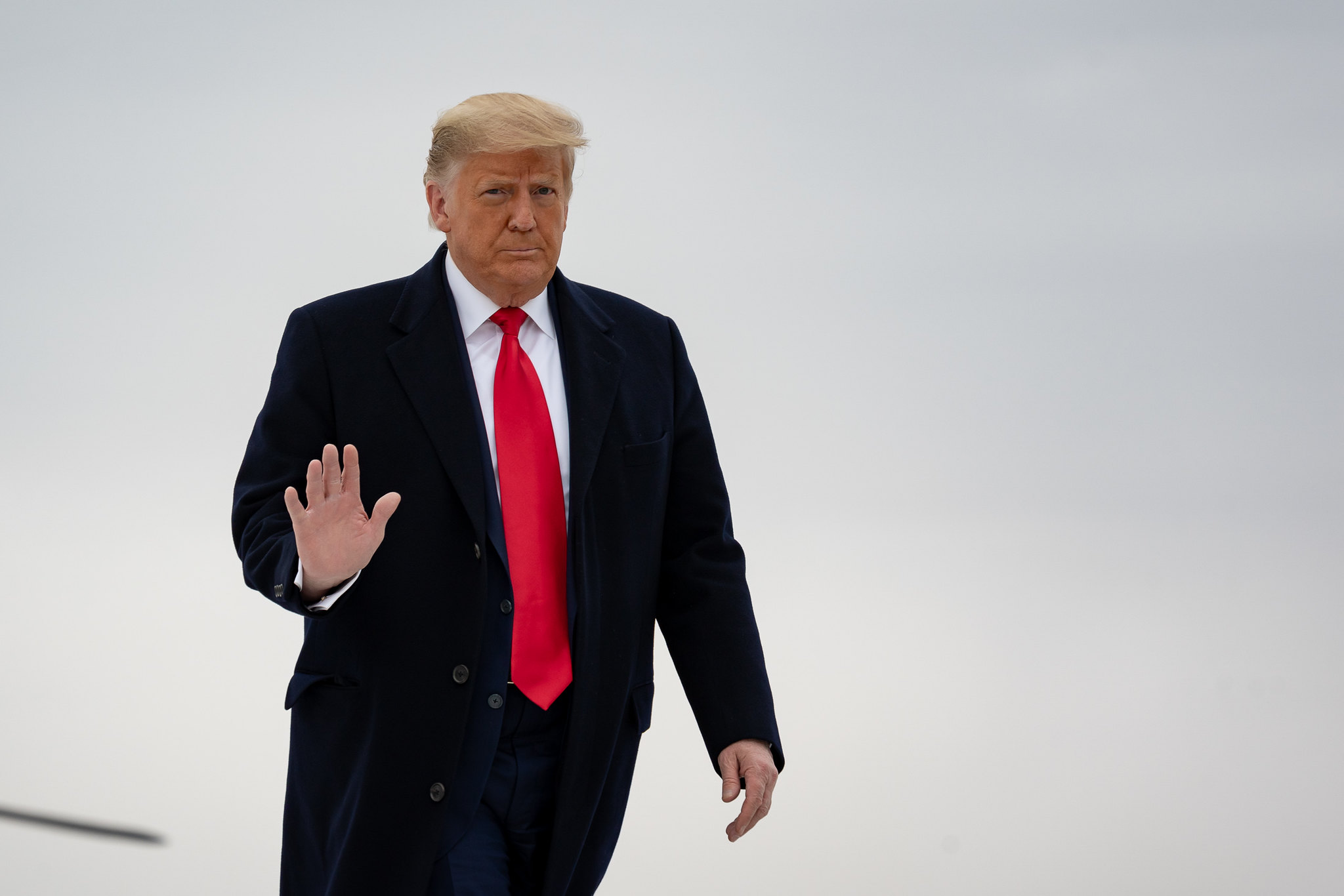
Donald Trump’s 2024 campaign proposal to eliminate federal taxes on gratuities aims to appeal to service industry workers. While this move promises immediate relief for tipped employees, critics argue it primarily benefits business owners and overlooks deeper wage issues.
Donald Trump’s Tax Proposal to Eliminate Federal Taxation on Tips Aims to Win Over Service Workers
Donald Trump's tax policy as president was overwhelmingly advantageous to corporations and the affluent. Trump's hallmark tax legislation, the Tax Cuts and Jobs Act, overwhelmingly benefited those groups.
However, Trump is campaigning as a populist presidential candidate. His 2024 campaign is spotlighting his proposal to eliminate federal taxation on gratuities. According to Mother Jones, this proposal, if implemented, could bring a wave of optimism to service industry employees, particularly in Nevada, a critical battleground state with a substantial service sector that depends on tips.
“For those hotel workers and people that get tips, you’re going to be very happy, because when I get to office, we are going to not charge taxes on tips,” Trump said. “We’re going to do that right away first thing in office because it’s been a point of contention for years and years and years, and you do a great job of service.”
The official 2024 Republican Party platform, released this week, included Trump's proposal to eliminate taxes on gratuities as one of 20 "promises: "LARGE TAX CUTS FOR WORKERS, AND NO TAX ON TIPS!"
Trump's proposal to eliminate taxes on gratuities may prove advantageous to him in terms of his political prospects among service industry employees. People are encouraged to write "Vote for Trump for NO TAX ON TIPS!" on their restaurant receipts as part of his campaign.
Donald Trump's Tip Tax Proposal Faces Criticism for Benefiting Business Owners Over Low-Wage Workers
Republicans in Congress have already introduced legislation to implement Trump's proposal and eliminate federal taxation of tips. It is important to note that the measure would only exempt tips from income taxes, not payroll taxes, which are the majority of federal taxes owed by low-income workers.
However, if implemented, the proposal could negatively impact the majority of tipped laborers. The primary beneficiaries would be individuals who own and operate hotels, restaurants, and other businesses that employ tipped workers—otherwise known as individuals such as Donald Trump.
Initially, many individuals who depend on gratuities earn so little that they are already exempt from federal income taxes. For instance, half of all servers earn $32,000 or less. A server with a family earning $32,000 does not incur any federal income tax and, as a result, would not benefit from Trump's proposal.
The more significant concern is that the federal minimum wage for tipped laborers is $2.13 per hour. This wage has not increased since 1991. In addition to gratuities, these employees are expected to receive a minimum wage of $7.25 per hour. In 2024, that is far from a living wage in the United States.







