


 Macron Challenges Trump’s Gaza Peace Claims at UN
  Trump Board of Peace Unveils $2.45 Billion Gaza Recovery Plan
  Sudan Rejects US Legitimacy Remarks, Defends Sovereignty
  Gaza Faces Evacuation Crisis as War-Damaged Buildings Risk Collapse
  US Invites Putin to Miami G20, Opening Door to Trump Summit
  Ghana Says Western Support Growing for Slave Trade Reparations
  Trump Says ‘Freedom’ Is Coming to Cuba
  Vietnam, US Trade Deal Could Be Signed Soon, To Lam Says
  Trump Says U.S.-Iran Peace Deal Near After UN Talks
  Trump Administration Plans Faster FDA Reviews for Smoke-Free Nicotine Products
  Zelenskiy Warns Russia Preparing Major Attack on Ukraine
  Burnham Eyes UK Leadership Role in AI Ahead of Trump Meeting
  Scott Bessent Eyed as Trump’s New AI Czar
  Trump to Press Xi on Release of US Nuclear Expert Held in China
  South Korea, US Discuss Warship Building Cooperation
  Venezuela Promises Elections as Delcy Rodriguez Pledges Democratic Transition
  Kremlin Says No Grounds Yet for Ukraine Peace Talks


 Add as a preferred source on Google
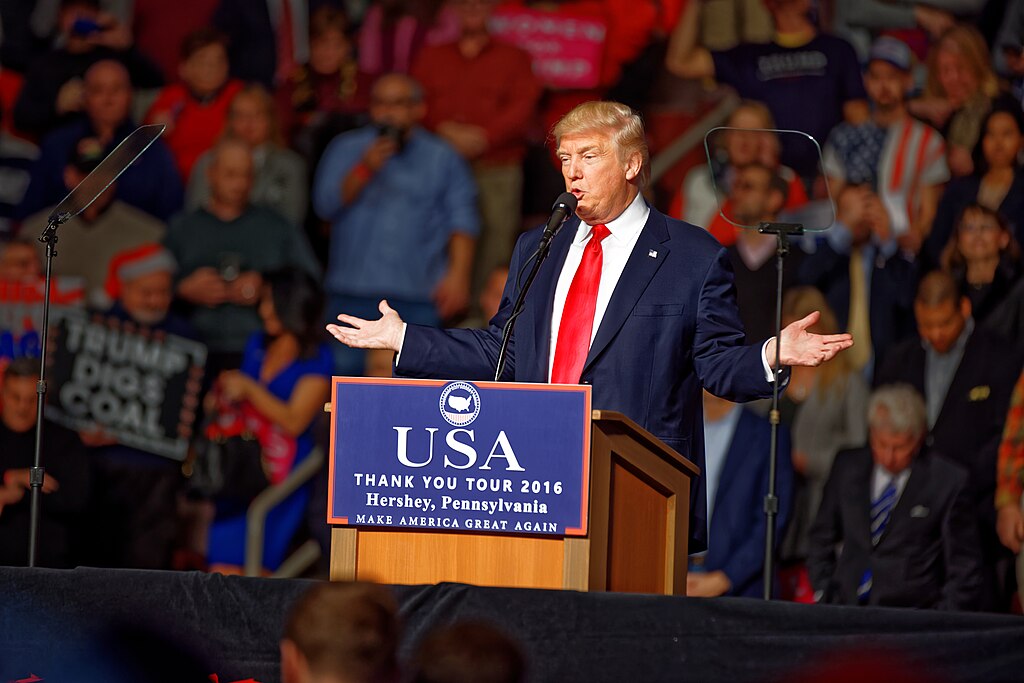
Attorneys representing President-elect Donald Trump have filed a motion seeking the immediate dismissal of his conviction in the Manhattan business records case, asserting that the U.S. Constitution mandates such action. This development follows Trump's recent election victory and raises significant legal questions regarding presidential immunity and the separation of powers.
Background of the Case
In May 2024, a Manhattan jury convicted Trump on 34 felony counts of falsifying business records related to hush-money payments made during the 2016 presidential campaign. The charges centered on allegations that Trump orchestrated payments to suppress information that could have adversely affected his electoral prospects.
Legal Arguments for Dismissal
Trump's legal team argues that proceeding with sentencing or any further legal action would violate constitutional principles, particularly in light of his status as president-elect. They contend that the Constitution provides immunity to a sitting president from criminal prosecution, and by extension, this protection should apply to a president-elect to ensure the unimpeded transition of executive power.
In their motion, the attorneys state, "Any disruption occasioned by the transfer of the executive power could produce results detrimental to the safety and well-being of the United States and its people."
Prosecutors' Response
The Manhattan District Attorney's office, led by Alvin Bragg, opposes the motion to dismiss but has suggested pausing proceedings until after Trump's upcoming presidential term. This approach aims to balance the enforcement of the law with respect for the constitutional role of the presidency.
Public Reaction
The motion has sparked a range of reactions on social media:
-
@LegalEagle2024: "Trump's legal team is right; the Constitution must be upheld to protect the presidency."
-
@JusticeForAll: "No one is above the law, not even a president-elect. This motion sets a dangerous precedent."
-
@CivicObserver: "The courts must carefully consider the constitutional implications of this case. It's a complex issue."
Implications for Presidential Immunity
This case brings to the forefront the debate over the extent of presidential immunity. While the Supreme Court has ruled that a sitting president has certain immunities, the application of these protections to a president-elect remains uncharted legal territory. The outcome of this motion could have lasting implications for the interpretation of executive power and accountability.
Conclusion
As the legal proceedings continue, the intersection of constitutional law and the prosecution of a president-elect presents a complex challenge for the judiciary. The decision on this motion will not only impact Trump's immediate legal standing but also set a precedent for how similar cases may be handled in the future.







