


 Kremlin Says No Grounds Yet for Ukraine Peace Talks
  US Officials Split Over Response to Israeli West Bank Settlements
  Europe Warns Russia Is Escalating Hybrid Attacks Across NATO
  Trump Says U.S.-Iran Peace Deal Near After UN Talks
  Zelenskiy Warns Russia Preparing Major Attack on Ukraine
  US Invites Putin to Miami G20, Opening Door to Trump Summit
  Gaza Faces Evacuation Crisis as War-Damaged Buildings Risk Collapse
  Iran Vows ‘Crushing’ Response as US Talks Continue
  Ghana Says Western Support Growing for Slave Trade Reparations
  Scott Bessent Eyed as Trump’s New AI Czar
  Trump Board of Peace Unveils $2.45 Billion Gaza Recovery Plan
  Vietnam, US Trade Deal Could Be Signed Soon, To Lam Says
  Marco Rubio to Meet Russia’s Lavrov in New York
  US, China Extend Trade Truce to Jan. 10 Ahead of Trump-Xi Summit
  Lula and Flavio Bolsonaro Tied in Brazil Runoff Poll
  Burnham Eyes UK Leadership Role in AI Ahead of Trump Meeting
  Russian Strikes Kill Eight Across Ukraine as Energy Sites Hit


 Add as a preferred source on Google
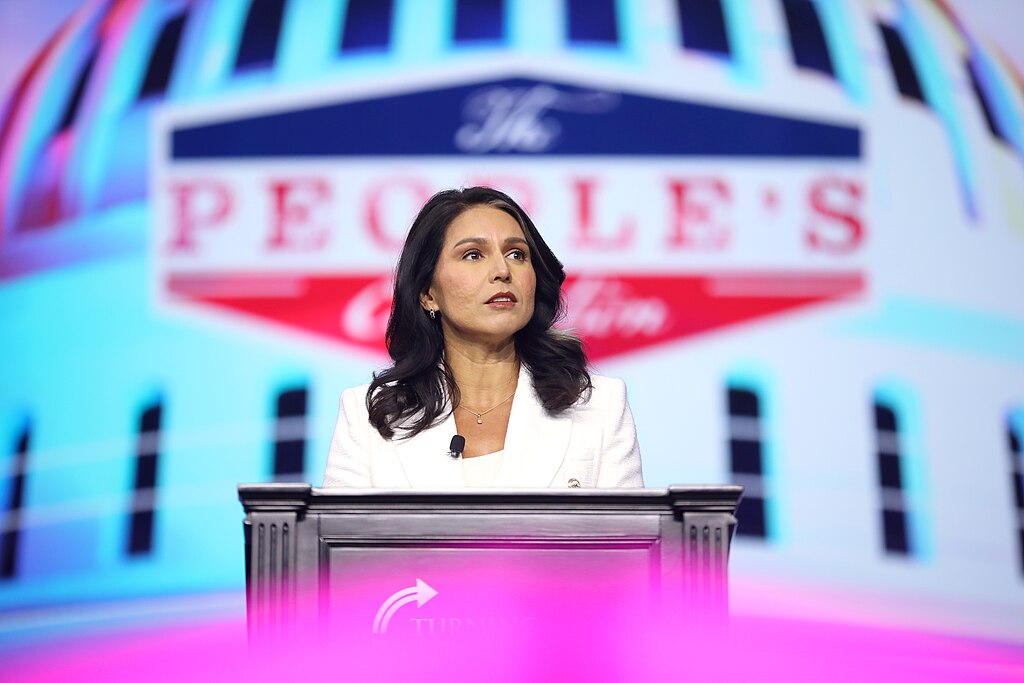
Tulsi Gabbard, President Donald Trump's nominee for Director of National Intelligence (DNI), has publicly detailed her departure from the Democratic Party, citing fundamental disagreements over issues of freedom and governance. Her nomination has sparked significant debate, given her political journey and the critical role of the DNI in national security.
Gabbard's Political Evolution
Gabbard, a former Democratic congresswoman from Hawaii, has undergone a notable political transformation. Initially recognized for her progressive stances, she has shifted towards more conservative positions in recent years. In October 2022, she announced her departure from the Democratic Party, criticizing its leadership and direction.
Nomination as Director of National Intelligence
President Trump nominated Gabbard for the DNI position, highlighting her military experience and unique perspective on foreign policy. The nomination has been met with mixed reactions, with supporters praising her independence and critics questioning her qualifications and past foreign policy positions.
Public Reaction
Gabbard's nomination has elicited a range of responses on social media:
-
@LibertyFirst: "Gabbard's shift is refreshing. We need leaders who prioritize freedom over party lines."
-
@ProgressiveVoice: "Her nomination is concerning. Aligning with Trump raises questions about her commitment to democratic values."
-
@NeutralObserver: "It's intriguing to see such a political shift. Her performance as DNI will be telling."
Confirmation Process
Gabbard's nomination will undergo scrutiny in the Senate, where her political evolution and qualifications will be central topics of discussion. The confirmation process will provide a platform for evaluating her suitability for overseeing the nation's intelligence apparatus.
Conclusion
Tulsi Gabbard's nomination as Director of National Intelligence marks a significant moment in her political journey. As the confirmation process unfolds, her past affiliations and current positions will be closely examined, reflecting broader discussions about political alignment and national security leadership.







