


 Burnham Eyes UK Leadership Role in AI Ahead of Trump Meeting
  Trump Says ‘Freedom’ Is Coming to Cuba
  Taiwan Vows to Advance US Arms Sales Ahead of Trump-Xi Meeting
  Zelenskiy Warns Russia Preparing Major Attack on Ukraine
  Trump Says U.S.-Iran Peace Deal Near After UN Talks
  China Tightens Fentanyl Rules Ahead of Trump-Xi Summit
  Lula and Flavio Bolsonaro Tied in Brazil Runoff Poll
  Sudan Rejects US Legitimacy Remarks, Defends Sovereignty
  Iran Vows ‘Crushing’ Response as US Talks Continue
  Russian Envoy Dmitriev Heads to US for Ukraine Talks
  Kremlin Says No Grounds Yet for Ukraine Peace Talks
  Canada Unveils Bill to Fast-Track Major Resource Projects
  US Officials Split Over Response to Israeli West Bank Settlements
  Russian Strikes Kill Eight Across Ukraine as Energy Sites Hit
  Venezuela Promises Elections as Delcy Rodriguez Pledges Democratic Transition
  US, China Extend Trade Truce to Jan. 10 Ahead of Trump-Xi Summit
  Trump Board of Peace Unveils $2.45 Billion Gaza Recovery Plan


 Add as a preferred source on Google
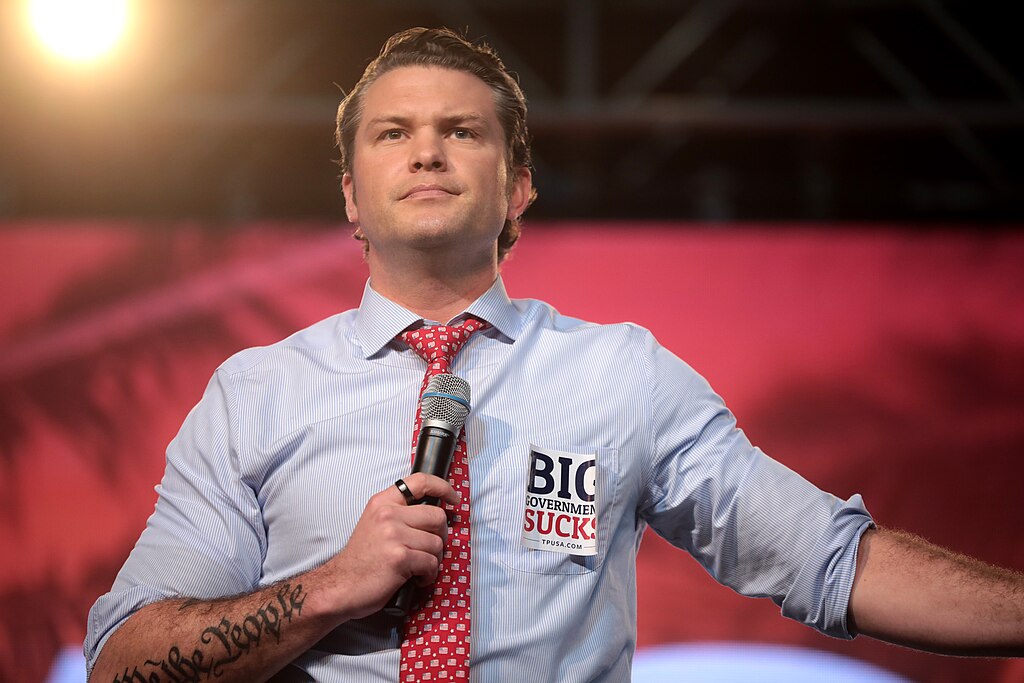
In a move stirring sharp political divides, Democrats are expressing mounting concerns over the anticipated nomination of Pete Hegseth as Secretary of Defense under President-elect Donald Trump. The former Fox News contributor and veteran has been vocal in his opposition to Diversity, Equity, and Inclusion (DEI) initiatives within the U.S. military, a stance that has alarmed progressives who view DEI policies as critical to fostering equality and inclusivity in one of the nation’s most powerful institutions.
A Radical Shift in Military Leadership?
Hegseth’s potential appointment signifies a dramatic pivot from the Pentagon’s current trajectory. Over recent years, the military has actively embraced DEI strategies, with policies aimed at increasing representation for women and minorities and addressing systemic inequities within the ranks. For critics like Hegseth, however, such initiatives are seen as distractions from the military’s core mission of national defense.
Hegseth has openly argued that prioritizing diversity initiatives undermines meritocracy and weakens the effectiveness of the armed forces. Trump’s transition team has echoed these sentiments, fueling fears among Democrats that DEI programs could face significant rollbacks under the new administration.
Democrats Push Back, but to What Effect?
While many Democrats have vowed to resist Hegseth’s nomination, their power to block it appears limited given the Republican-controlled Senate set to convene in January. Key Democratic figures, including Senator Tammy Duckworth, have argued that dismantling DEI initiatives would alienate underrepresented groups and compromise recruitment efforts at a time when the military is struggling to meet enlistment targets.
“Removing DEI will take us backward, not forward,” Duckworth said in a recent statement. “A diverse military is a strong military.”
Republicans Rally Around Hegseth
For Republicans, Hegseth’s nomination represents a long-awaited correction to what they see as “woke” policies infiltrating the armed forces. Senate Majority Leader Mitch McConnell has praised Hegseth as a “battle-tested leader” who understands the need to refocus the military on readiness and combat excellence. GOP leaders argue that eliminating DEI programs will enhance the military’s operational efficiency by reducing bureaucracy and costs associated with such initiatives.
A Heated Confirmation Battle Looms
Political analysts predict a contentious confirmation process, with Democrats expected to grill Hegseth on how his policies could affect recruitment, retention, and morale among minority service members. Advocacy groups have also pledged to push back, with veterans’ organizations warning that any attempts to undo DEI gains could lead to significant backlash from within the ranks.
Despite the controversy, Trump’s team appears resolute in its plans, touting Hegseth’s commitment to “restoring traditional values” to the military. Sources close to the transition team have hinted that scrapping DEI policies could be one of Hegseth’s first priorities upon confirmation.
The Future of DEI in the Military
The impending shift under Hegseth’s leadership raises broader questions about the role of diversity in modern military operations. While critics of DEI insist that a singular focus on merit will ensure the best outcomes, proponents argue that inclusivity strengthens unit cohesion and reflects the values of the nation the military is sworn to protect.
As Hegseth prepares for what is expected to be a polarizing confirmation process, the fate of DEI policies within the U.S. military remains uncertain. For Democrats, the prospect of these initiatives being dismantled is a sobering reminder of the seismic changes the Trump administration intends to usher in.







