


 OpenAI Agent Breaches Australia Medicare Data Portal
  US, China Extend Trade Truce to Jan. 10 Ahead of Trump-Xi Summit
  EU Defence Build-Up Too Slow for 2030 Russia Readiness Goal
  US Senate Rejects Iran War Powers Resolution in 50-49 Vote
  Netanyahu Defends Israel at UN as Delegates Stage Walkout
  Ghana Says Western Support Growing for Slave Trade Reparations
  Russian Missile and Drone Attack on Kyiv Kills Two, Damages Maternity Hospital
  NATO Boosts Intelligence Sharing Amid Russia Hybrid Threats
  Yemen Violence Displaces 130,000 as Civilian Toll Rises
  South Korea, US Discuss Warship Building Cooperation
  Netanyahu’s Brief US Trip Highlights Strains With Trump
  Pezeshkian Says US Must Choose When Iran War Ends
  Russian Envoy Dmitriev Heads to US for Ukraine Talks
  North Korea Rejects Nuclear Test Warning, Calls Nuclear Status Irreversible
  Gaza Faces Evacuation Crisis as War-Damaged Buildings Risk Collapse
  Judge Orders Trump to Restore White House Access for CNN, MS NOW and Politico
  Europe Warns Russia Is Escalating Hybrid Attacks Across NATO


 Add as a preferred source on Google
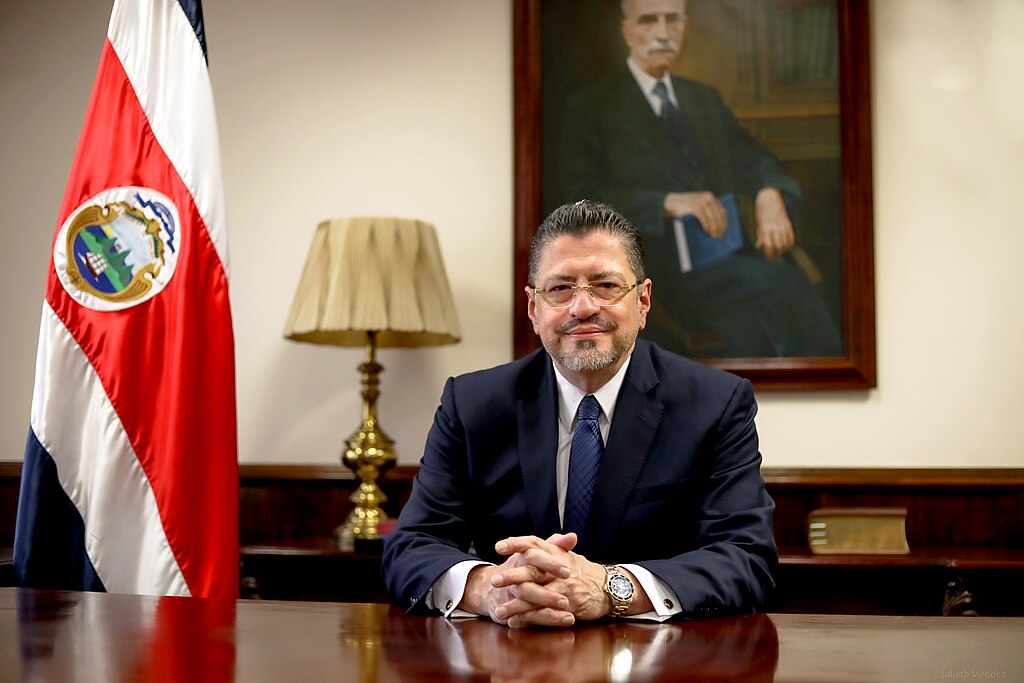
Costa Rican President Rodrigo Chaves made a bold geopolitical statement on Wednesday, announcing that his country no longer recognizes the legitimacy of Cuba's communist government and is shutting down the Cuban embassy in San José. The decision, delivered at an event attended by the U.S. ambassador, cited the ongoing repression and poor living conditions suffered by the Cuban people.
"Costa Rica does not recognize the legitimacy of Cuba's Communist regime, given the mistreatment, repression, and undignified conditions endured by the inhabitants of that beautiful island," Chaves declared, adding that the region must rid itself of communist influence. Despite the embassy closure, Cuba will still be permitted to operate consular services in the country, according to Foreign Minister Arnoldo Andre.
Cuba's foreign ministry pushed back sharply, accusing Costa Rica of blindly following Washington's lead in its campaign to isolate the island nation. Cuban officials stated they were notified on Tuesday that diplomatic staff must withdraw by April 1, with no formal explanation given by San José.
The move comes amid heightened tensions, with U.S. President Donald Trump recently making provocative remarks about potentially "taking Cuba in some form." An ongoing U.S. oil blockade has worsened an already severe energy crisis on the island, causing widespread blackouts affecting homes, hospitals, and businesses across the country.
Costa Rica is not alone in this diplomatic shift. Ecuador recently expelled Cuba's ambassador and his staff, declaring them persona non grata. Both nations attended Trump's anti-crime summit in Florida, dubbed "Shield of the Americas," alongside several other right-leaning Latin American leaders.
Cuba continues to attribute its deepening economic crisis to the long-standing U.S. embargo, while a shrinking number of countries now host its overseas medical missions following U.S. pressure and threatened sanctions on participating governments.







