


 US Caribbean Vessel Strike Kills Three
  US Bans Canadian Alcohol, Motorcycles as Trade War Escalates
  Trump Administration Removes Confederate Memorial Criticism From Arlington Website
  Trump Expects Iran War to End After U.S. Midterms
  Kim Jong Un Praises North Korean Troops Fighting Overseas
  Trump Advisers Warn Iran War Could Last Until 2029
  Xi, Putin Reaffirm Ties With North Korea on Founding Anniversary
  Trump’s Iran War Draws ‘Forever War’ Comparisons
  Trump Threatens Bombardier U.S. Sales Ban
  U.S. Accuses Chinese AI Firms of Extracting Model Capabilities
  Trump Rallies Republicans at Dallas Midterm Convention
  Australia Defends Social Media Algorithm Law Amid US Concerns
  Iran Attacks 10 Ships as Hormuz Conflict Escalates
  US Grant Program Excludes French Groups Ahead of 2027 Election
  US Judge Dismisses Imran Ahmed Deportation Lawsuit
  Trump’s ‘New America’ Proposal Draws Backlash in New Mexico


 Add as a preferred source on Google
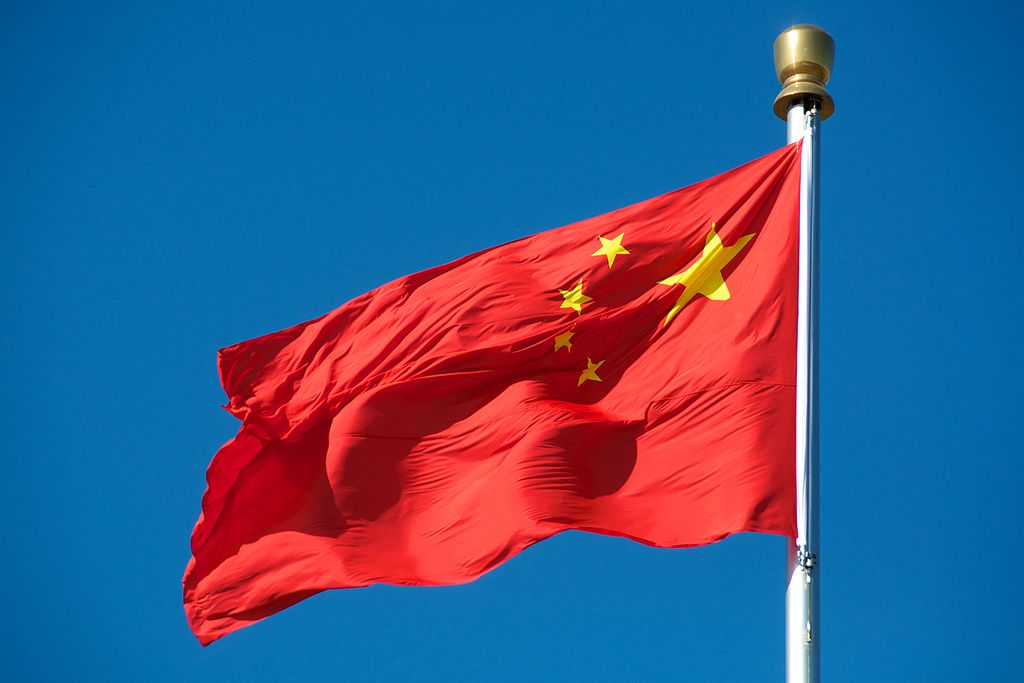
China is stepping up its military and cyber activities near Taiwan, raising alarms over potential surprise attacks and escalating “hybrid warfare” tactics aimed at undermining trust in the island’s democratic government, Taiwan’s defence ministry said Thursday.
The biennial report warns that Beijing is honing its ability to launch a sudden assault while simultaneously waging psychological and online campaigns to destabilize Taiwan. Over the past five years, China has conducted at least seven rounds of large-scale war games around the island, using military drills to test its readiness for combat.
According to the report, China’s military has increasingly integrated artificial intelligence tools into its cyber operations, targeting Taiwan’s critical infrastructure and exploiting vulnerabilities in national security networks. Beijing’s “professional cyber army” manipulates social media and floods platforms with misinformation to erode public confidence in government institutions and weaken support for defence spending.
China is also accused of deploying deepfake videos and AI-generated political content to polarize society, while leveraging state media and local collaborators to diminish morale and the public’s will to resist. These hybrid warfare strategies combine psychological pressure with “grey zone” tactics, including aggressive coast guard patrols and non-combat operations designed to exhaust Taiwan’s defences.
The ministry cautioned that China could transform military exercises into real combat with little warning, posing a severe risk to regional stability. It also noted China’s growing use of civilian roll-on/roll-off merchant vessels for military logistics and amphibious operations, signaling preparations for potential conflict.
Taiwan President Lai Ching-te, labelled a “separatist” by Beijing, maintains that only Taiwan’s citizens can determine their future. In response to China’s aggression, Taiwan plans to allocate 5% of its GDP to defence modernization by 2030.







