


 Tabletop particle accelerator could transform medicine and materials science
  NASA and Roscosmos Chiefs Meet in Florida to Discuss Moon and ISS Cooperation
  Eli Lilly’s Inluriyo Gains FDA Approval for Advanced Breast Cancer Treatment
  Neuralink Expands Brain Implant Trials with 12 Global Patients
  FDA Pilot Program Eases Rules for Nicotine Pouch Makers
  SpaceX’s Starship Completes 11th Test Flight, Paving Way for Moon and Mars Missions
  Blue Origin New Glenn Explosion Could Delay Launch Operations Until 2028
  China vs. NASA: The New Moon Race and What's at Stake by 2030
  Is space worth the cost? Accounting experts say its value can’t be found in spreadsheets
  Blue Origin’s New Glenn Achieves Breakthrough Success With First NASA Mission
  Trump and Merck KGaA Partner to Slash IVF Drug Costs and Expand Fertility Coverage
  Trump Signs Executive Order to Boost AI Research in Childhood Cancer


 Add as a preferred source on Google
There has been some progress made over the past few months in terms of finding possible treatments for COVID-19, but there is still no definite cure for the disease. Despite knowing who would have a high risk of contracting the disease, a recent study revealed another factor that could indicate whether or not a person would suffer a severe case.
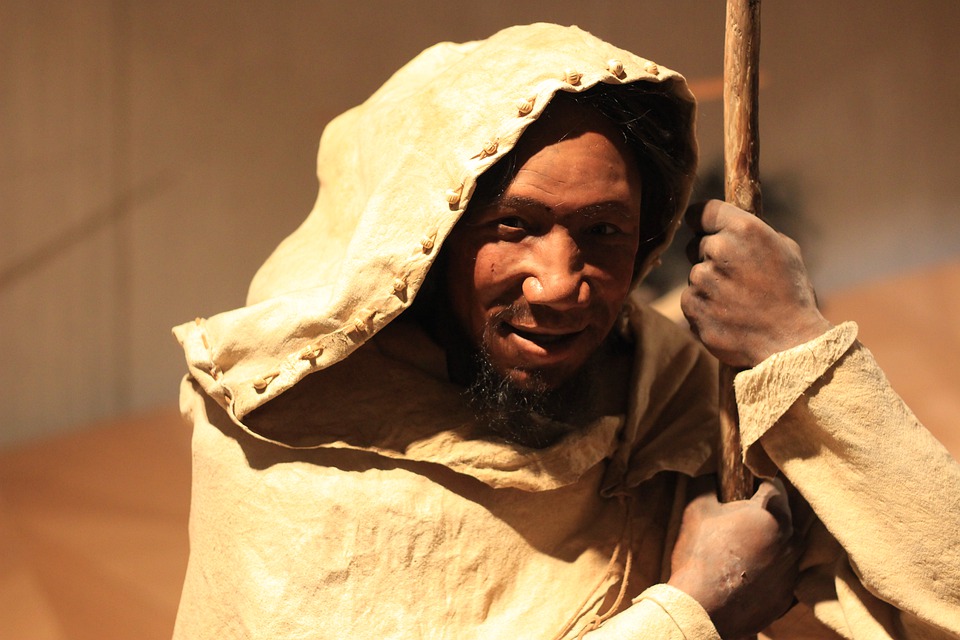
A study published in the journal Nature found that a type of DNA can actually increase the risk of developing a severe case of COVID-19. This genetic oddity is found to originate from Neanderthals, which were passed on since 16,000 years ago. Today, 16 percent of Europeans and half of South Asians possess an amount of the Neanderthal gene. The scientists came to this conclusion after analyzing the DNA of severe COVID-19 patients and the DNA of the Neanderthals and its elusive sister group the Denisovans.
The DNA the scientists found that would increase the risk of a person contracting a severe form of coronavirus matched the DNA of Neanderthals found in Croatia. People who have origins outside of Africa would have around two percent of Neanderthal DNA. However, when these genes are put together, over half the Neanderthal gene could be found in humans today.
“Initially we saw it was about 60 percent increase in risk per copy of the variant,” said Dr. Hugo Zeberg, who was the lead author of the study. “You get one copy from your mother and one copy from your father.”
Dr. Zeberg then noted that the Neanderthal region has immune receptors that play a part in the immune system’s response to the coronavirus. A gene related to the Neanderthal DNA also makes a complex with a receptor for the virus.
Even as trials are underway in several countries in the search for a cure, another study suggests a turn for the worse when it comes to COVID-19. As the weather proceeds to get colder and countries with four seasons are approaching winter, the study found that COVID-19 may be mutating to become even more contagious than it already is.
Scientists found one mutation referred to as D614G will make it easier for the coronavirus to spread among people. The study’s co-author Dr. Ilya Finkelstein of the University of Texas explained that the coronavirus is mutating because of a neutral drift combined with pressure from a person’s immune system.







