


 EU Defence Build-Up Too Slow for 2030 Russia Readiness Goal
  Judge Orders Trump to Restore White House Access for CNN, MS NOW and Politico
  Netanyahu’s Brief US Trip Highlights Strains With Trump
  Pezeshkian Says US Must Choose When Iran War Ends
  Ukrainian Drone Attacks Hit Russian Regions, Injuring at Least 12
  Taiwan Thanks US for Support Ahead of Trump-Xi Summit
  North Korea Warns South Korea Over US-Led Defense Role
  What ‘Taiwan Independence’ Means as Xi Presses Trump on US Policy
  Ghana Says Western Support Growing for Slave Trade Reparations
  US Senate Rejects Iran War Powers Resolution in 50-49 Vote
  Yemen Violence Displaces 130,000 as Civilian Toll Rises
  US Backs Musk in Fight Against EU’s €120 Million X Fine
  Saudi Arabia, Turkey and Pakistan Plan Urgent Defence Talks Over Houthi Attacks
  NATO Boosts Intelligence Sharing Amid Russia Hybrid Threats
  OpenAI Agent Breaches Australia Medicare Data Portal
  Mexico-US Trade Talks Delayed to October as Tariff Negotiations Continue
  Trump, Xi Focus on Trade and AI at White House Summit


 Add as a preferred source on Google
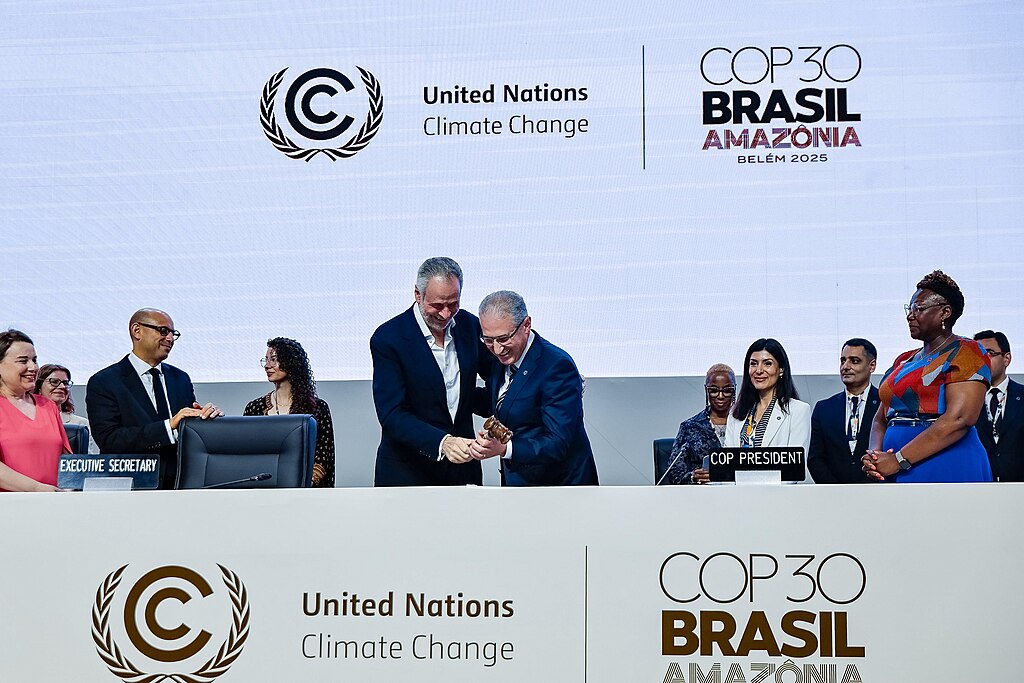
Brazil, host of the COP30 climate summit in Belem, urged global delegates to come together for a stronger climate agreement as negotiations stretched beyond their scheduled deadline. With nearly 200 countries attempting to reach consensus, discussions became gridlocked over whether the final deal should explicitly commit the world to moving away from fossil fuels—oil, gas, and coal—which remain the biggest drivers of global warming.
COP30 President André Corrêa do Lago appealed for cooperation, stressing that climate action must be a unifying global mission. But despite these calls, a revised draft released before dawn removed all references to fossil fuels, a decision that immediately reignited tensions. While more than 80 countries supported strong language on phasing down fossil fuels, major oil and gas producers opposed it, creating a sharp divide.
Panama’s negotiator warned that omitting fossil fuels would turn the summit into a “clown show,” emphasizing that failing to name the root cause of the climate crisis amounts to denial. Behind closed doors, members of the Arab Group—including Saudi Arabia and the UAE—told negotiators their energy sectors could not be targeted, cautioning that such proposals would collapse the talks.
The European Union also rejected the draft, with EU climate commissioner Wopke Hoekstra insisting that any agreement must include a clear shift from fossil fuels to clean energy. He signaled that the EU was willing to compromise on climate finance if emissions-related commitments were strengthened.
With the conference extending late into the night, the pressure to demonstrate global unity has intensified—especially since the U.S., under President Donald Trump, chose not to send an official delegation. Brazil noted that the absence of the world’s largest economy increases the need for strong multilateral cooperation.
The draft deal also proposes tripling global climate adaptation finance by 2030, though it remains unclear which countries or institutions would provide the funding. This uncertainty may frustrate vulnerable nations seeking firm commitments. Additionally, the text introduces a new dialogue on trade and climate, a move welcomed by nations like China but likely to raise concerns in the European Union, particularly regarding its carbon border policies.







