


 South Korea, US Discuss Warship Building Cooperation
  Ghana Says Western Support Growing for Slave Trade Reparations
  US Senate Rejects Iran War Powers Resolution in 50-49 Vote
  Xi Calls for Deeper U.S.-China AI Cooperation in Trump Talks
  Mexico-US Trade Talks Delayed to October as Tariff Negotiations Continue
  Trump, Xi Visit US National Archives After White House Summit
  Judge Orders Trump to Restore White House Access for CNN, MS NOW and Politico
  Trump Asks Supreme Court to Restore Third-Country Deportations
  Ukrainian Drone Attacks Hit Russian Regions, Injuring at Least 12
  Saudi Arabia, Turkey and Pakistan Plan Urgent Defence Talks Over Houthi Attacks
  Taiwan Thanks US for Support Ahead of Trump-Xi Summit
  Najib Razak Seeks Stay of 15-Year 1MDB Prison Sentence
  What ‘Taiwan Independence’ Means as Xi Presses Trump on US Policy
  Russian Missile and Drone Attack on Kyiv Kills Two, Damages Maternity Hospital
  Netanyahu Defends Israel at UN as Delegates Stage Walkout
  Abbas Reaffirms November 28 Palestinian Elections
  Netanyahu’s Brief US Trip Highlights Strains With Trump


 Add as a preferred source on Google
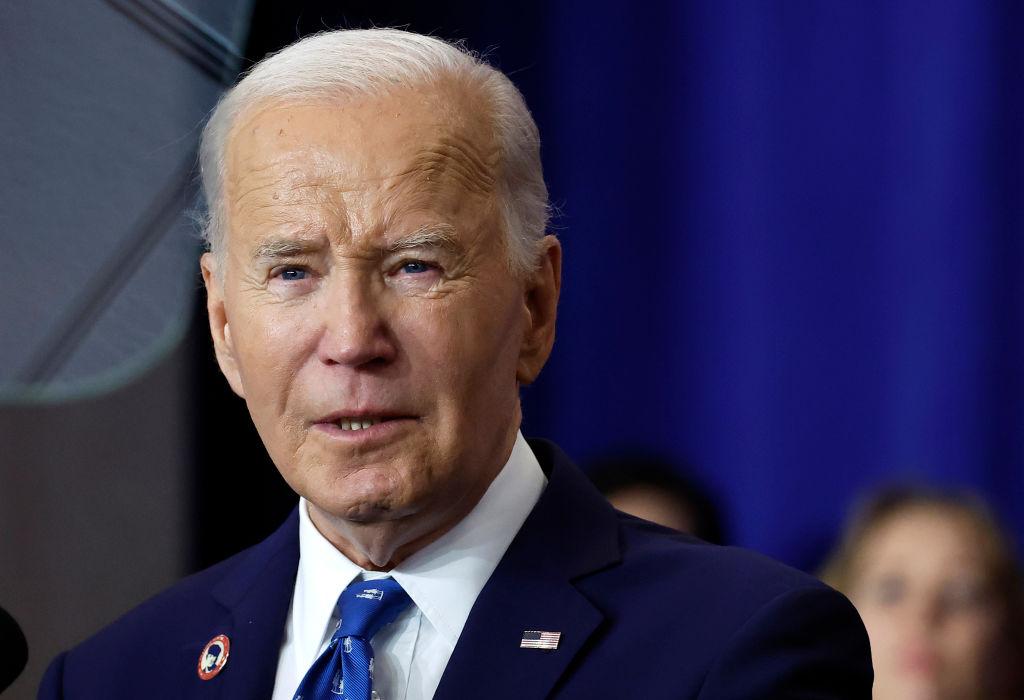
In a significant policy reversal, the Biden administration has officially withdrawn its proposals for large-scale student loan forgiveness, impacting approximately 38 million Americans. This decision comes amid legal challenges and the impending transition to President-elect Donald Trump's administration.
Administration Cites Legal Hurdles and Time Constraints
The Department of Education announced the withdrawal of two major proposals aimed at providing debt relief to millions of borrowers. One plan, introduced in April, sought to forgive loans for individuals facing financial hardships, including those with escalating interest or long-term debt. Another proposal from October targeted borrowers experiencing significant financial challenges due to medical bills, childcare expenses, or natural disasters. However, both faced legal obstacles and operational challenges. A federal judge had preemptively blocked one initiative following a lawsuit by Republican attorneys general. The Education Department cited these hurdles and the limited time before the administration's end as reasons for the withdrawal.
Public Service Workers Receive Targeted Relief
Despite retracting broad forgiveness plans, the administration approved $4.28 billion in debt relief for nearly 55,000 public service workers. This action benefits teachers, nurses, service members, and law enforcement officials who have completed the required 120 monthly payments under the Public Service Loan Forgiveness Program. This move aligns with President Biden's efforts to alleviate student debt burdens through existing programs, especially after the Supreme Court invalidated his initial plan to erase $430 billion in loans.
Mixed Reactions from the Public
The administration's decision has sparked diverse reactions across social media platforms. Twitter user @DebtFreeFuture expressed disappointment, stating, "This is a betrayal to millions who were counting on relief." In contrast, @FiscalConservative praised the move, tweeting, "Glad to see accountability in government spending." User @StudentAdvocate remarked, "This leaves countless borrowers in financial limbo."
Meanwhile, @PolicyWatcher noted, "Legal challenges were inevitable; this outcome isn't surprising." Additionally, @EducationReformNow commented, "Focus should shift to sustainable solutions for student debt." Lastly, @TaxpayerVoice shared, "Mass forgiveness was never a fair solution for all Americans."
Future of Student Debt Relief Remains Uncertain
The withdrawal of these proposals marks a pivotal moment in the ongoing debate over student debt relief. While the Biden administration has managed to forgive about $180 billion for nearly 5 million Americans through existing programs, the prospect of widespread loan forgiveness remains uncertain. The incoming Trump administration has signaled a different approach to student debt policies, indicating potential shifts in future relief efforts.







