


 China Tightens Fentanyl Rules Ahead of Trump-Xi Summit
  Zelenskiy Warns Russia Preparing Major Attack on Ukraine
  Iran Vows ‘Crushing’ Response as US Talks Continue
  Ghana Says Western Support Growing for Slave Trade Reparations
  South Korea, US Discuss Warship Building Cooperation
  Sudan Rejects US Legitimacy Remarks, Defends Sovereignty
  Macron, Trump Discuss Ukraine-Russia Energy Strike Moratorium
  Trump Meets Venezuela’s Delcy Rodriguez at UN Assembly
  Venezuela Promises Elections as Delcy Rodriguez Pledges Democratic Transition
  Trump Says ‘Freedom’ Is Coming to Cuba
  Gaza Faces Evacuation Crisis as War-Damaged Buildings Risk Collapse
  Marco Rubio to Meet Russia’s Lavrov in New York
  Trump Administration Plans Faster FDA Reviews for Smoke-Free Nicotine Products
  US, China Extend Trade Truce to Jan. 10 Ahead of Trump-Xi Summit
  Trump Board of Peace Unveils $2.45 Billion Gaza Recovery Plan
  Macron Challenges Trump’s Gaza Peace Claims at UN
  Burnham Eyes UK Leadership Role in AI Ahead of Trump Meeting


 Add as a preferred source on Google
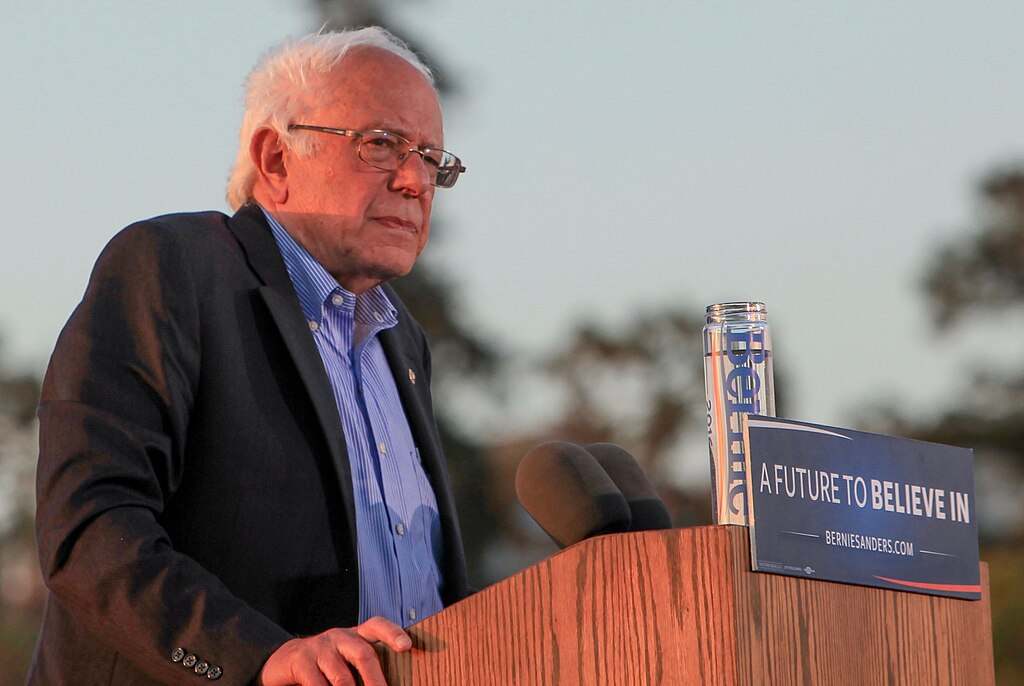
In a move that has surprised both political insiders and everyday Americans, Senator Bernie Sanders has expressed his willingness to work with President-elect Donald Trump to tackle excessive credit card interest rates. Sanders, a long-time advocate for financial reform, aims to cap credit card interest rates at 10%, a measure he argues is long overdue to protect consumers from predatory lending practices.
The announcement has sparked intense debate, as it marks one of the first instances of bipartisan agreement between Sanders, a self-described democratic socialist, and Trump, a polarizing conservative figure. The collaboration highlights a shared concern over what both see as the exploitation of working-class Americans by major financial institutions.
A Common Enemy: Big Banks
The financial industry, particularly credit card companies and large banks, is the central focus of the proposed reform. Sanders has criticized institutions that charge Americans interest rates of up to 30% on credit cards, while raking in record-breaking profits. Trump’s administration, according to insiders, is reportedly open to Sanders’ proposal as part of a broader effort to address economic grievances among working- and middle-class voters.
Sanders has long advocated for stricter regulation of financial institutions, and this plan aligns with his previous calls to end what he describes as “unbridled corporate greed.” For Trump, the initiative is seen as a populist strategy to maintain support from voters who are increasingly disillusioned by financial inequality.
Criticism and Controversy
While the collaboration between Sanders and Trump has been lauded by some as a rare example of bipartisan cooperation, it has also drawn criticism from both ends of the political spectrum.
Progressive activists have expressed skepticism, fearing that Trump’s administration may not fully commit to the necessary regulatory measures to enforce such a cap. Meanwhile, conservatives argue that government interference in setting interest rates could stifle competition and hurt financial institutions.
Big banks, predictably, have pushed back against the proposal. Industry leaders warn that a cap on interest rates could lead to reduced credit availability for consumers, especially those with lower credit scores, effectively penalizing the very individuals the measure aims to protect.
A Historic Financial Reform?
If enacted, a 10% cap on credit card interest rates would represent one of the most significant consumer protection measures in recent history. For millions of Americans burdened by high-interest credit card debt, the reform could provide much-needed relief. However, the logistical challenges of implementing such a cap and the potential economic consequences remain points of contention.
As Sanders and Trump prepare to tackle the financial sector, their partnership underscores the growing frustration with an economic system that many Americans feel is stacked against them. Whether this collaboration will yield tangible results or fizzle out amid political and industry resistance remains to be seen.
The Road Ahead
Sanders and Trump’s shared focus on credit card interest rates may signal a broader shift toward populist financial reforms. However, the question of whether their alliance can overcome entrenched corporate interests looms large. For now, their bipartisan push has reignited national conversations about fairness and equity in the U.S. economy.







