


 Netanyahu’s Brief US Trip Highlights Strains With Trump
  Netanyahu Defends Israel at UN as Delegates Stage Walkout
  Ukrainian Drone Attacks Hit Russian Regions, Injuring at Least 12
  Mexico-US Trade Talks Delayed to October as Tariff Negotiations Continue
  Russian Missile and Drone Attack on Kyiv Kills Two, Damages Maternity Hospital
  France Defends Netanyahu Airspace Clearance Despite ICC Warrant
  Trump Asks Supreme Court to Restore Third-Country Deportations
  Abbas Reaffirms November 28 Palestinian Elections
  EU Defence Build-Up Too Slow for 2030 Russia Readiness Goal
  Sudan Rejects US Legitimacy Remarks, Defends Sovereignty
  Ghana Says Western Support Growing for Slave Trade Reparations
  Trump, Xi Visit US National Archives After White House Summit
  Pezeshkian Says US Must Choose When Iran War Ends
  North Korea Rejects Nuclear Test Warning, Calls Nuclear Status Irreversible
  US Senate Rejects Iran War Powers Resolution in 50-49 Vote
  Yemen Violence Displaces 130,000 as Civilian Toll Rises
  Kremlin Says No Decision Yet on Putin-Trump December Summit


 Add as a preferred source on Google
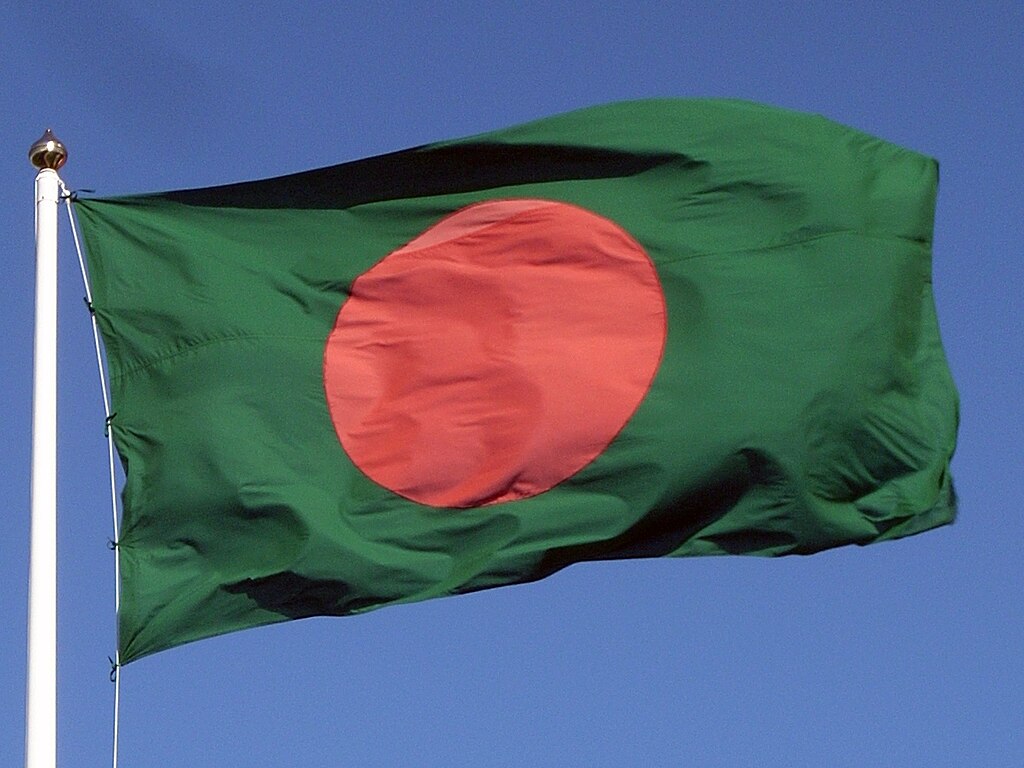
Bangladesh heads to the polls on Thursday in a landmark general election following the 2024 ouster of long-time Prime Minister Sheikh Hasina in a Gen Z-led uprising. The vote is widely seen as a defining moment for the country’s democratic future and political stability after months of unrest that disrupted key sectors, including the garments industry—Bangladesh’s largest export earner and the world’s second-largest apparel exporter.
Nearly 128 million registered voters, 49% of them women, are eligible to cast ballots for 300 seats in the Jatiya Sangsad, or National Parliament. More than 2,000 candidates from at least 50 political parties are contesting, marking a record level of participation. Voting in one constituency has been postponed due to the death of a candidate. Polling stations open at 7:30 a.m. and close at 4:30 p.m., with preliminary results expected by midnight and final results likely by Friday morning.
The election pits two rival coalitions led by the Bangladesh Nationalist Party (BNP) and the Islamist Jamaat-e-Islami. Opinion polls suggest the BNP, led by Tarique Rahman, holds a slight advantage over Jamaat chief Shafiqur Rahman. Hasina’s Awami League remains banned, and she continues to live in self-imposed exile in India, straining Bangladesh-India relations and potentially expanding China’s regional influence.
Alongside the parliamentary vote, citizens will decide on constitutional reforms, including introducing a neutral interim election government, creating a bicameral legislature, strengthening judicial independence, increasing women’s representation, and imposing a two-term limit for future prime ministers.
Security has been tightened, with over 100,000 military personnel supporting police nationwide. Key voter concerns include corruption and rising inflation. After years of disputed elections and opposition boycotts, analysts say a free and fair vote—and acceptance of the results—will signal Bangladesh’s return to democratic governance.







