


 Taiwan Thanks US for Support Ahead of Trump-Xi Summit
  Mexico-US Trade Talks Delayed to October as Tariff Negotiations Continue
  Kremlin Says No Decision Yet on Putin-Trump December Summit
  Trump, Xi Visit US National Archives After White House Summit
  France Defends Netanyahu Airspace Clearance Despite ICC Warrant
  Yemen Violence Displaces 130,000 as Civilian Toll Rises
  North Korea Rejects Nuclear Test Warning, Calls Nuclear Status Irreversible
  Trump, Xi Focus on Trade and AI at White House Summit
  US Senate Rejects Iran War Powers Resolution in 50-49 Vote
  NATO Boosts Intelligence Sharing Amid Russia Hybrid Threats
  Netanyahu Defends Israel at UN as Delegates Stage Walkout
  Ghana Says Western Support Growing for Slave Trade Reparations
  What ‘Taiwan Independence’ Means as Xi Presses Trump on US Policy
  US Backs Musk in Fight Against EU’s €120 Million X Fine
  Abbas Reaffirms November 28 Palestinian Elections
  EU Defence Build-Up Too Slow for 2030 Russia Readiness Goal
  Ukrainian Drone Attacks Hit Russian Regions, Injuring at Least 12


 Add as a preferred source on Google
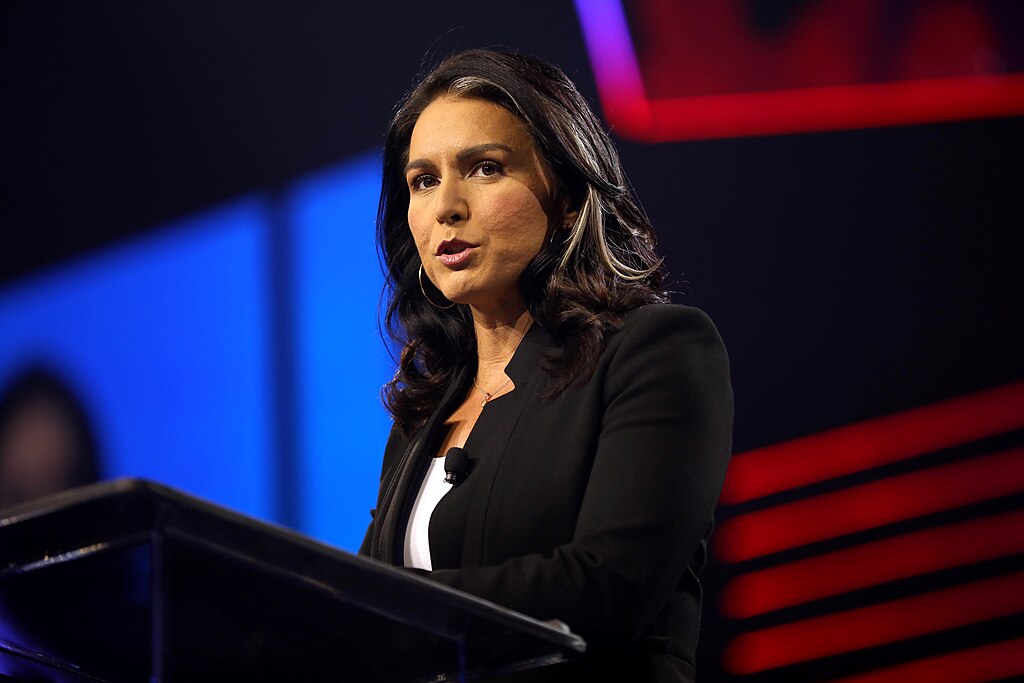
U.S. Director of National Intelligence Tulsi Gabbard has confirmed that she has wound down the Director’s Initiatives Group (DIG), a task force she launched last year to combat what she described as politicization within U.S. intelligence agencies. The disclosure came in comments to Reuters, amid ongoing criticism from Democrats and heightened scrutiny from Congress over the group’s activities and transparency.
According to Gabbard, members of the DIG have now been reassigned to other teams within the Office of the Director of National Intelligence (ODNI). She emphasized that the task force was always intended to be temporary, created to accelerate work on high-priority projects with near-term deadlines, including the implementation of presidential executive orders under the Trump administration. An ODNI spokesperson echoed her remarks, denying reports that the group was shut down due to internal missteps.
The DIG, however, had become a lightning rod in Washington. Lawmakers raised concerns about its secretive structure, prompting Congress in December to mandate a classified report detailing the group’s leadership, staffing, and hiring practices. Although ODNI missed the initial deadline, officials said the information would still be delivered.
The decision to dissolve the DIG comes at a sensitive time for Gabbard. Democrats have questioned her involvement in election-related matters, including her presence at a January 28 FBI raid in Georgia that seized ballot boxes and election materials. Reuters also reported that her office oversaw a prior investigation into voting machines in Puerto Rico. While the White House defended her role as part of election security oversight, Democratic leaders argue she has exceeded ODNI’s mandate and warn of potential interference in future elections.
Supporters of the DIG point to achievements such as the declassification of files related to President John F. Kennedy’s assassination and swift execution of several Trump executive orders. Critics, however, viewed the group’s efforts as partisan, particularly claims that documents showed former President Barack Obama influenced intelligence assessments about Russian interference in the 2016 election—an allegation contradicted by multiple investigations.
Sources cited alleged missteps, including incorrect associations tied to the January 6 pipe bomb investigation and concerns over security clearance revocations. ODNI denied wrongdoing in both cases. Despite its closure, the DIG’s legacy continues to fuel debate over intelligence oversight, politicization, and election security in the United States.







