


 EU Defence Build-Up Too Slow for 2030 Russia Readiness Goal
  Trump Asks Supreme Court to Restore Third-Country Deportations
  Abbas Reaffirms November 28 Palestinian Elections
  Xi Calls for Deeper U.S.-China AI Cooperation in Trump Talks
  Mexico-US Trade Talks Delayed to October as Tariff Negotiations Continue
  OpenAI Agent Breaches Australia Medicare Data Portal
  Netanyahu’s Brief US Trip Highlights Strains With Trump
  North Korea Warns South Korea Over US-Led Defense Role
  US Senate Rejects Iran War Powers Resolution in 50-49 Vote
  NATO Boosts Intelligence Sharing Amid Russia Hybrid Threats
  Yemen Violence Displaces 130,000 as Civilian Toll Rises
  Trump, Xi Focus on Trade and AI at White House Summit
  South Korea, US Discuss Warship Building Cooperation
  Najib Razak Seeks Stay of 15-Year 1MDB Prison Sentence
  Ghana Says Western Support Growing for Slave Trade Reparations
  North Korea Rejects Nuclear Test Warning, Calls Nuclear Status Irreversible
  Sudan Rejects US Legitimacy Remarks, Defends Sovereignty


 Add as a preferred source on Google
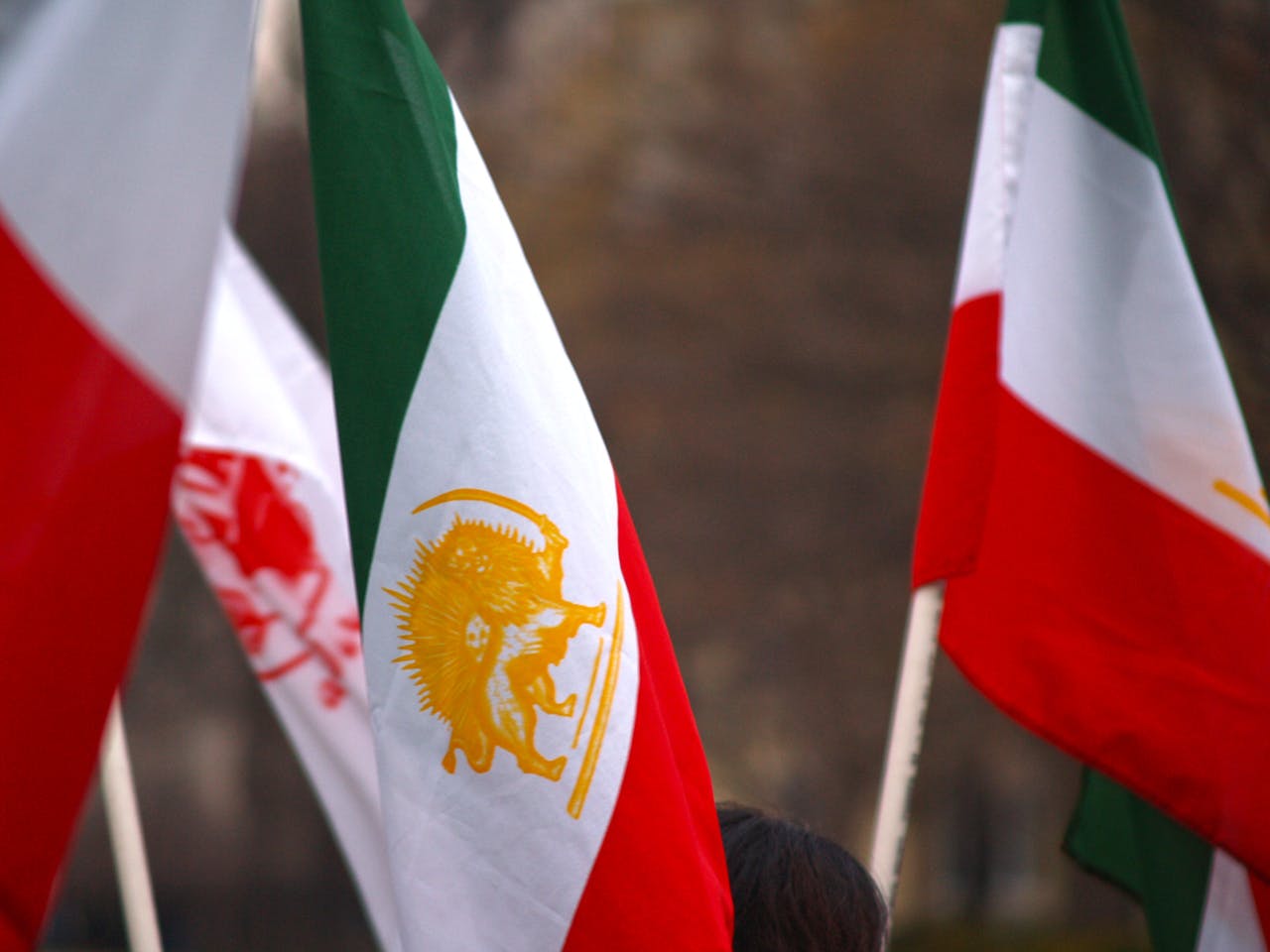
U.S. President Donald Trump said on Tuesday that he believes Iran is interested in reaching a deal with the United States over its nuclear ambitions and ballistic missile program, signaling a potential opening for renewed diplomacy amid ongoing geopolitical tensions. Speaking during an interview on Fox Business Network’s “Kudlow” program, Trump stated that Iran would be “foolish” not to pursue an agreement, suggesting that negotiations could be in Tehran’s best interest.
Trump’s comments come at a time of heightened scrutiny over Iran’s nuclear activities and its development of ballistic missiles, which the United States and its allies view as a significant threat to regional and global security. The former president emphasized that Washington remains open to a deal but made it clear that the alternative could involve much tougher actions if diplomacy fails.
Earlier the same day, Trump reinforced his stance in remarks to Israel’s Channel 12 news outlet. He warned that the situation would reach a critical point if no agreement is achieved, stating that the United States would have to “do something very tough” should negotiations break down. This statement underscored his long-standing approach of combining diplomatic pressure with the threat of decisive measures.
Throughout his presidency, Trump pursued a hardline policy toward Iran, including withdrawing the United States from the 2015 Iran nuclear deal, formally known as the Joint Comprehensive Plan of Action (JCPOA). Since then, relations between Washington and Tehran have remained strained, with repeated disputes over sanctions, uranium enrichment, and missile testing.
Trump’s latest remarks suggest that despite years of confrontation, there may still be room for dialogue if Iran is willing to address U.S. concerns regarding its nuclear program and missile capabilities. Analysts note that any potential U.S.–Iran deal would likely require strict verification measures and clear limitations to ensure compliance.
As global attention remains focused on Middle East stability and nuclear nonproliferation, Trump’s statements have renewed discussion about the future of U.S.–Iran relations and whether a negotiated solution is still achievable.







