


 Ghana Says Western Support Growing for Slave Trade Reparations
  Ukrainian Drone Attacks Hit Russian Regions, Injuring at Least 12
  Gold Prices Fall as Treasury Yields Rise on Fed Rate Hike Bets
  Trump, Xi Focus on Trade and AI at White House Summit
  US 10-Year Treasury Yield at 6% Emerges as New Market Risk Threshold
  South Korea, US Discuss Warship Building Cooperation
  NATO Boosts Intelligence Sharing Amid Russia Hybrid Threats
  Taiwan Thanks US for Support Ahead of Trump-Xi Summit
  Wall Street Ends Flat as Oil, Treasury Yields and Fed Jitters Rattle Markets
  Mexico-US Trade Talks Delayed to October as Tariff Negotiations Continue
  Judge Orders Trump to Restore White House Access for CNN, MS NOW and Politico
  Fed Unveils Stablecoin Rules Under GENIUS Act
  Sudan Rejects US Legitimacy Remarks, Defends Sovereignty
  Netanyahu Defends Israel at UN as Delegates Stage Walkout
  Oil Prices Ease as Iran Tensions Clash With Diplomacy Hopes
  Netanyahu Takes Aim at Mamdani as Israel Election Nears
  North Korea Rejects Nuclear Test Warning, Calls Nuclear Status Irreversible


 Add as a preferred source on Google
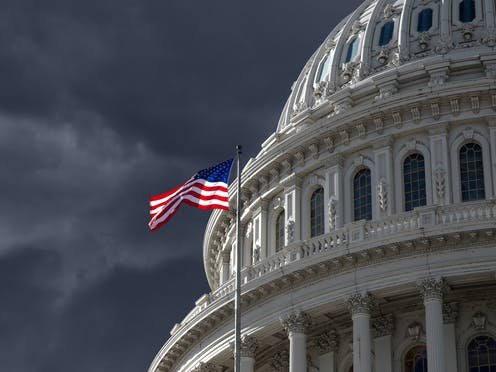
The U.S. House of Representatives voted Wednesday evening to terminate the national emergency declared by President Donald Trump to impose tariffs on Canada, marking a significant development in the ongoing debate over U.S. trade policy. Lawmakers approved the Democratic-backed resolution in a 219-211 vote, with six Republicans joining most Democrats in support of the measure. The decision highlights growing bipartisan concern over the economic impact of Trump’s tariffs on American households and businesses.
The vote came just one day after the House overturned a procedural block that had prevented challenges to the administration’s tariff policies. The resolution now heads to the U.S. Senate, where it faces long odds. Overriding a presidential veto would require a two-thirds majority in both chambers of Congress, and Trump is widely expected to reject the measure if it reaches his desk.
Despite the uphill battle in the Senate, the House vote signals increasing momentum against Trump’s trade tariffs, particularly the 25% tariff imposed on Canadian imports in early 2025. The administration later raised the tariff to 35% on goods not covered under the U.S.-Mexico-Canada Agreement (USMCA). Trump has also threatened a 100% tariff on Canadian products if Canada moves forward with a trade deal with China, raising concerns about a potential trade embargo.
Critics argue that the tariffs function as a tax increase on American consumers. According to a Tax Foundation study, Trump’s tariffs equate to an average tax hike of $1,000 per U.S. household in 2025 and $1,300 in 2026. As debate intensifies over U.S.-Canada trade relations, the Senate’s upcoming vote could shape the future of U.S. tariff policy and broader economic strategy.







