


 Netanyahu Defends Israel at UN as Delegates Stage Walkout
  China’s ‘Lipstick King’ Says AI Won’t Replace Livestream Hosts
  Gold Holds Near $4,275 as Rising Treasury Yields Fuel Fed Rate Hike Bets
  US Senate Rejects Iran War Powers Resolution in 50-49 Vote
  Japanese Bank Stocks Surge as Bond Yields Fuel Rate Hike Bets
  Oil Prices Jump 3% as Houthi Attack Revives Supply Fears
  RBI Uses $10 Billion Currency Swaps to Drain Excess Rupee Liquidity
  U.S. 10-Year Treasury Yield Hits 2007 High as Fed Rate Hike Bets Rise
  Oil Prices Surge as U.S.-Iran Diplomacy Hopes Fade
  South Korea, US Discuss Warship Building Cooperation
  Xi Calls for Deeper U.S.-China AI Cooperation in Trump Talks
  U.S. Dollar Hits Two-Month High as Oil, Treasury Yields Surge
  Asian Stocks Fall as Bond Yields Surge Ahead of Trump-Xi Summit
  OpenAI Agent Breaches Australia Medicare Data Portal
  NATO Boosts Intelligence Sharing Amid Russia Hybrid Threats
  Netanyahu’s Brief US Trip Highlights Strains With Trump
  Mexico-US Trade Talks Delayed to October as Tariff Negotiations Continue


 Add as a preferred source on Google
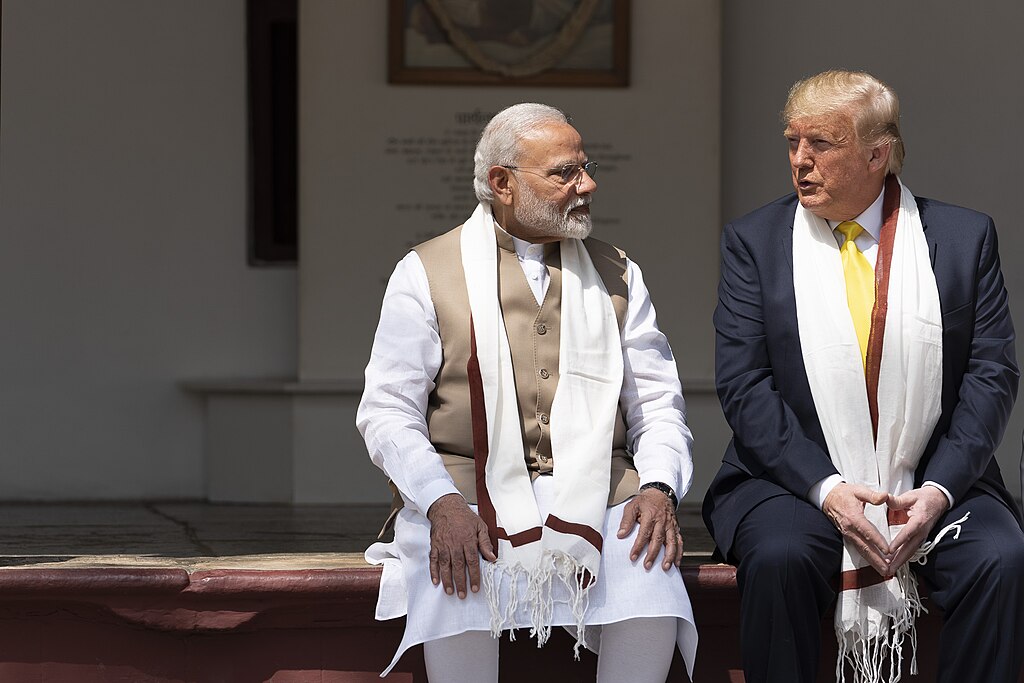
India has agreed to remove its digital services tax and committed to purchasing more than $500 billion worth of American goods under a recent trade agreement with the United States, according to a White House fact sheet released on Monday evening. The announcement marks a significant development in US–India trade relations and signals a broader shift in India’s trade and economic policy alignment with Washington.
As part of the deal, India will eliminate or substantially reduce tariffs on all US industrial goods, alongside a wide range of agricultural imports. These measures are expected to improve market access for American exporters while strengthening bilateral trade flows between the two economies. The agreement also includes India’s commitment to negotiate a new framework for bilateral digital trade rules, replacing policies that had previously been a point of contention between the two countries.
The White House said New Delhi has agreed to work closely with the US in the coming weeks to finalize additional trade agreements, suggesting that this deal is part of a broader, evolving economic partnership. The removal of India’s digital services tax is particularly notable, as the levy had affected major US technology companies and was a long-standing concern for American policymakers.
This latest fact sheet follows the signing of a trade agreement just one week earlier, under which the United States sharply reduced tariffs on Indian goods to 18%, down from 50%. In exchange, India agreed to halt purchases of Russian oil and implement regulatory changes that allow for increased imports from the United States, further deepening economic cooperation between the two nations.
The deal is being closely watched by global markets, as it reflects shifting geopolitical and trade dynamics, especially amid ongoing tensions involving Russia and global supply chains. Analysts say the agreement could reshape trade flows in technology, energy, agriculture, and manufacturing, while reinforcing the strategic partnership between Washington and New Delhi.
For investors and policymakers alike, the US–India trade deal represents a major step toward deeper economic integration and a rebalancing of global trade priorities.







