


 Marco Rubio Seeks Gulf Support for U.S.-Iran Peace Deal Amid Regional Concerns
  Marco Rubio Reassures Gulf Allies Over U.S.-Iran Peace Deal
  Andy Burnham Emerges as Favorite After Keir Starmer Resigns
  Russia-Ukraine War: Fresh Strikes Injure Civilians as Fuel Crisis Worsens in Russia
  Pelosi Discloses Major Intel and Uber Call Option Purchases Worth Up to $6 Million
  Japan Signals Preference for Low Interest Rates as BOJ Policy Debate Intensifies
  Trump Threatens ABC News Lawsuit Over Lincoln Memorial Reflecting Pool Coverage
  U.S. Eases Iran Team Travel Restrictions Ahead of Seattle World Cup Match
  Bessent Says U.S. Must Strengthen Supply Chains and Economic Security
  ICC Judges Sue Trump Administration Over Sanctions, Calling Measures Unlawful
  U.S. Reviewing Potential F-35 Fighter Jet Sale to Turkey Amid S-400 Dispute
  DOJ Opens Investigation Into NYC Coffee Shop Over Anti-Goldman Social Media Post
  White House Seeks $1.4 Billion to Combat Growing Ebola Outbreak
  Lebanon Pushes Ahead With Israel Talks Despite Iran-U.S. Deal Impact
  Trump Requests $11 Billion More in Farm Aid as Rising Costs Pressure U.S. Farmers
  Trump Orders DOJ Investigation Into Exxon, Chevron Over High Gas Prices


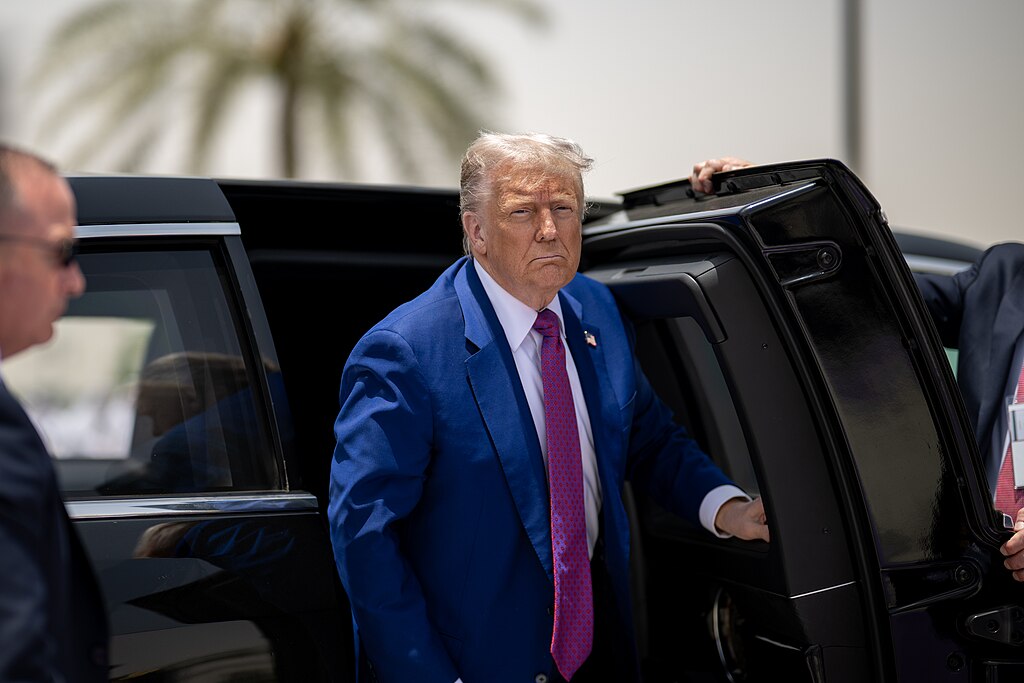
U.S. President Donald Trump said on Tuesday that he is considering sending a second U.S. aircraft carrier to the Middle East, a move that comes as Washington and Tehran prepare to resume diplomatic talks aimed at preventing a renewed conflict. The statement has heightened attention on U.S.-Iran relations, regional security, and the future of negotiations over Iran’s nuclear and missile programs.
Talks between the United States and Iran, facilitated by Oman last week, were described by Iranian officials as constructive enough to justify continuing diplomacy. Iran’s foreign ministry spokesperson said the discussions allowed Tehran to assess Washington’s seriousness and revealed sufficient consensus to move forward. These talks followed the earlier deployment of a U.S. aircraft carrier to the region, a step that had raised fears of potential military escalation.
In interviews with Israeli media and Axios, Trump warned that the U.S. would take “very tough” action if no agreement is reached with Iran. He confirmed that the Pentagon is reviewing options to deploy another carrier, with the USS George Washington, USS George H.W. Bush, or USS Gerald R. Ford cited as possible candidates, though each would take at least a week to arrive.
Regional tensions remain high. A Reuters analysis of satellite imagery showed increased U.S. military activity across the Middle East, including missile systems placed on mobile launchers at Qatar’s al-Udeid Air Base. Meanwhile, oil prices eased slightly as markets weighed the diplomatic signals against the military buildup.
Iran continues to insist that its ballistic missile program is non-negotiable and that any deal must include the lifting of U.S. sanctions and recognition of its nuclear rights, including uranium enrichment. Washington, however, has demanded Iran relinquish its stockpile of uranium enriched to 60%, close to weapons-grade levels. U.S. Vice President JD Vance said Trump will ultimately decide the red lines in negotiations.
As Oman and Qatar continue their mediation efforts, the outcome of the next round of U.S.-Iran talks could shape the future of Middle East stability, global energy markets, and international security.







