


 Jared Isaacman Confirmed as NASA Administrator, Becomes 15th Leader of U.S. Space Agency
  Tabletop particle accelerator could transform medicine and materials science
  Trump Signs Executive Order to Boost AI Research in Childhood Cancer
  SpaceX’s Starship Completes 11th Test Flight, Paving Way for Moon and Mars Missions
  Blue Origin New Glenn Rocket Explodes During Launch Pad Test, Delaying Space Ambitions
  SpaceX Prioritizes Moon Mission Before Mars as Starship Development Accelerates
  SpaceX Delays Starship V3 Launch Ahead of Potential Record IPO
  Blue Origin’s New Glenn Achieves Breakthrough Success With First NASA Mission
  Cogent Biosciences Soars 120% on Breakthrough Phase 3 Results for Bezuclastinib in GIST Treatment
  China vs. NASA: The New Moon Race and What's at Stake by 2030
  Trump and Merck KGaA Partner to Slash IVF Drug Costs and Expand Fertility Coverage


 Add as a preferred source on Google
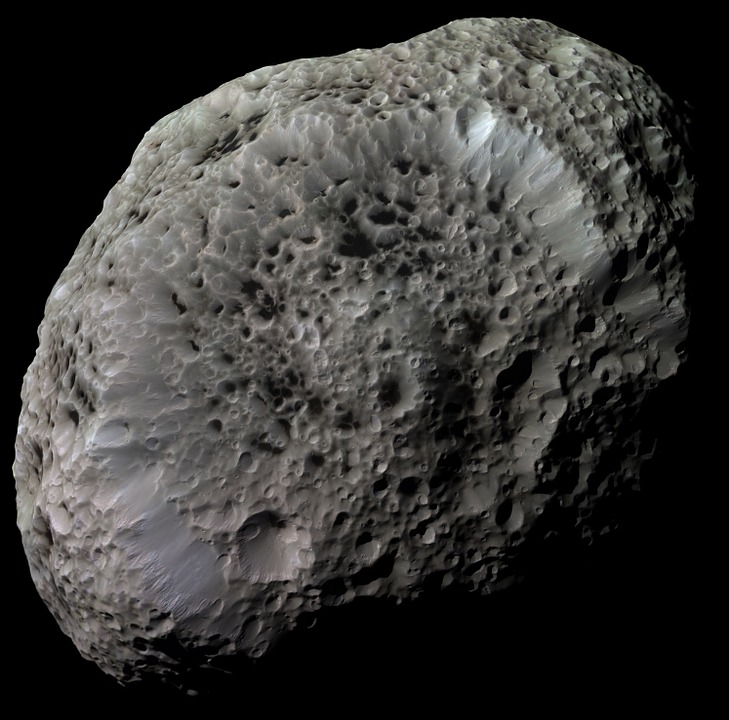
One of the asteroids that space agencies are keeping tabs on is the asteroid Apophis. In contrast to previous studies predicting when Apophis would arrive by Earth, astronomers have raised a concern that the asteroid is already hurtling through space at an accelerated rate.
Many predictions have been made toward the time asteroid Apophis would arrive by our planet. Last year, NASA predicted that the asteroid would pass by Earth by 2036 but there have been indications that suggest it would arrive a lot sooner by 2029. Recently, NASA has confirmed the date of the asteroid’s flyby with our planet that will take place on April 13, 2029. The closest the asteroid will get to Earth would be from a distance of 37,725 kilometers away, which is 10 percent of the average distance between the Earth and the Moon.
“This will be the closest approach by something this large currently known,” said Lance Benner of NASA in a statement. “Apophis will be visible to the unaided eye for several hours, and Earth tides will probably change its spin state,” Benner added, noting when the asteroid will finally make its passing by.
Astronomers from the University of Hawaii however, have found a slight change in the asteroid’s trajectory. The trackers have detected a Yarkovsky acceleration in Apophis which refers to the slight push by outside forces that would change the space rock’s position in an orbit. This would prove especially crucial for Apophis as it could have an impact on its probability to collide with Earth by 2068.
Previously, residents from the western coast of the United States were able to witness a fireball passing over the night skies a few weeks ago on October 23. Citizens of California, Oregon, and Washington were able to spot the asteroid flying over the skies and many reports have been made to the International Meteor Organization.
Many witnesses have described the sighting as “incredible,” while one user shared that they initially thought it was a firework until they were convinced it was a meteor. Other citizens who saw the asteroid described it as bigger and brighter than any other shooting star they had seen.







