


 NASA Resumes Cygnus XL Cargo Docking with Space Station After Software Fix
  Trump Signs Executive Order to Boost AI Research in Childhood Cancer
  Eli Lilly’s Inluriyo Gains FDA Approval for Advanced Breast Cancer Treatment
  Neuralink Plans High-Volume Brain Implant Production and Fully Automated Surgery by 2026
  Blue Origin New Glenn Rocket Explodes During Launch Pad Test, Delaying Space Ambitions
  SpaceX Delays Starship V3 Launch Ahead of Potential Record IPO
  SpaceX Pivots Toward Moon City as Musk Reframes Long-Term Space Vision
  China vs. NASA: The New Moon Race and What's at Stake by 2030
  FDA Adds Fatal Risk Warning to J&J and Legend Biotech’s Carvykti Cancer Therapy
  SpaceX’s Starship Completes 11th Test Flight, Paving Way for Moon and Mars Missions
  Tabletop particle accelerator could transform medicine and materials science


 Add as a preferred source on Google
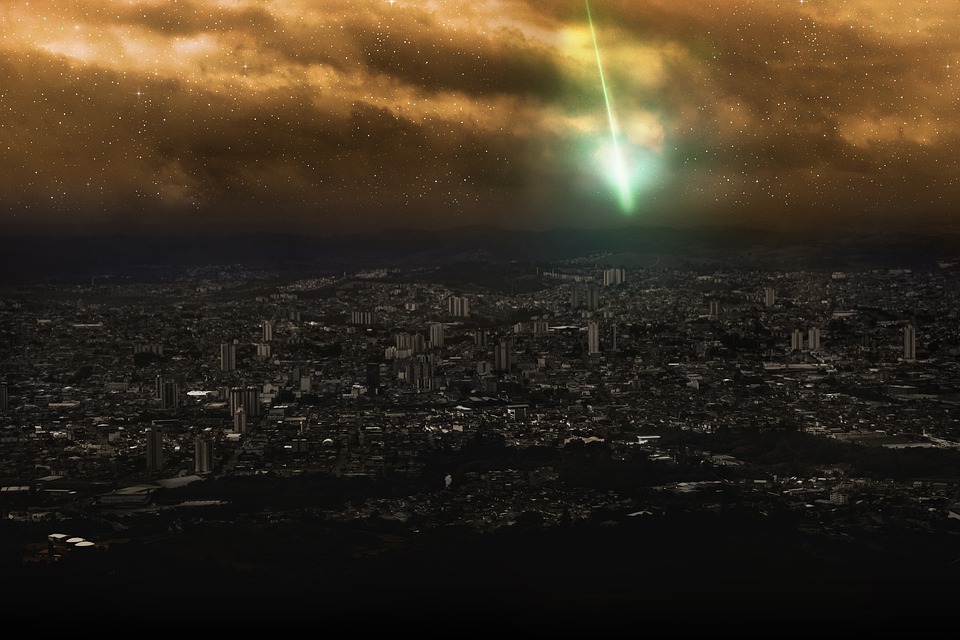
Halloween was celebrated over the weekend and many still found ways to celebrate the spooky occasion even in the midst of a pandemic. Even the occurrences in space during the holiday were also a treat as residents in the United States were able to witness an asteroid or a fireball in the skies.
A fireball or asteroid was seen over the skies of northeastern US on Saturday, October 31. The passing phenomenon was visible to residents of nine states as far as 900 kilometers away. Those who were able to witness the incident shared their reports to the International Meteor Organization that has since collected 200 reports of the sighting. One video captured on CCTV showed a fireball seemingly growing in size as it passed over the skies before disappearing.
One witness said that it was the biggest and brightest shooting star they had ever seen. Another witness described the fireball as passing over a lot closer than the usual shooting stars in the skies. “Had a white to light yellow head with a green to blue tail and seemed to have a white streak behind it but not a long one. I thought it was a firecracker at first but it didn’t make sense to be falling and I never heard a noise,” said the witness.
Fireballs are actually meteors or asteroids that collide with our planet’s atmosphere. The air seeps into the space rock’s cracks and crevices, pushing everything apart and causing the debris to explode. According to the IMO, space rocks that are larger than a millimeter can produce a bright flash as they pass over the skies.
Aside from these asteroids, astronomers recently found an active centaur within our solar system. Centaurs are referred to space rocks that have the same attributes as comets or even asteroids. Scientists believe that centaurs come from beyond the orbit of Neptune and are hurtling towards the Sun.
Centaurs are also responsible for the Late Heavy Bombardment that occurred around 3.8 billion years ago when asteroids rained down on Earth. These space rocks have the same rock-like body, but produce gas and vapor in their tails which are called comas, similar to comets.







