


 Oil Prices Jump 3% as Houthi Attack Revives Supply Fears
  Asian Currencies Mixed as Dollar Holds Near Two-Month High
  China’s ‘Lipstick King’ Says AI Won’t Replace Livestream Hosts
  Russian Envoy Dmitriev Heads to US for Ukraine Talks
  Soybean Futures Slip as Traders Await Trump-Xi Trade Signals
  US 10-Year Treasury Yield at 6% Emerges as New Market Risk Threshold
  Australia Unemployment Hits Five-Year High Despite Strong Jobs Growth
  Wall Street Falls as Treasury Yields Surge, Oil Rebounds on Iran Tensions
  South Korea, US Discuss Warship Building Cooperation
  U.S. Dollar Hits Two-Month High as Oil, Treasury Yields Surge
  US, China Extend Trade Truce to Jan. 10 Ahead of Trump-Xi Summit
  Fed Unveils Stablecoin Rules Under GENIUS Act
  Japan Private-Sector Growth Slows as Domestic Demand Weakens
  Oil Prices Ease as Iran Tensions Clash With Diplomacy Hopes
  Dollar Holds Near Two-Month High as Yen Approaches 160
  Asian Stocks Fall as Surging Bond Yields Rattle Markets
  Trump, Xi Focus on Trade and AI at White House Summit


 Add as a preferred source on Google
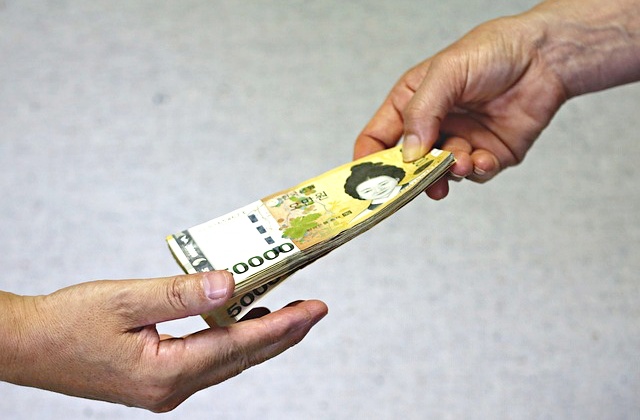
Asian currencies mostly weakened on Friday while the U.S. dollar moved higher as investors reacted to renewed tensions between the United States and Iran, alongside expectations surrounding the upcoming U.S. nonfarm payrolls report. The stronger dollar reflected renewed demand for safe-haven assets amid geopolitical uncertainty in the Middle East.
The U.S. Dollar Index climbed 0.2% during Asian trading hours, recovering from recent declines. Dollar Index futures also posted a 0.2% gain as market participants shifted toward defensive positions following reports of military exchanges near the Strait of Hormuz, one of the world’s most critical oil shipping routes.
According to reports, Iranian and U.S. forces exchanged fire on Thursday after Iran accused Washington of targeting vessels and coastal areas near Qeshm Island. The United States stated that its actions were defensive after Iranian drones, missiles, and small boats allegedly approached U.S. Navy destroyers operating in the area.
Despite the escalation, U.S. President Donald Trump said the ceasefire agreement remained active and described the incident as limited in scope. Iranian officials also suggested the situation had stabilized, easing fears of a broader regional conflict. Investors interpreted these comments as a sign that diplomatic efforts between the two nations were still ongoing.
Currency markets across Asia showed cautious movement. The Japanese yen remained largely stable against the dollar, while the South Korean won weakened by 0.4%. China’s yuan also edged lower, with the USD/CNY pair rising 0.1%.
Elsewhere, the Indian rupee traded flat, the Singapore dollar slipped slightly, and the Australian dollar fell 0.2% against the greenback. Analysts noted that regional currencies may continue to consolidate as traders await fresh signals from U.S. economic data.
Market attention is now focused on the U.S. nonfarm payrolls report, which could influence expectations for future Federal Reserve interest rate decisions and overall dollar direction in global forex markets.







