


 US Comfortable With Canada Trade Standoff as Import Bans Loom
  Gold Prices Fall as Treasury Yields Rise on Fed Rate Hike Bets
  U.S. Treasury Yields Surge as 30-Year Hits 22-Year High
  Japanese Yen Rebounds as Trump Flags Currency Weakness
  Australia Unemployment Hits Five-Year High Despite Strong Jobs Growth
  Trump, Xi Focus on Trade and AI at White House Summit
  Dollar Holds Near Two-Month High as Yen Approaches 160
  Wall Street Ends Flat as Oil, Treasury Yields and Fed Jitters Rattle Markets
  Fed Unveils Stablecoin Rules Under GENIUS Act
  Japan Private-Sector Growth Slows as Domestic Demand Weakens
  Oil Prices Ease as Iran Tensions Clash With Diplomacy Hopes
  Asian Currencies Mixed as Dollar Holds Near Two-Month High
  Oil Prices Fall on U.S.-Iran Hormuz Deal Hopes
  Dollar Falls as Oil Eases, Yen Jumps on Intervention Signals
  Oil Prices Jump 3% as Houthi Attack Revives Supply Fears
  Japanese Bank Stocks Surge as Bond Yields Fuel Rate Hike Bets
  Asian Stocks Fall as Bond Yields Surge Ahead of Trump-Xi Summit


 Add as a preferred source on Google
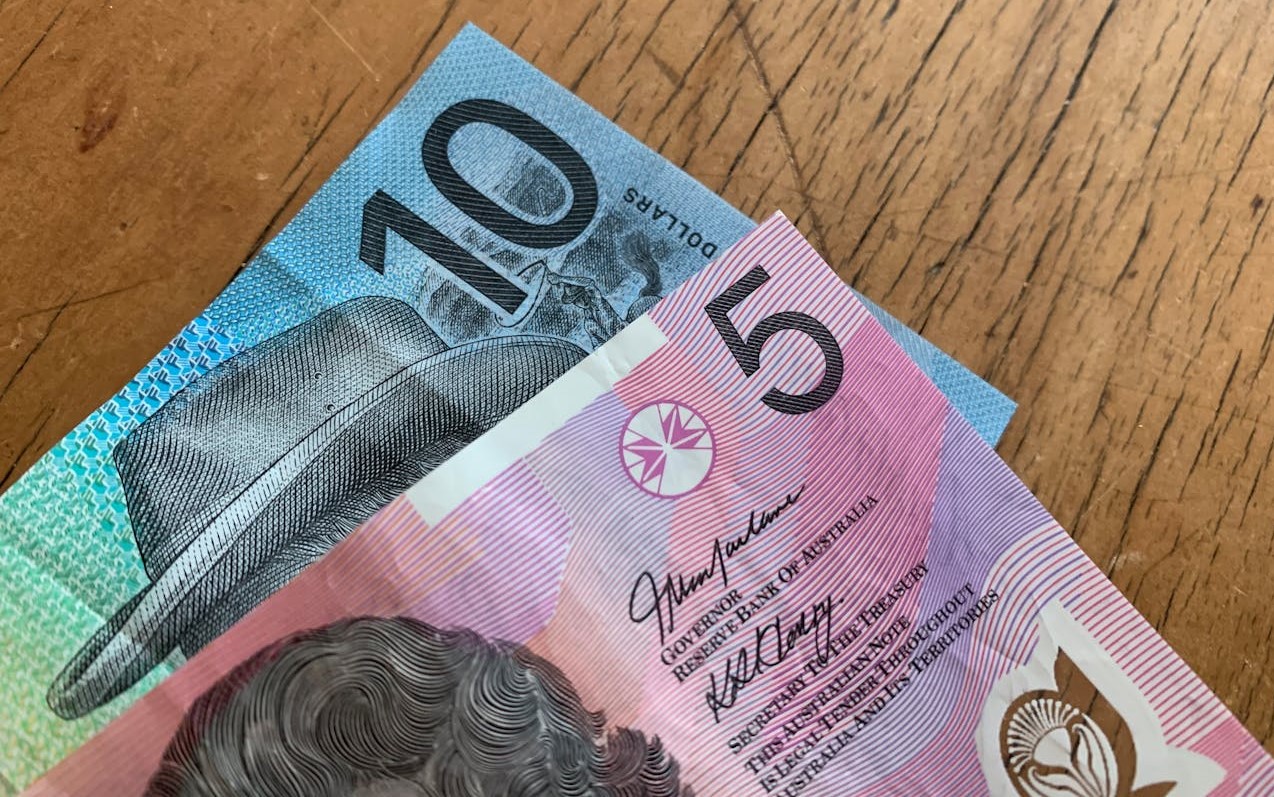
Asian currencies were mostly stable on Thursday after sharp losses the previous day, as the U.S. dollar strengthened on the back of Federal Reserve minutes that signaled growing uncertainty over a potential December rate cut. The greenback’s rise pressured several regional currencies, highlighting ongoing volatility in global foreign exchange markets.
The Fed’s October meeting minutes revealed a split among policymakers: while many participants dismissed the likelihood of a December rate cut, several still considered it a possibility. This division underscored doubts surrounding the U.S. economic outlook and prompted traders to scale back expectations of imminent monetary easing. MUFG analysts noted that while they still anticipate a rate cut in December, the meeting is shaping up to be highly divided given inconsistent U.S. data.
Following the release, the U.S. Dollar Index jumped 0.7%, a move interpreted by markets as a temporary shift toward a more hawkish Fed stance. The impact reverberated across Asia. The South Korean won saw modest upward movement in the USD/KRW pair, while the Singapore dollar and Indian rupee also recorded slight increases against the dollar. The Australian dollar recovered mildly after a previous decline, and both onshore and offshore Chinese yuan pairs hovered near recent levels.
Meanwhile, China kept its loan prime rate unchanged, consistent with expectations that Beijing sees less urgency for new stimulus measures.
The Japanese yen weakened further, with USD/JPY touching 157.36—its lowest level in ten months—as traders reacted to fiscal uncertainty and the lack of clear intervention signals from officials. Although Bank of Japan Governor Kazuo Ueda met with key ministers, authorities emphasized that exchange rate discussions were not part of the meeting. Analysts at MUFG pointed to uncertainties surrounding Japan’s fiscal stimulus and geopolitical tensions with China as additional factors weighing on the yen. While they expect USD/JPY to trend lower by 2026, short-term pressures continue to favor weakness in the Japanese currency.







