


 NASA Artemis II: First Crewed Moon Mission Since Apollo Takes Four Astronauts on 10-Day Lunar Journey
  NASA Resumes Cygnus XL Cargo Docking with Space Station After Software Fix
  Blue Origin New Glenn Rocket Explodes During Launch Pad Test, Delaying Space Ambitions
  Cogent Biosciences Soars 120% on Breakthrough Phase 3 Results for Bezuclastinib in GIST Treatment
  Blue Origin’s New Glenn Achieves Breakthrough Success With First NASA Mission
  Eli Lilly’s Inluriyo Gains FDA Approval for Advanced Breast Cancer Treatment
  FDA Adds Fatal Risk Warning to J&J and Legend Biotech’s Carvykti Cancer Therapy
  Is space worth the cost? Accounting experts say its value can’t be found in spreadsheets
  SpaceX Pivots Toward Moon City as Musk Reframes Long-Term Space Vision
  Trump Signs Executive Order to Boost AI Research in Childhood Cancer
  Neuralink Expands Brain Implant Trials with 12 Global Patients
  SpaceX Prioritizes Moon Mission Before Mars as Starship Development Accelerates
  SpaceX Delays Starship V3 Launch Ahead of Potential Record IPO
  Trump Administration to Launch Autism Initiatives Targeting Acetaminophen Use and New Treatment Options


 Add as a preferred source on Google
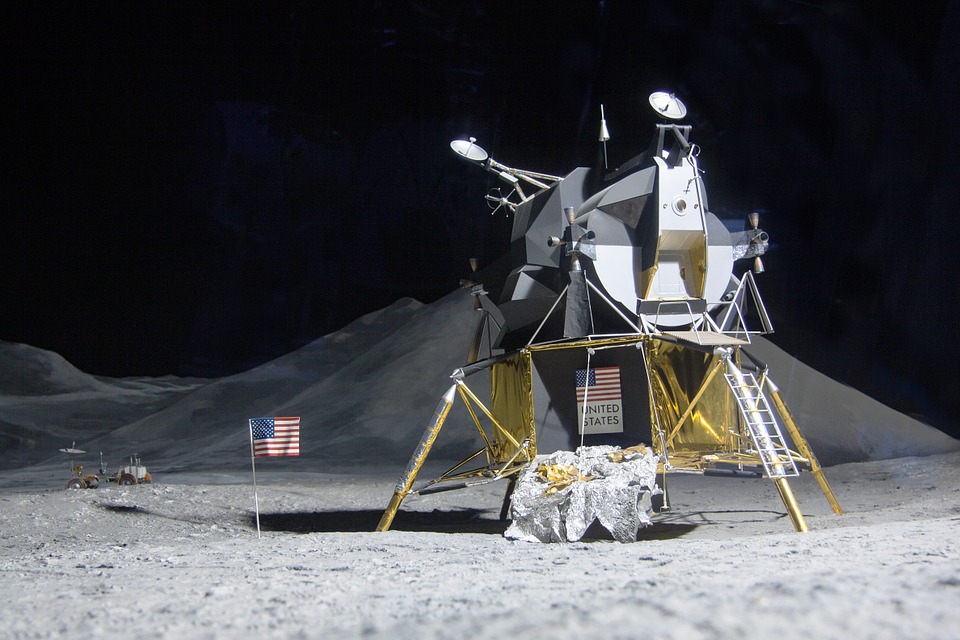
It was in 1969 that Neil Armstrong and Buzz Aldrin made history as the first men on the moon. Years later, their colleague Michael Collins reveals what brought him to be part of the historic mission.
In an interview with PBS, astronaut Michael Collins recalled his time at NASA and being part of the historic moon mission. Collins revealed that luck was what brought him there. Being a believer in luck, Collins revealed that this was what he thought made him part of the Apollo 11 mission, something he never told his superiors at the space agency at the time. “Luck should be put on my gravestone,” said Collins.
The astronaut then went on to say that he just so happened to be at the right place at the right time, and was lucky enough to be selected. Even during practice sessions, Collins experienced another stroke of luck despite his fears of the possible situations that he might end up in. He never admitted how scared he was because he was afraid of being grounded if he said anything. Describing the iconic moon mission, Collins said that it was like a “long and fragile daisy chain of events. Any one of those links breaks, everything downstream from that is useless,”
Collins also explained how there are so many things that could go wrong because the machines they had to work with during that mission were very complex. He recalled how he could never relax at that time as well because he kept thinking of what would happen next.
He also revealed something him, Aldrin, and Armstrong had never talked about but somewhat knew at the time as well. Collins revealed how there was a possibility that they could die, but they never talked about it. He explained how all three of them were fully aware of the dangers that came with the job, but they never talked about how dangerous it could get for them nor doubt if they should still continue.
“It was way back in some obscure dark corner of our minds, but we had more important things to do or more important things to take care of.”







