


 US Senate Rejects Iran War Powers Resolution in 50-49 Vote
  US Invites Putin to Miami G20, Opening Door to Trump Summit
  Taiwan Thanks US for Support Ahead of Trump-Xi Summit
  Abbas Reaffirms November 28 Palestinian Elections
  OpenAI Agent Breaches Australia Medicare Data Portal
  Netanyahu Defends Israel at UN as Delegates Stage Walkout
  South Korea, US Discuss Warship Building Cooperation
  North Korea Rejects Nuclear Test Warning, Calls Nuclear Status Irreversible
  US Backs Musk in Fight Against EU’s €120 Million X Fine
  Russian Envoy Dmitriev Heads to US for Ukraine Talks
  Kremlin Says No Decision Yet on Putin-Trump December Summit
  Netanyahu Takes Aim at Mamdani as Israel Election Nears
  NATO Boosts Intelligence Sharing Amid Russia Hybrid Threats
  France Defends Netanyahu Airspace Clearance Despite ICC Warrant
  Yemen Violence Displaces 130,000 as Civilian Toll Rises
  Europe Warns Russia Is Escalating Hybrid Attacks Across NATO
  EU Defence Build-Up Too Slow for 2030 Russia Readiness Goal


 Add as a preferred source on Google
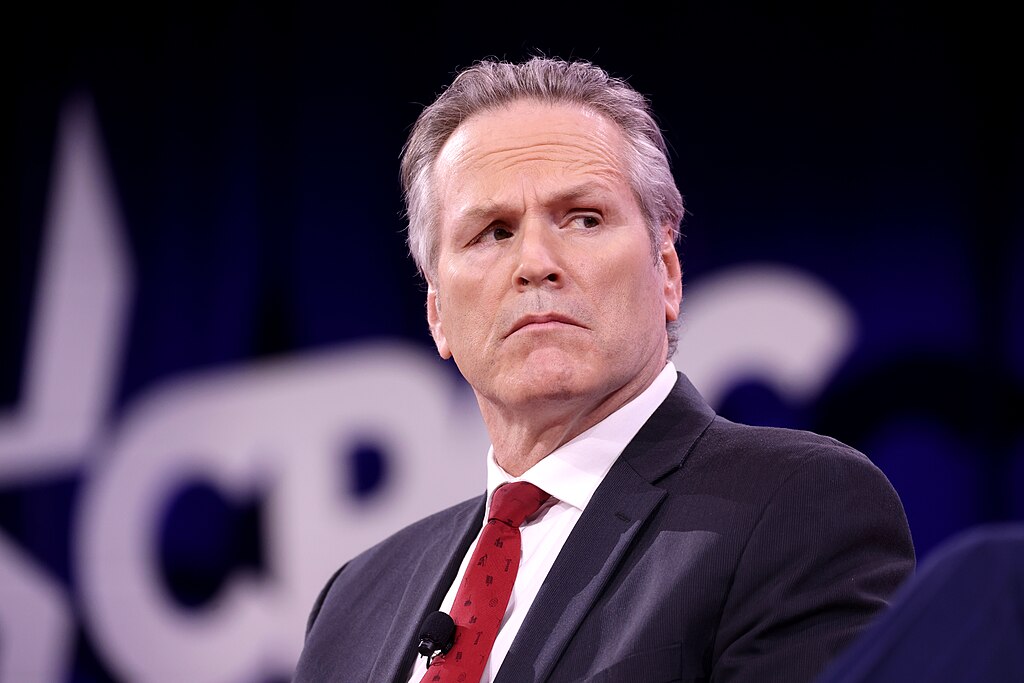
Alaska Governor Mike Dunleavy is leading a delegation to South Korea this week to revive a long-stalled $44 billion natural gas pipeline project. The group includes officials from the Glanfarne Group, a project partner, and the Alaska state gas agency, according to the American Chamber of Commerce in Korea (AMCHAM).
The project aims to transport natural gas from Alaska’s North Slope through a 1,300-kilometer pipeline to global markets. The initiative, once championed by President Donald Trump, has attracted interest from key U.S. allies in Asia, including South Korea, Japan, and Taiwan. These nations are seen as potential buyers of the liquefied natural gas (LNG) that would result from the project.
While in Seoul, the delegation is scheduled to meet with top South Korean officials, including the acting president and industry minister, as well as leaders from major companies such as SK Group, Hanwha, and POSCO International. Discussions will focus on expanding bilateral cooperation in energy, infrastructure, and advanced manufacturing.
AMCHAM stated that the meetings are intended to deepen U.S.-Korea ties and explore opportunities in the energy sector. South Korea has previously expressed willingness to engage in the LNG project.
The visit also comes amid ongoing trade tensions. Trump previously criticized South Korea for maintaining what he claimed were high tariffs on U.S. goods. However, Seoul countered, noting that under the U.S.-Korea Free Trade Agreement, the effective tariff rate on American imports is just 0.79%.
The Alaska delegation is expected to conclude its visit on Wednesday. The governor’s office has not commented on the trip’s schedule. The renewed focus on U.S.-Asia energy cooperation may signal new momentum for the Alaska LNG project.







