


 Trump Says ‘Freedom’ Is Coming to Cuba
  Macron Challenges Trump’s Gaza Peace Claims at UN
  US Invites Putin to Miami G20, Opening Door to Trump Summit
  Venezuela Promises Elections as Delcy Rodriguez Pledges Democratic Transition
  Zelenskiy Warns Russia Preparing Major Attack on Ukraine
  Russian Strikes Kill Eight Across Ukraine as Energy Sites Hit
  Canada Unveils Bill to Fast-Track Major Resource Projects
  Scott Bessent Eyed as Trump’s New AI Czar
  Europe Warns Russia Is Escalating Hybrid Attacks Across NATO
  Trump Says U.S.-Iran Peace Deal Near After UN Talks
  Gaza Faces Evacuation Crisis as War-Damaged Buildings Risk Collapse
  Sudan Rejects US Legitimacy Remarks, Defends Sovereignty
  Taiwan Vows to Advance US Arms Sales Ahead of Trump-Xi Meeting
  Marco Rubio to Meet Russia’s Lavrov in New York
  Trump to Press Xi on Release of US Nuclear Expert Held in China
  US Officials Split Over Response to Israeli West Bank Settlements
  Kremlin Says No Grounds Yet for Ukraine Peace Talks


 Add as a preferred source on Google
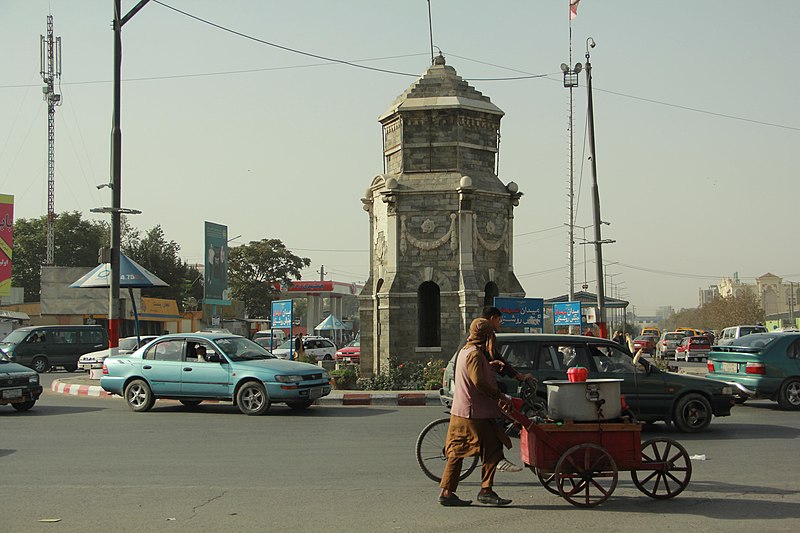
Afghanistan is facing a humanitarian and economic crisis that could potentially worsen the longer no aid is brought to the country. The nation may see some relief in the days and weeks to come as donors are set to allow the transfer of $280 million in aid to Afghanistan.
Reuters reports that donors, including the United States, are expected to support the transfer of $280 million in aid from the Afghan Reconstruction Trust Fund to two aid agencies to help Afghanistan through its worsening humanitarian and economic crisis. The funds would be diverted to the World Food Program and UNICEF from the frozen trust fund, according to people familiar with the matter. They added that no objections were made so far in allowing the transfer to proceed.
The money would be used to bring food security and health programs to Afghanistan. Any of the 31 donors to the ARTF could block the transfer by filing an objection. The US is the largest donor, and a spokesperson from the US State Department said that the US would not object to the transfer.
This follows a report by the UN warning that around 23 million Afghans are facing severe hunger, with around nine million of them at risk of experiencing famine, especially in the coming winter months.
The World Bank, which administers the ARTF, previously announced that it would be allowing the transfer of aid to Afghanistan earlier this month. The US and other donors to the ARTF cut off financial aid that Afghanistan became dependent on during the nearly 20 years of conflict. Over $9 billion of Afghanistan’s hard currency assets are currently frozen.
More countries such as Uzbekistan are now urging others to provide assistance to Afghanistan. The country’s government is keeping its infrastructure open in order for its international partners and allies to deliver aid to Afghanistan. The administration of Uzbek President Shavkat Mirziyovev has allowed UN agencies and humanitarian groups to use their airports, railways, territory, and the Uzbek-Afghan Friendship Bridge that marks the Afghan border.
“To prevent a humanitarian crisis there, not words but concrete steps are necessary to assist the Afghan people,” said Uzbekistan Foreign Minister Abdulaziz Kamilov in a statement last week.







