


 Peru Presidential Election Too Close to Call as Ipsos Quick Count Shows Statistical Tie
  Gaza Ceasefire Talks Resume as Israeli Strike Kills Seven Palestinians
  AMLO Accuses U.S. of Interference as Mexico-U.S. Tensions Escalate in 2026
  Trump Team Rejects BBC Financial Data Request in $10B Lawsuit
  Netanyahu Faces Growing Voter Backlash in Northern Israel Ahead of 2026 Election
  Canada-Indonesia Trade Pact Gains Momentum as Carney and Prabowo Discuss Economic Cooperation
  Israeli Airstrikes in Gaza Kill Nine Palestinians as Ceasefire Efforts Remain Stalled
  Armenia Election 2026: Early Results Show Ruling Civil Contract Party in Strong Lead
  Princess Anne’s Son Peter Phillips Marries Harriet Sperling at Royal Wedding in England
  France, Allies Prepare Coordinated Sanctions Over West Bank Settler Violence
  Australia Passes Major Tax Reform Bill to Boost Housing Affordability and Cut Taxes for Workers
  Trump Urges Restraint as Israel-Iran Tensions Threaten Fragile Peace Talks
  US-Iran Gulf Clash Raises Oil Market and Defense Stock Concerns
  US Sanctions Cuban President Miguel Diaz-Canel and Key Officials Amid Rising Tensions
  Russian Strikes Kill Five in Ukraine’s Kherson Region as Border Attacks Continue
  Colombia Election 2026: Ivan Cepeda Shifts Stance on Constitutional Reform to Court Centrist Voters
  US-Iran Conflict Escalates After Strait of Hormuz Drone Incident


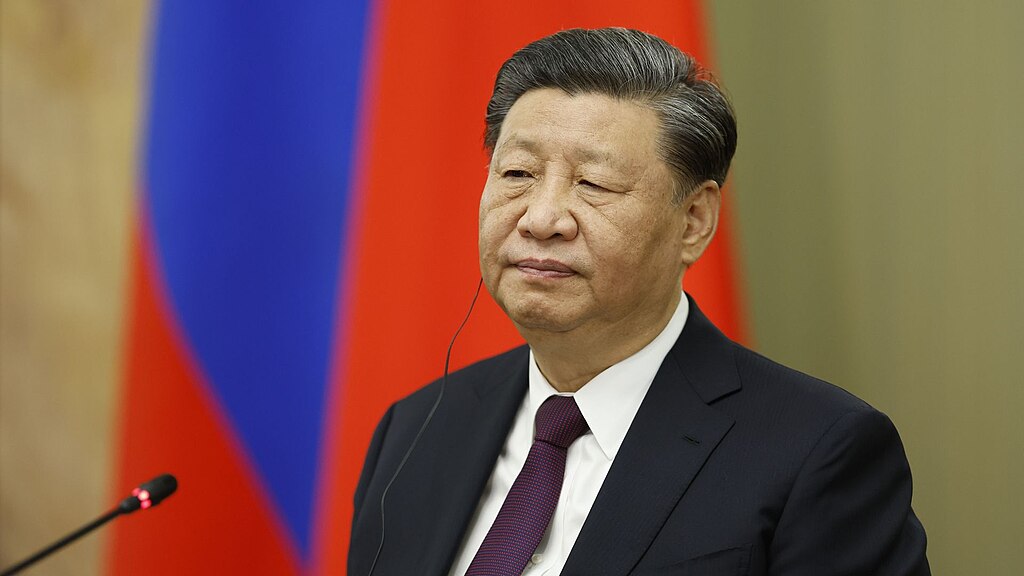
Chinese President Xi Jinping arrived in Pyongyang for a two-day state visit, marking his first trip to North Korea in seven years. The visit comes as North Korean leader Kim Jong Un appears increasingly confident, backed by stronger ties with Russia, continued nuclear weapons development, and limited interest in reengaging with the United States.
The summit highlights China’s efforts to reinforce its relationship with North Korea and reassert influence over its longtime neighbor. Relations between Beijing and Pyongyang have improved in recent years, with both countries restoring some rail and air connections and increasing diplomatic exchanges.
Xi’s visit differs significantly from his 2019 trip, which took place shortly after the collapse of nuclear negotiations between Kim and then-U.S. President Donald Trump. Since then, North Korea has deepened military and economic cooperation with Russia, including sending troops to support Moscow’s war effort in Ukraine. Pyongyang has also continued advancing its nuclear program despite international sanctions.
Ahead of Xi’s arrival, North Korea showcased its growing military capabilities by announcing plans for a 10,000-ton naval destroyer and reaffirming its status as a nuclear-armed nation. Analysts say these moves reflect Kim’s growing confidence and strategic leverage.
While political and security issues remain important, economic cooperation is expected to dominate discussions between Xi and Kim. North Korea is pursuing a five-year development strategy focused on housing construction, infrastructure improvements, and tourism expansion.
Tourism remains a key sector for North Korea’s economy. Before the COVID-19 pandemic, Chinese visitors accounted for the vast majority of foreign tourists. As border restrictions continue to ease, Pyongyang hopes to revive tourism as a valuable source of foreign currency.
Despite closer cooperation, China continues to oppose North Korea’s nuclear ambitions publicly. However, experts believe Beijing is unlikely to exert significant pressure as long as Pyongyang avoids creating major regional instability. Meanwhile, Kim has made clear that expanding North Korea’s nuclear arsenal remains a top priority, signaling that denuclearization talks are unlikely to resume anytime soon.







