


 Warner Bros. Discovery Shares Rise as Newsom Pushes Settlement in $110 Billion Merger Fight
  White House: No Weaponized Drones Seized at FIFA World Cup Venues Despite 700 Recoveries
  North Korea Rejects U.S. Cyber Threat Claims, Slams Allied Warning
  US Signals More Joint Yen Intervention With Japan if Currency Volatility Continues
  US Supreme Court Lets $655.5 Million Judgment Against Palestinian Authorities Stand During Appeal
  Trump Says Iran Talks to Begin as Strait of Hormuz Deal Nears, Oil Prices Fall
  25 Democratic-Led States Sue Trump Administration Over New Global Tariffs
  Israel Strikes Gaza as Trump Ceasefire Push Faces Fresh Challenges
  Taiwan Says U.S. Military Cooperation Is Stronger Than Many Realize
  Israel Strikes Gaza Near Hospital as Uncertainty Grows Over Hamas Disarmament Deal
  Russian Border Drone Strike Kills Child in Belgorod, Injures Two Others
  China Defends Industrial Policy Ahead of Key U.S. and EU Trade Talks
  Spain Installs Floating Barrier as Ceuta Migrant Crossings Halt After Deadly Surge
  Trump Urges Exxon, Chevron to Cut Gas Prices After Record Oil Profits
  Former House Appropriations Chair Kay Granger Dies at 83
  Capital One Says AML Review Led to Closure of Trump Organization Accounts
  US Embassies Urge Americans to Leave Middle East as Iran Tensions Escalate


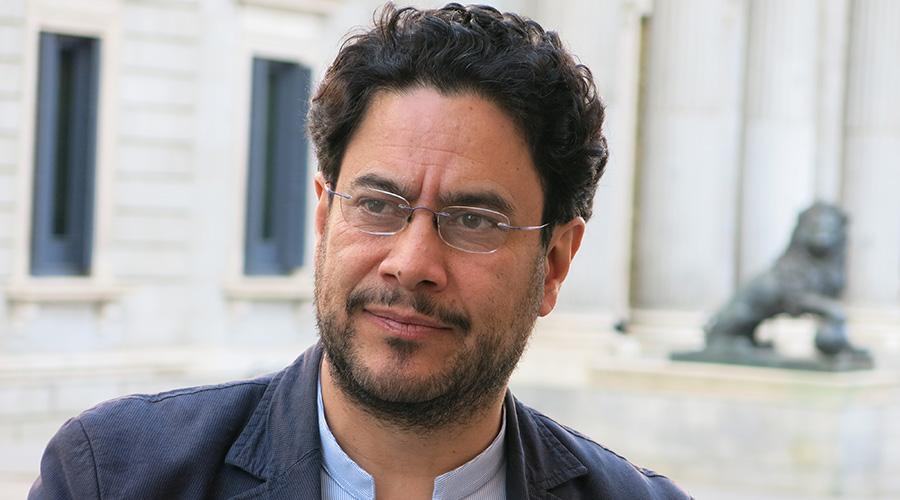
Colombia’s leftist presidential candidate Ivan Cepeda has softened his position on creating a constituent assembly ahead of the June 21 runoff election, signaling a strategic move to attract centrist voters and broaden support for his campaign.
In a video statement released on Thursday, Cepeda said he would prioritize building national consensus around social and economic reforms if elected president. His comments mark a notable shift from earlier support for a constituent assembly, a mechanism that would allow the drafting of a new constitution through a specially elected body.
The proposal has been strongly associated with current President Gustavo Petro, who has argued that constitutional changes could help advance major social reforms. However, the idea has faced significant opposition from centrist and conservative politicians who warn that it could weaken Colombia’s democratic institutions and system of checks and balances.
Cepeda, a 63-year-old senator and the son of a slain communist leader, finished second in the first round of Colombia’s presidential election. He will face right-wing candidate Abelardo De La Espriella in the June 21 runoff. Political analysts believe Cepeda must win over moderate voters to overcome De La Espriella, who is expected to gain support from other conservative candidates eliminated in the first round.
During his remarks, Cepeda announced that the committee established by Petro to explore a constituent assembly has ended its activities. He said the group would instead support efforts to create a broad national agreement focused on implementing social reforms through democratic consensus. Cepeda highlighted collaboration with human rights advocate and vice-presidential candidate Aida Quilcue as part of that effort.
The leftist candidate also criticized De La Espriella, accusing him of threatening social protections and programs for vulnerable populations. The conservative contender has denied those claims, recently pledging to maintain the more than 20% minimum wage increase introduced under Petro’s administration and preserve existing subsidies.
Political analyst Sergio Guzman of Colombia Risk Analysis said Cepeda’s change in tone appears driven more by electoral strategy than a genuine abandonment of constitutional reform, suggesting the candidate is seeking to improve his appeal among moderate voters ahead of a closely watched runoff election.







