


 Brazil Extends Fuel Subsidies and Tax Relief Measures Through July 2026 Amid Global Oil Market Volatility
  South Korea Weighs AI Profit Sharing as Samsung and SK Hynix Earnings Surge
  US Quantum Stocks Surge After $2 Billion Government Investment
  US Launches New Trade Investigation Into Vietnam Over Intellectual Property Concerns
  Indonesia Passes New Central Bank Law, Raising Investor Concerns Over Policy Independence
  Colombia Election 2026: Ivan Cepeda Shifts Stance on Constitutional Reform to Court Centrist Voters
  Taiwan Urges China to Acknowledge Tiananmen Square Crackdown on 37th Anniversary
  Australia Passes Major Tax Reform Bill to Boost Housing Affordability and Cut Taxes for Workers
  Ukraine Strikes Crimea Centers as Russia-Ukraine Conflict Intensifies
  US Sanctions M23 and FDLR Commanders Amid Ongoing Eastern Congo Conflict
  U.S. Proposes New Tariffs on Imports From 60 Economies Over Forced Labor Concerns
  Rubio Says Tiananmen Square Memories Endure Despite China’s Censorship
  UN Chief Proposes New U.N. Force Options for Lebanon After UNIFIL Mandate Ends
  US Military Strike in Eastern Pacific Kills Two in Anti-Drug Operation
  AMLO Accuses U.S. of Interference as Mexico-U.S. Tensions Escalate in 2026
  Israel-Lebanon Ceasefire Raises Hopes for Wider Middle East Peace Deal


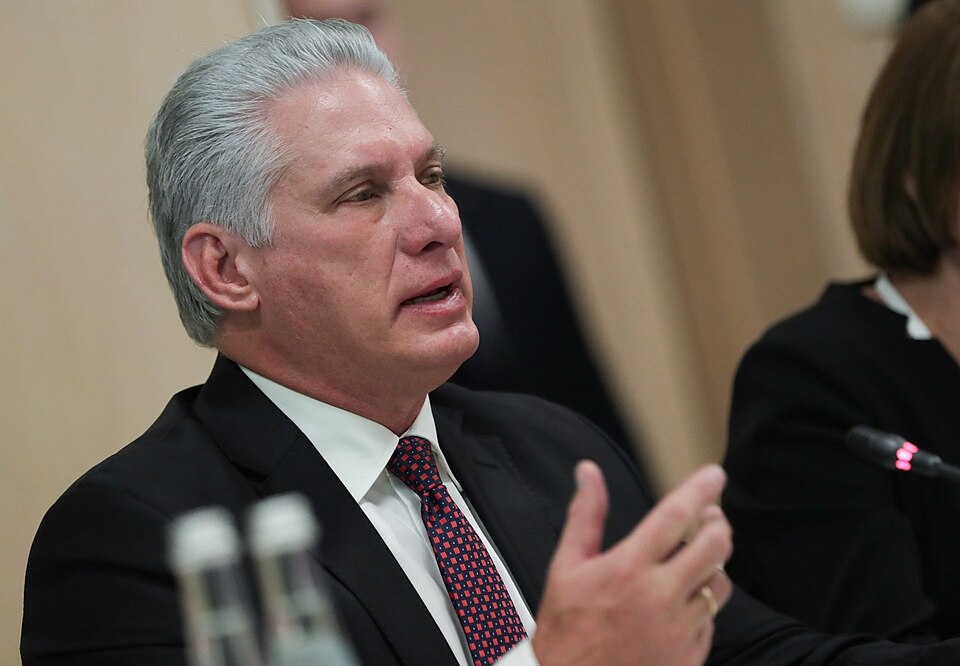
The United States has imposed new sanctions on Cuban President Miguel Diaz-Canel, along with several individuals and entities linked to Cuba’s government, according to information published by the U.S. Treasury Department. The move marks the latest escalation in Washington’s efforts to increase pressure on the island nation’s communist leadership.
The sanctions target Diaz-Canel, 66, who has served as Cuba’s president since 2018 after succeeding Raul Castro. Also included in the sanctions package are four additional individuals and five entities. Among those affected are Diaz-Canel’s wife, Lis Cuesta Peraza, two members of the Castro family, and Cuba’s Ministry of the Revolutionary Armed Forces.
Cuban authorities did not immediately comment on the U.S. action. However, Cuban Foreign Minister Bruno Rodriguez strongly criticized the sanctions, calling them “despicable” and describing them as another example of U.S. interference in Cuba’s internal affairs. In a statement shared on social media, Rodriguez argued that attempts to create conflict between the two countries would ultimately fail.
The announcement comes as U.S. President Donald Trump reiterated Washington’s position on Cuba, telling reporters that the United States wants the country to be “a nicely run country.” The latest measures highlight the ongoing tensions between the two governments and signal continued efforts by the U.S. administration to hold Cuban leaders accountable through economic and diplomatic pressure.
The sanctions follow a series of recent actions taken by Washington against Cuban officials. In the previous month, the United States sanctioned 11 Cuban officials, including the communications minister, several senior military leaders, and the country’s primary intelligence agency.
In a separate development, U.S. authorities charged former Cuban leader Raul Castro with murder over his alleged role in the 1996 incident in which Cuban military aircraft shot down planes operated by a Cuban exile organization.
The latest sanctions underscore the increasingly strained relationship between the United States and Cuba, with both sides maintaining sharply different views on governance, human rights, and regional security.







