


 Iran-Oman Talks Lay Groundwork for Hormuz Reopening
  Sweden Election Puts Far Right and Centre Left in Tight Race
  Bill Gates Warns Governments Are Unprepared for AI Disruption
  Trump Downplays Report Iran Obtained Chinese Satellite Images Before Jordan Attack
  Philippines Holds Historic Bangsamoro Election Amid Tight Security
  Banking scandal rocks Brazil’s politics and the country’s presidential election in October
  Takaichi-Backed Koja Wins Okinawa Governor Race
  North Korea Holds Missile and Artillery Drill
  Europe can’t achieve space sovereignty alone. Here’s why
  What is Zionism? The different meanings of a contested term
  Lula, Flavio Bolsonaro Deadlocked in Brazil Election Polls
  Judge Blocks Trump Rule Limiting Foreign Student Visas
  Kim Jong Un Pledges Deeper Russia Cooperation
  China’s Global Times Slams Anthropic CEO’s AI Slowdown Plan as ‘Cold War’ Strategy
  Houthi Red Sea Gains Strengthen Iran’s Leverage Over Gulf States
  Trump Backs United Ireland During Dublin Visit


 Add as a preferred source on Google
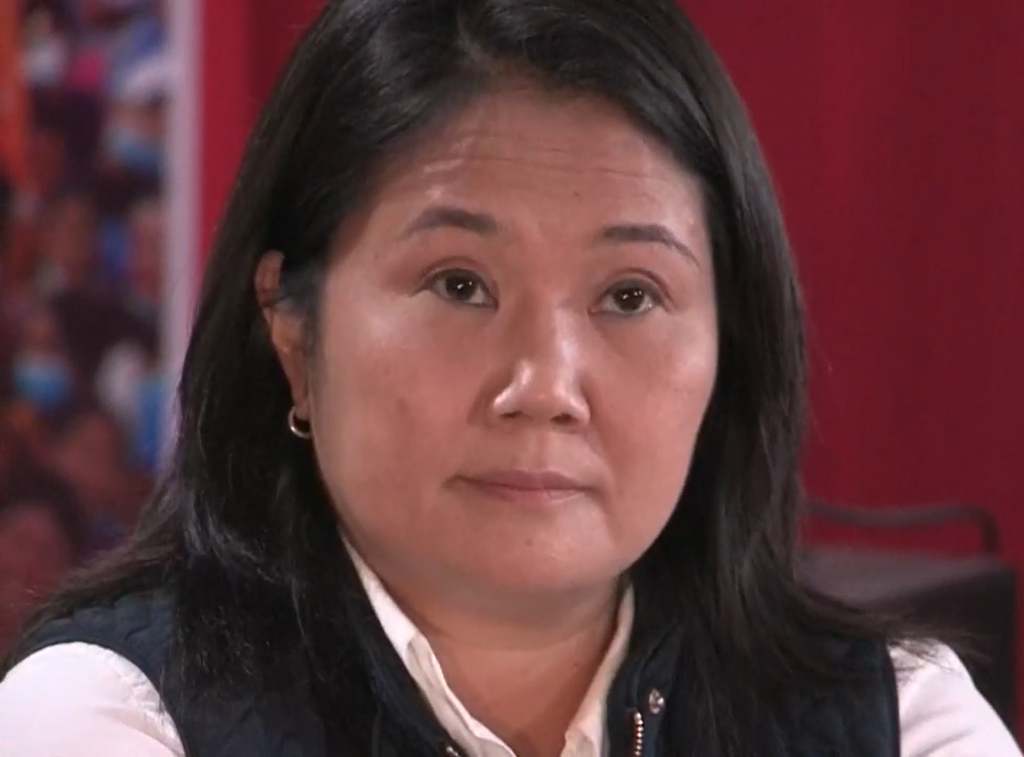
Peru’s presidential election remains on a knife-edge after an early Ipsos quick count showed Roberto Sanchez holding a narrow lead over Keiko Fujimori, highlighting one of the closest presidential races in the country’s recent history.
According to the Ipsos quick count, Sanchez secured 50.3% of the vote, while Fujimori received 49.7%. Despite the slight advantage for Sanchez, Ipsos representatives emphasized that the difference falls within the margin of error, making the result a statistical tie rather than a definitive outcome.
The Ipsos quick count is based on a representative sample of polling stations across Peru and has historically served as a reliable indicator of final election results. Although it is not the official vote tally, the methodology has accurately reflected outcomes in previous national elections.
Voting patterns revealed a deeply divided electorate. Fujimori performed strongly in Lima and along Peru’s coastal regions, dominating urban voting centers and securing significant support among city residents. In contrast, Sanchez swept rural areas and the Andean highlands, known as the sierra, demonstrating strong backing outside the country’s major metropolitan centers.
The razor-thin margin mirrors Peru’s 2021 presidential runoff election, when Keiko Fujimori narrowly lost to Pedro Castillo by roughly 50.1% to 49.9%. That contest triggered weeks of political uncertainty as Fujimori’s campaign challenged numerous ballots and filed claims seeking to invalidate votes.
At the time, Peru’s electoral authorities reviewed the objections and ultimately rejected nearly all of them, paving the way for Castillo’s official proclamation as president-elect. Sanchez later served as Peru’s minister of foreign trade and tourism under the Castillo administration, a role that increased his national profile ahead of the current election.
With official vote counting still underway, political observers are closely monitoring the results. The exceptionally tight race underscores Peru’s persistent political polarization and raises the possibility of another prolonged electoral process before a final winner is officially declared.







